Menopause is a natural stage of life that brings significant hormonal changes. As estrogen levels decline, many women experience symptoms such as hot flashes, mood swings, weight gain, and sleep disturbances. Fortunately, making healthy dietary choices can help ease these symptoms and improve overall well-being. Understanding the best foods to eat during menopause can make this transition more manageable and support long-term health.
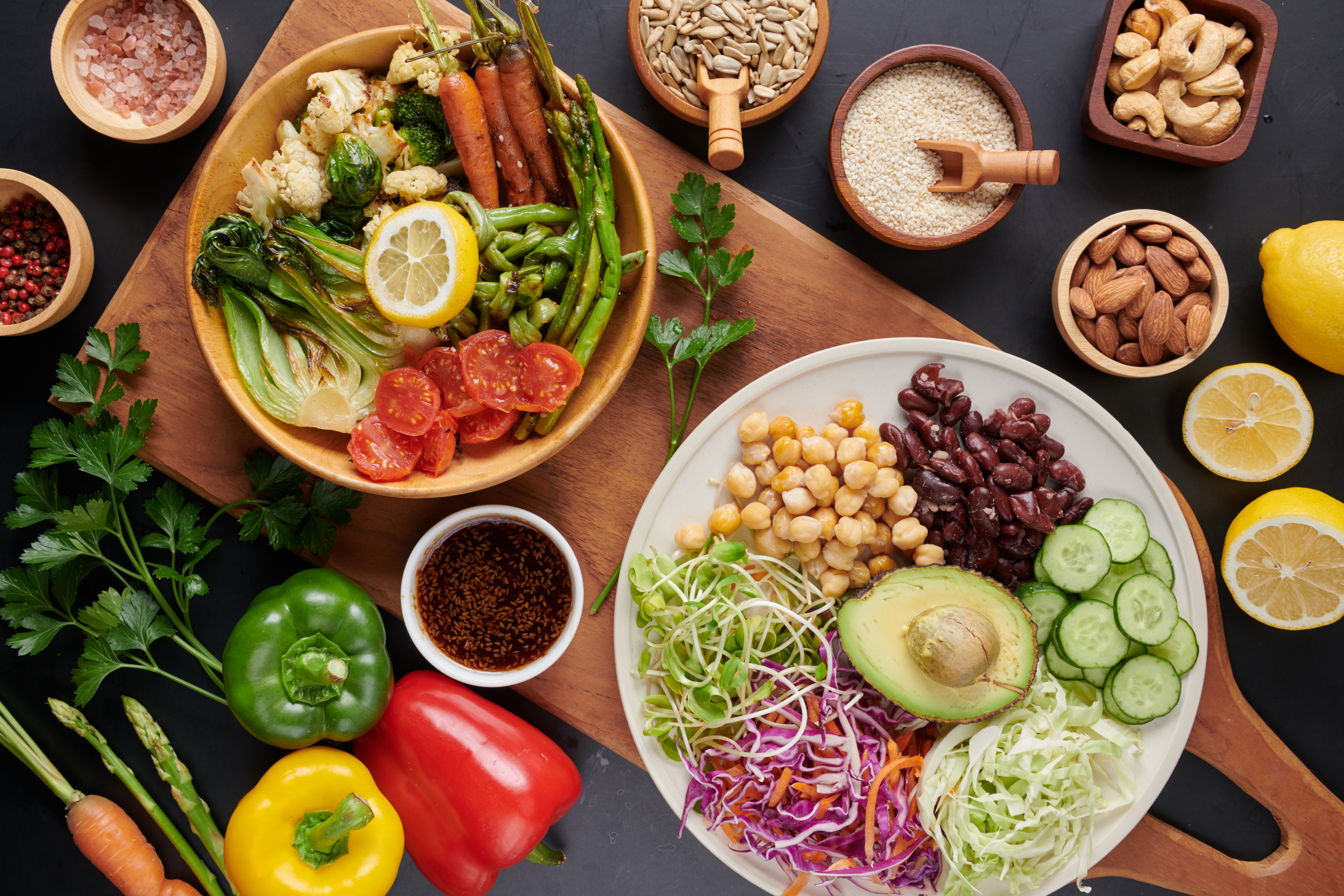
Why Nutrition Matters During Menopause
During menopause, the body undergoes several changes that can affect bone density, heart health, and metabolism. Therefore, eating nutrient-rich foods becomes even more important. A balanced diet can help maintain energy levels, reduce inflammation, and lower the risk of chronic diseases.
Moreover, certain foods contain vitamins and minerals that support hormonal health and help women feel their best during this stage of life.
Calcium-Rich Foods for Strong Bones
One of the biggest concerns during menopause is bone loss. Since estrogen plays a vital role in maintaining bone density, women are more susceptible to osteoporosis after menopause.
Foods rich in calcium include:
- Milk and yogurt
- Cheese
- Almonds
- Tofu
- Sardines
- Leafy green vegetables such as kale and spinach
In addition, consuming enough calcium can help maintain strong bones and reduce the risk of fractures.
Calcium-Rich Foods for Strong Bones
One of the biggest concerns during menopause is bone loss. Since estrogen plays a vital role in maintaining bone density, women are more susceptible to osteoporosis after menopause.
Foods rich in calcium include:
- Milk and yogurt
- Cheese
- Almonds
- Tofu
- Sardines
- Leafy green vegetables such as kale and spinach
In addition, consuming enough calcium can help maintain strong bones and reduce the risk of fractures.
Fatty Fish for Heart and Brain Health
Fatty fish are among the best foods to eat during menopause because they contain omega-3 fatty acids, which support heart and brain health.
Excellent choices include:
- Salmon
- Mackerel
- Sardines
- Tuna
Furthermore, omega-3 fatty acids may help reduce inflammation and improve mood, making them an excellent addition to a menopause-friendly diet.
Fruits and Vegetables for Overall Wellness
Fruits and vegetables provide essential vitamins, minerals, and antioxidants that support overall health.
Some particularly beneficial options include:
- Berries
- Oranges
- Apples
- Broccoli
- Carrots
- Bell peppers
Additionally, these foods are high in fiber, which promotes digestive health and helps manage weight.
Whole Grains for Energy and Heart Health
Whole grains contain fiber and important nutrients that support healthy digestion and heart function.
Healthy choices include:
- Oats
- Brown rice
- Quinoa
- Whole wheat bread
- Barley
As a result, incorporating whole grains into daily meals may help reduce the risk of heart disease and maintain stable energy levels.
Protein-Rich Foods to Preserve Muscle Mass
Muscle mass naturally declines with age. Therefore, consuming enough protein becomes increasingly important during menopause.
Good protein sources include:
- Eggs
- Chicken
- Fish
- Beans
- Lentils
- Greek yogurt
Moreover, protein helps maintain muscle strength and keeps you feeling full for longer periods.
Phytoestrogen Foods for Hormonal Support
Phytoestrogens are plant compounds that may mimic some of the effects of estrogen in the body.
Foods rich in phytoestrogens include:
- Soybeans
- Tofu
- Flaxseeds
- Sesame seeds
- Chickpeas
Although more research is needed, some studies suggest that these foods may help ease menopausal symptoms such as hot flashes.
Healthy Fats for Better Hormonal Balance
Healthy fats support brain function, heart health, and hormone production.
Nutritious sources include:
- Avocados
- Olive oil
- Nuts
- Seeds
Likewise, these foods may help reduce inflammation and support overall wellness.
Foods That Help Improve Sleep
Sleep disturbances are common during menopause. Fortunately, certain foods may promote better sleep quality.
Consider including:
- Bananas
- Almonds
- Oats
- Kiwi
- Warm milk
In particular, foods containing magnesium and tryptophan may help encourage restful sleep.
Foods to Limit During Menopause
While some foods support health during menopause, others may worsen symptoms.
It may be beneficial to limit:
- Sugary snacks and beverages
- Highly processed foods
- Excessive caffeine
- Alcohol
- High-sodium foods
Consequently, reducing these foods may help decrease hot flashes, improve sleep, and support weight management.
Foods to Limit During Menopause
While some foods support health during menopause, others may worsen symptoms.
It may be beneficial to limit:
- Sugary snacks and beverages
- Highly processed foods
- Excessive caffeine
- Alcohol
- High-sodium foods
Consequently, reducing these foods may help decrease hot flashes, improve sleep, and support weight management.
Tips for Building a Menopause-Friendly Diet
To create a healthy eating plan during menopause:
- Eat a variety of colorful fruits and vegetables.
- Choose whole grains over refined grains.
- Include lean protein in every meal.
- Drink plenty of water.
- Limit processed foods and added sugars.
- Practice portion control.
Furthermore, combining healthy eating habits with regular physical activity can significantly improve overall health and well-being.
Final Thoughts
Knowing the best foods to eat during menopause can make a meaningful difference in managing symptoms and protecting long-term health. A diet rich in calcium, protein, healthy fats, fruits, vegetables, and whole grains can support bone strength, heart health, and hormonal balance. Additionally, making mindful food choices may help improve energy levels, sleep quality, and overall quality of life during this important life stage.

Hello!!
I’m Dr. Malini Bhat MD (Ayu); an Ayurvedic Doctor and a health blogger. Follow me on social media to get daily health tips which you can easily adapt to a healthy lifestyle.