Dr.Malini Bhat

Forgotten Trees of Ayurveda: Ashoka

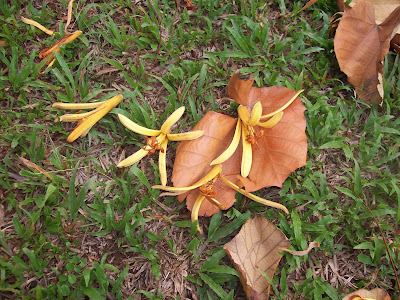
Forgotten Trees of Ayurveda Ashoka brings attention to one of India’s most respected traditional medicinal trees. Known botanically as Saraca asoca, Ashoka has a long history in Ayurveda and Indian culture. Its beautiful orange-red flowers make it visually striking, while its bark has earned an important place in traditional Ayurvedic formulations.

For centuries, Ayurvedic practitioners have associated Ashoka particularly with women’s health. Traditional preparations containing Ashoka have been used to support healthy menstrual cycles, reproductive wellness, and normal uterine function. However, Ashoka represents much more than a women’s wellness herb. Its traditional properties also connect it with digestion, skin health, and the body’s natural balance.

Today, many people recognize Ashoka mainly because of Ashoka-based Ayurvedic formulations. Nevertheless, the tree itself deserves attention as an important part of India’s traditional botanical heritage.

Read more

Pippali for Digestion, Ama & Agni in Ayurveda

In Ayurveda, most diseases begin with Mandagni (weak digestive fire) and the accumulation of Ama (undigested metabolic toxins). Therefore, herbs that strengthen Agni without causing irritation are considered extremely valuable. Pippali (Piper longum), or long pepper, is one such herb. Unlike harsh digestive stimulants, Pippali works gently yet deeply. As a result, it improves digestion, enhances nutrient absorption, and clears Ama …

Read more

Forgotten Trees of Ayurveda: Palasha

Forgotten Trees of Ayurveda Palasha introduces us to Palasha (Butea monosperma), a remarkable tree that holds an important place in traditional Ayurvedic practice. Known for its striking orange-red flowers, Palasha has served Ayurveda for centuries. In addition, traditional practitioners have used different parts of the tree, including its bark, flowers, seeds, leaves, and gum, for various purposes.

Today, Palasha often receives less attention than popular Ayurvedic herbs such as Ashwagandha, Tulsi, and Turmeric. However, this traditional tree deserves recognition because of its diverse uses and rich history. Therefore, exploring Palasha helps us understand how Ayurveda has traditionally worked with the natural world.

Read more

Forgotten Trees of Ayurveda: Khadira

Forgotten Trees of Ayurveda Khadira takes us back to one of Ayurveda’s most valued traditional medicinal trees. Known botanically as Acacia catechu, Khadira has held an important place in Ayurvedic practice for generations. Traditionally, practitioners have used its heartwood, bark, and other parts in various preparations.

Moreover, Ayurveda particularly values Khadira for its astringent qualities and its traditional connection with skin health, oral care, and Kapha-Pitta balance. Although many modern wellness discussions focus on popular herbs, traditional trees such as Khadira deserve attention too.

Read more

Pippali for Cough, Asthma & Respiratory Disorders in Ayurveda

In Ayurveda, respiratory disorders are primarily linked to Kapha imbalance and blockage in the Pranavaha Srotas(respiratory channels). Pippali (Piper longum), commonly known as long pepper, is one of the most trusted herbs for addressing these issues. Because of its penetrating and warming nature, it helps clear mucus, strengthen lung tissue, and improve breathing efficiency. Moreover, unlike many sharp spices, …

Read more

Forgotten Trees of Ayurveda: Arjuna

Arjuna (Terminalia arjuna) stands as one of Ayurveda’s most respected medicinal trees. For centuries, Ayurvedic practitioners have valued its bark, particularly in traditional formulations that support heart health. Although modern wellness trends often focus on newly discovered herbs, Arjuna remains a remarkable example of an ancient Ayurvedic tree with a long history of traditional use.

Moreover, Ayurveda associates Arjuna with strength, stability, and support for the cardiovascular system. Traditionally, practitioners use its bark in various preparations, especially when they want to support healthy circulation and cardiac function.

Read more