Vitamins

Nutrients That Affect Mood: Essential Vitamins and Minerals for Better Mental Well-Being

Have you ever noticed that your mood changes depending on what you eat? While stress, sleep, and lifestyle certainly influence emotional health, your diet also plays a significant role. In fact, researchers continue to discover how nutrients that affect mood can support brain function, emotional balance, and mental resilience.

Your brain requires a steady supply of vitamins, minerals, and healthy fats to produce neurotransmitters such as serotonin, dopamine, and GABA. These chemical messengers help regulate happiness, motivation, relaxation, and overall emotional stability. Consequently, nutritional deficiencies may contribute to irritability, fatigue, anxiety, and even symptoms of depression.

Fortunately, adding nutrient-rich foods to your daily meals can positively impact both your physical and mental health. In this article, we’ll explore the most important nutrients that affect mood, explain how they work, and highlight the best food sources to include in your diet.

Read more

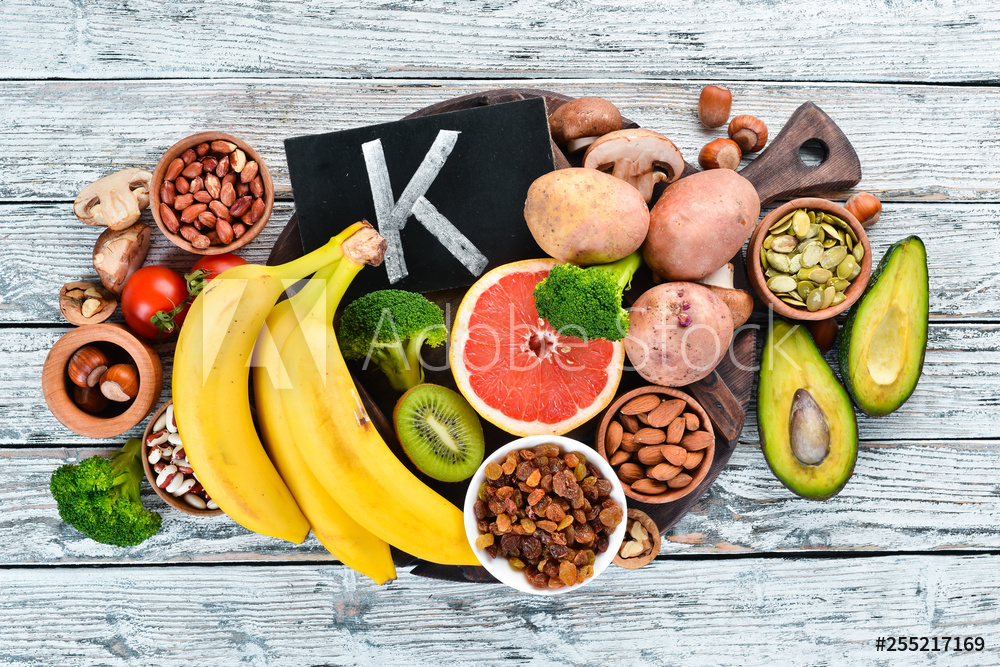
Vitamin K: Benefits, sources

Vitamin K is an essential fat-soluble vitamin that plays an important role in bone and heart health. It is one of the main vitamins involved in bone mineralization and blood clotting, but also helps to maintain brain function, a healthy metabolism, and to protect against cancer.

Read more

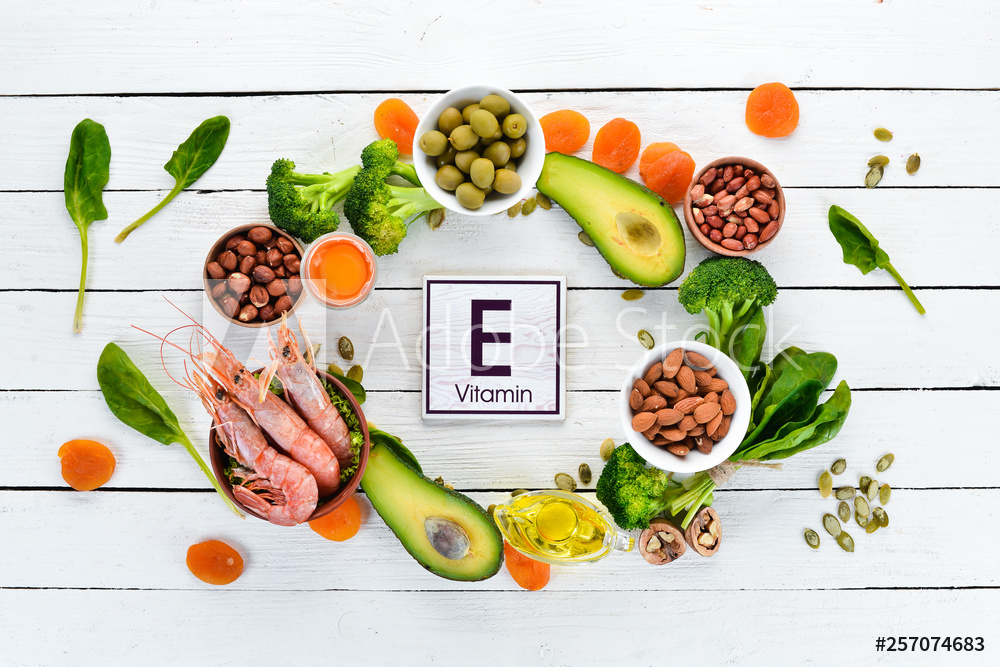
Vitamin E: Benefits, Sources

Vitamin E is a wonder drug! It can treat a range of problems of the heart and blood including blocked arteries, high blood pressure, hardened arteries in the leg, varicose veins, diabetes and related complications, and nerve including Alzheimer’s diseases and dementia. Vitamin E is also beneficial for the eyes, safety of the fetus in the womb, women’s health, and impotence in men.

Read more

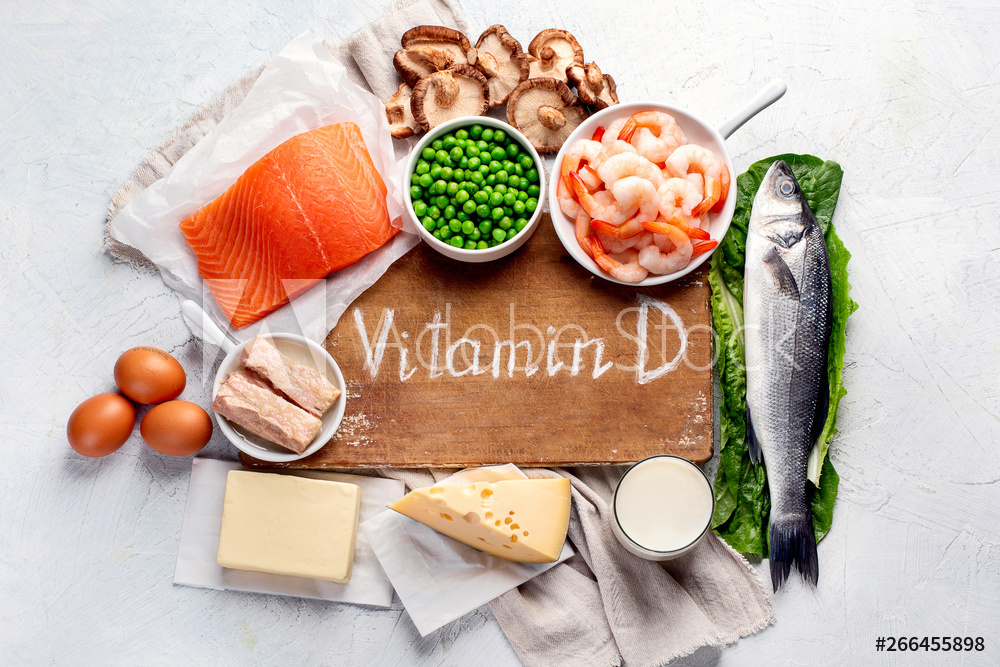
Vitamin D: Benefits and Sources

We have all learnt our A, B, C, Ds at school. These days another set of A, B, C, Ds are all the rage that are also edible! These are none other than the vitamin A, B, C, D, etc. Vitamins have umpteen benefits and we will be better off knowing a little more about them. Let’s take a look at Vitamin D benefits and how we can incorporate it into our daily routine.

Read more

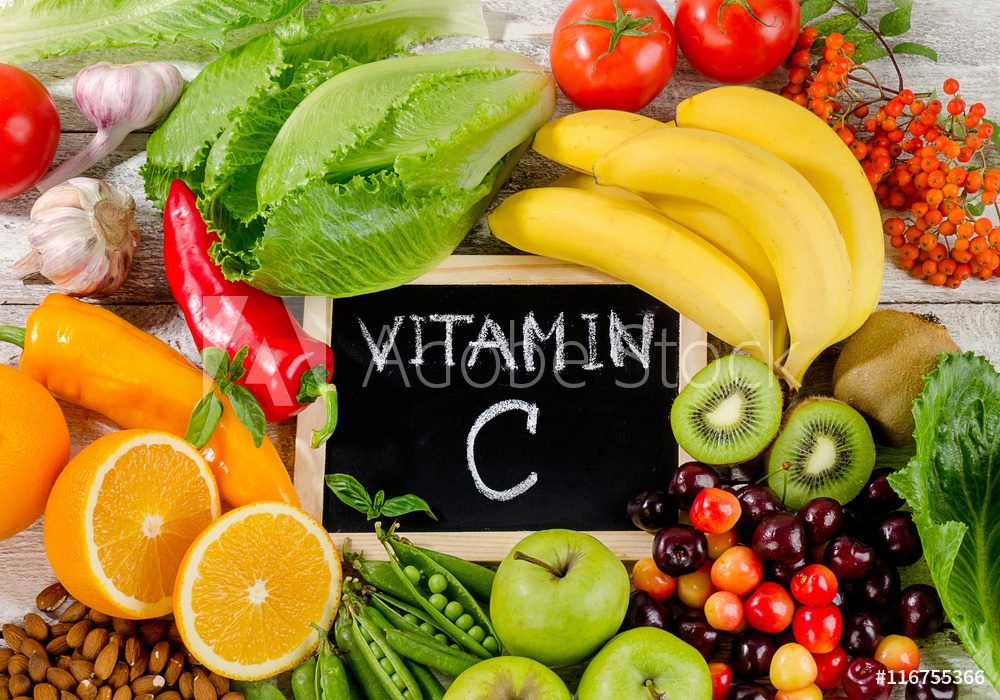
Vitamin C (Ascorbic Acid): Benefits, Sources

Also known as L-ascorbic acid, vitamin C is a water-soluble vitamin that is naturally present in some foods and added to a few others. And unlike most animals, humans cannot synthesize this vitamin – which is why it is an indispensable dietary component.

Read more

Vitamin B12 (Cyanocobalamin): Benefits, Sources

Vitamin B12, also known as cyanocobalamin, is a water-soluble vitamin that is part of the B vitamin family. These vitamins help support adrenal function, maintain a healthy nervous system, are necessary for key metabolic processes, and are important to DNA synthesis.

Read more