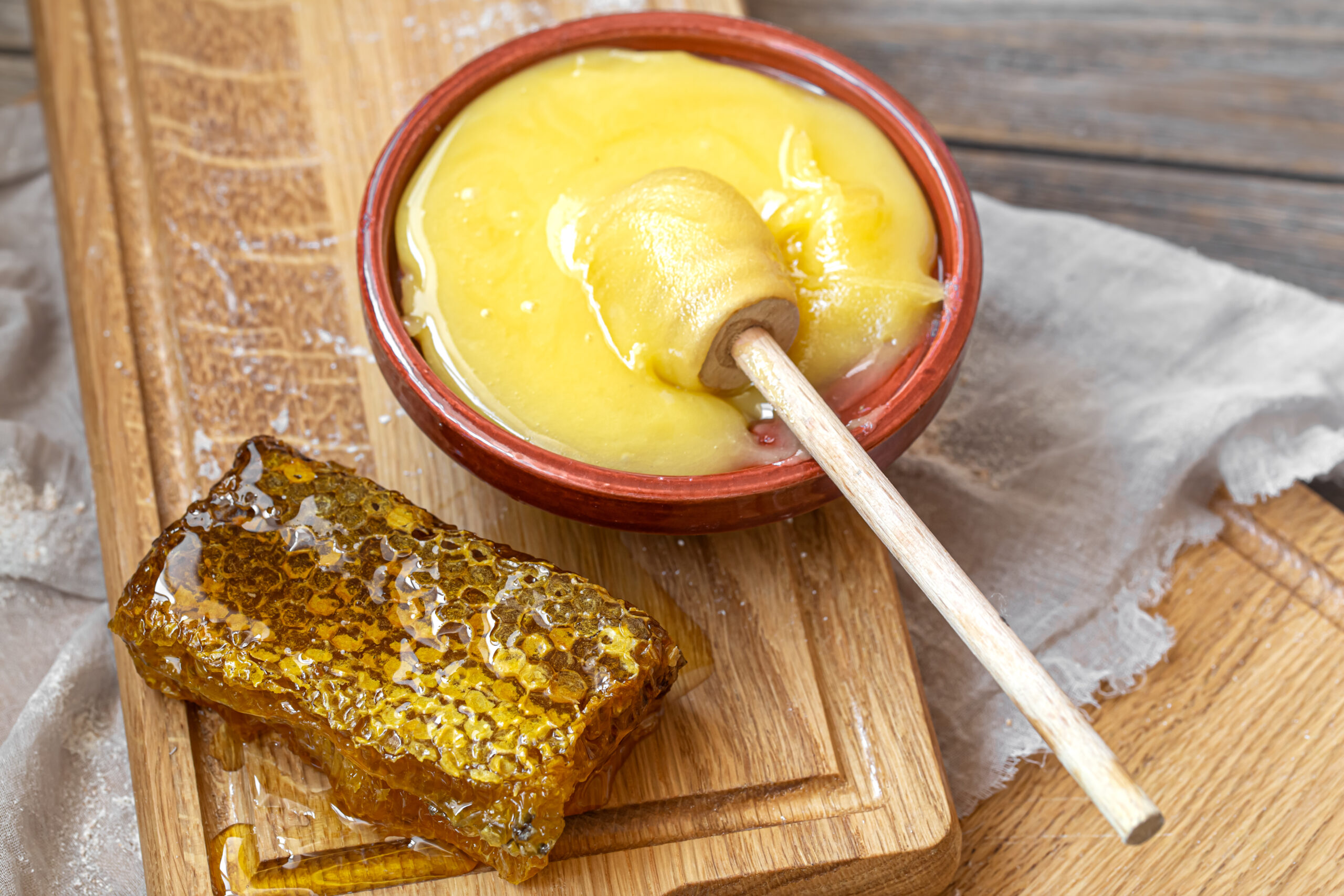
Kantakari Avaleha is a classical polyherbal Ayurvedic formulation prepared in a semi-solid base. It clinicians commonly use it to support the management of cough, asthma, bronchitis, and recurrent respiratory tract infections. Because respiratory disorders in Ayurveda often involve aggravated Kapha and Vata doshas, this formulation helps restore balance while supporting lung function. In addition, it promotes easier breathing and reduces excessive mucus production.
Vasakarishta
Vasakarishtam is a classical Ayurvedic liquid formulation that supports respiratory health. It contains Vasaka (Malabar nut) as its chief ingredient, a herb known for its strong mucolytic and anti-asthmatic properties. Because it helps liquefy and expel excess mucus, physicians commonly use it in many Kapha-dominant respiratory conditions. In addition, it helps manage inflammatory and bleeding disorders such as haemoptysis and Rakta Pitta.
People also know this formulation by several names, including Vasakasavam, Vasakasav, Vasakarishta, Vasarishta, Vasarista, and Vasakadyarishtam.
Agastya Haritaki
Agastya Haritaki is a classical polyherbal Ayurvedic Avaleha traditionally formulated by Rishi Agastya, one of the revered Sapta Rishis and an ancient Siddhar. He is also believed to be the author of Agastya Samhita. Because of its rejuvenating properties, this formulation is considered a powerful Rasayana that supports overall vitality, complexion, and strength.
Narayana Churna
Narayana Churna is a classical Ayurvedic formulation made from 26 herbal powders along with 5 types of salts and kshara (alkaline substances). Traditionally, it is used to support both the digestive and respiratory systems. In addition, this powerful combination helps balance aggravated Vata dosha, which is often responsible for abdominal discomfort and systemic disorders. Therefore, it is widely valued in Ayurvedic practice.
Gastroesophageal reflux disease (GERD)
Gastroesophageal reflux disease (GERD) occurs when stomach acid frequently flows back into the tube connecting your mouth and stomach (esophagus). This backflow, also known as acid reflux, can irritate the lining of your esophagus. While many people experience acid reflux occasionally, GERD is diagnosed when mild reflux happens at least twice a week, or moderate to severe reflux occurs at least once a week.
Periodontitis
Periodontitis, also known as gum disease, is a serious infection of the gums that damages the soft tissue. If left untreated, it can gradually destroy the bone that supports your teeth. As a result, teeth may loosen or even fall out. Therefore, early recognition and care are extremely important.