Have you ever noticed that your mood changes depending on what you eat? While stress, sleep, and lifestyle certainly influence emotional health, your diet also plays a significant role. In fact, researchers continue to discover how nutrients that affect mood can support brain function, emotional balance, and mental resilience.
Your brain requires a steady supply of vitamins, minerals, and healthy fats to produce neurotransmitters such as serotonin, dopamine, and GABA. These chemical messengers help regulate happiness, motivation, relaxation, and overall emotional stability. Consequently, nutritional deficiencies may contribute to irritability, fatigue, anxiety, and even symptoms of depression.
Fortunately, adding nutrient-rich foods to your daily meals can positively impact both your physical and mental health. In this article, we’ll explore the most important nutrients that affect mood, explain how they work, and highlight the best food sources to include in your diet.
Why Nutrition Matters for Mental Health
Although mental health is influenced by many factors, nutrition is often overlooked. Nevertheless, your brain consumes around 20% of your body’s energy, making it one of the most metabolically active organs.
Because of this, your brain constantly needs essential nutrients to:
- Produce neurotransmitters
- Reduce inflammation
- Support healthy brain cells
- Improve communication between neurons
- Protect against oxidative stress
- Maintain healthy hormone balance
Therefore, eating a balanced diet rich in nutrients that affect mood may help support emotional wellness over time.
1. Omega-3 Fatty Acids: Healthy Fats for a Healthy Mind
Among all the nutrients that affect mood, omega-3 fatty acids are perhaps the most researched.
These essential fats form an important part of brain cell membranes and support communication between neurons. Additionally, omega-3s help reduce inflammation, which has been linked to depression and other mood disorders.
Studies have found that people who consume higher amounts of omega-3 fatty acids often report better emotional well-being compared to those with lower intake.
Benefits of Omega-3 for Mood
- Supports serotonin and dopamine function
- Helps reduce inflammation in the brain
- Promotes healthy brain cell communication
- May lower symptoms of depression
- Supports memory and cognitive function
Best Food Sources
- Salmon
- Sardines
- Mackerel
- Tuna
- Chia seeds
- Flaxseeds
- Walnuts
- Hemp seeds
If you don’t regularly eat fatty fish, plant-based omega-3 sources can still contribute to your overall intake.
2. Magnesium: The Relaxation Mineral
Magnesium is another one of the key nutrients that affect mood because it supports hundreds of biochemical reactions throughout the body.
Importantly, magnesium helps regulate the nervous system and plays a role in managing the body’s stress response. Low magnesium levels have been associated with increased anxiety, irritability, and poor sleep quality.
Moreover, magnesium helps muscles relax and supports healthy nerve signaling, making it especially valuable during periods of chronic stress.
Benefits of Magnesium
- Promotes relaxation
- Supports healthy sleep
- Helps regulate stress hormones
- Supports nerve function
- May reduce feelings of anxiety
Best Food Sources
- Spinach
- Pumpkin seeds
- Almonds
- Cashews
- Black beans
- Avocados
- Dark chocolate
- Whole grains
Including magnesium-rich foods regularly may help support a calmer, more balanced mood.
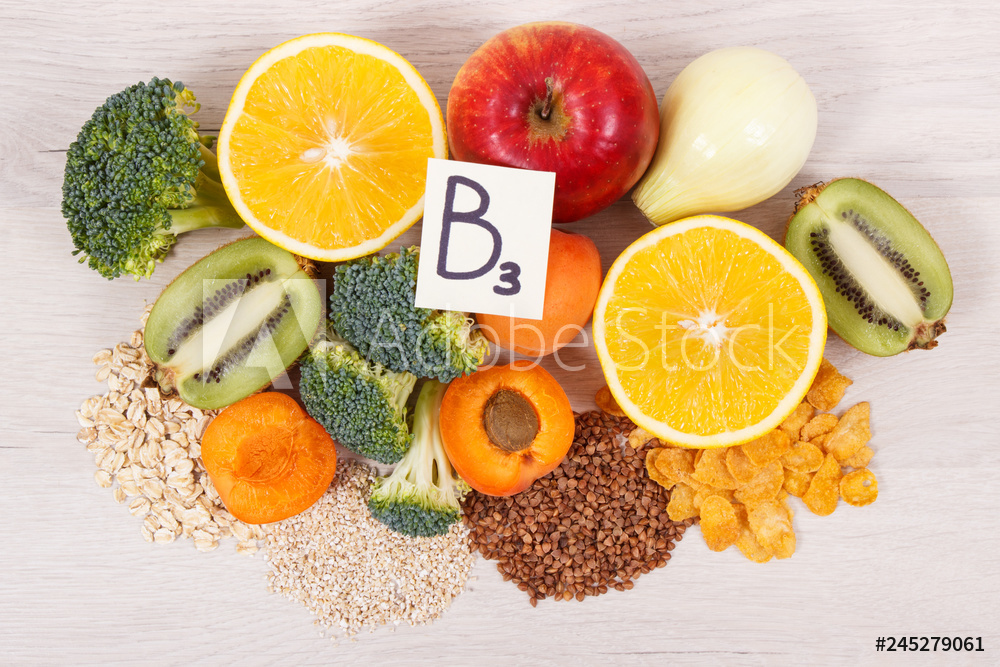
3. B Vitamins: Fuel for Your Brain
B vitamins are among the most essential nutrients that affect mood because they help convert food into energy while supporting healthy brain function.
Several B vitamins—including B6, B9 (folate), and B12—are involved in producing serotonin, dopamine, and other neurotransmitters responsible for emotional regulation.
Furthermore, deficiencies in these vitamins have been linked to fatigue, low mood, poor concentration, and cognitive decline.
Key B Vitamins for Mental Health
Vitamin B6
Vitamin B6 helps produce serotonin and GABA, both of which contribute to emotional balance.
Food sources include:
- Chicken
- Turkey
- Potatoes
- Bananas
- Chickpeas
Folate (Vitamin B9)
Folate supports healthy brain development and neurotransmitter production.
Food sources include:
- Spinach
- Lentils
- Asparagus
- Broccoli
- Brussels sprouts
Vitamin B12
Vitamin B12 supports nerve health and energy production.
Food sources include:
- Eggs
- Dairy products
- Fish
- Meat
- Fortified cereals
Because vitamin B12 is primarily found in animal foods, vegetarians and vegans may need fortified foods or supplements after consulting a healthcare professional.
4. Vitamin D: The Sunshine Vitamin
Vitamin D is widely recognized for bone health. However, it is also one of the important nutrients that affect mood.
Interestingly, vitamin D receptors are found throughout the brain, suggesting this vitamin plays a direct role in emotional regulation.
Low vitamin D levels have been associated with seasonal affective disorder (SAD), depression, and fatigue.
Although sunlight remains the primary source of vitamin D, dietary intake also contributes to maintaining healthy levels.
Benefits of Vitamin D
- Supports healthy brain function
- Helps regulate mood
- Supports immune health
- May reduce symptoms of seasonal depression
- Contributes to overall well-being
Best Food Sources
- Fatty fish
- Egg yolks
- Fortified milk
- Fortified plant-based milk
- Fortified cereals
- Mushrooms exposed to UV light
Whenever possible, safe sun exposure combined with a balanced diet can help maintain healthy vitamin D levels.
5. Zinc: A Small Mineral with Big Benefits
Although needed only in small amounts, zinc is one of the essential nutrients that affect mood.
Zinc supports communication between brain cells, immune function, and the regulation of inflammation. Research has also linked low zinc levels to symptoms of depression in some individuals.
Additionally, zinc plays a role in neuroplasticity—the brain’s ability to adapt and form new connections.
Benefits of Zinc
- Supports healthy brain signaling
- Helps regulate mood
- Supports immune function
- Promotes cognitive health
- Helps reduce oxidative stress
Best Food Sources
- Oysters
- Beef
- Pumpkin seeds
- Chickpeas
- Lentils
- Cashews
- Yogurt
- Eggs
Adding zinc-rich foods to your meals can contribute to both physical and emotional health.
Other Nutrients That Affect Mood
Although omega-3, magnesium, B vitamins, vitamin D, and zinc are among the most studied, several additional nutrients also support mental wellness.
These include:
- Iron
- Selenium
- Vitamin C
- Vitamin E
- Protein (for amino acids needed to make neurotransmitters)
Therefore, focusing on an overall nutrient-dense eating pattern is often more beneficial than relying on a single nutrient alone.
Lifestyle Habits That Enhance Mood Naturally
Even though nutrients that affect mood are important, nutrition works best alongside healthy lifestyle habits.
For optimal emotional well-being, consider the following:
- Eat balanced meals regularly.
- Stay hydrated throughout the day.
- Exercise most days of the week.
- Prioritize quality sleep.
- Spend time outdoors.
- Manage stress through mindfulness or meditation.
- Maintain strong social connections.
- Limit excessive alcohol and ultra-processed foods.
Together, these habits create a strong foundation for long-term mental wellness.
Can Supplements Help?
Sometimes, supplements may be appropriate, especially if laboratory tests confirm a deficiency. However, supplements should not replace a healthy diet.
For example:
- Omega-3 supplements may benefit individuals who rarely consume fish.
- Vitamin D supplements may be recommended for those with low blood levels.
- Magnesium supplements can be helpful in certain cases.
- B-complex vitamins may be appropriate for individuals with documented deficiencies.
Because excessive supplementation can cause side effects or interact with medications, it is always advisable to consult a healthcare provider before starting any new supplement regimen.
Frequently Asked Questions
What are the most important nutrients that affect mood?
The most researched nutrients that affect mood include omega-3 fatty acids, magnesium, B vitamins, vitamin D, and zinc. Together, these nutrients support neurotransmitter production, brain health, and emotional balance.
Can food improve mood?
Yes. A balanced diet rich in whole foods provides essential nutrients that support healthy brain function. While food is not a treatment for mental health conditions, nutritious eating can positively contribute to emotional well-being.
Which vitamin deficiency can cause low mood?
Deficiencies in vitamin D, vitamin B12, folate, and other B vitamins have been associated with low mood and fatigue. However, proper diagnosis should always be made by a healthcare professional.
Is magnesium good for anxiety?
Magnesium supports relaxation and healthy nervous system function. Some research suggests it may help reduce symptoms of stress and anxiety, particularly in individuals with low magnesium intake
Final Thoughts
Your brain depends on proper nutrition every single day. By consistently consuming nutrients that affect mood, you provide your body with the building blocks it needs to support healthy brain function, emotional resilience, and overall well-being.
Rather than focusing on a single “superfood,” aim for a varied, balanced diet that includes omega-3-rich fish, leafy greens, nuts, seeds, whole grains, legumes, eggs, and fortified foods. Over time, these dietary choices can contribute to improved energy, better concentration, and a more balanced mood.
Remember, nutrition is only one piece of the mental health puzzle. Combined with regular exercise, quality sleep, stress management, and meaningful social connections, eating foods rich in nutrients that affect mood can become a powerful part of a healthy lifestyle.

Hello!!
I’m Dr. Malini Bhat MD (Ayu); an Ayurvedic Doctor and a health blogger. Follow me on social media to get daily health tips which you can easily adapt to a healthy lifestyle.