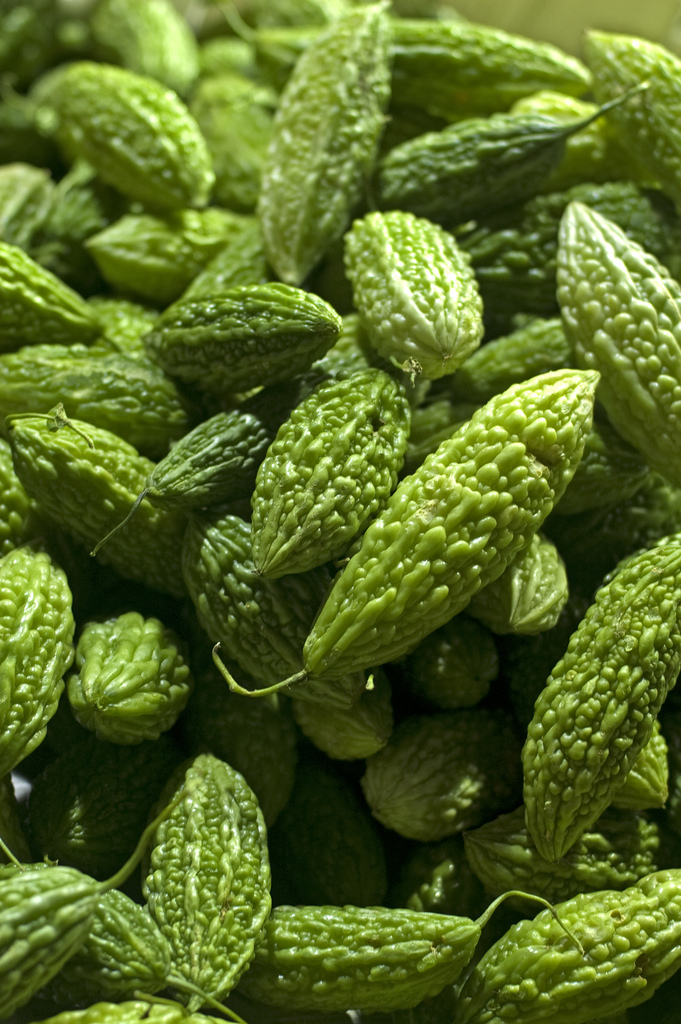
As soon as I hear the name bitter gourd, or even see it on my plate, my mouth automatically prepares for the bitterness. Before I know it, I have that weird expression on my face that is definitely not a pleasant sight!
However, bitter gourd deserves more appreciation than it usually gets. Many people associate it only with diabetes, but that is far from the whole story. Bitter gourd is a nutrient-rich vegetable that can be included in a balanced diet for its fibre, antioxidants and naturally bitter taste.
In Ayurveda, bitter foods have a special place because they are traditionally associated with qualities that can help support digestion and balance, particularly when used appropriately.
So, despite that unmistakable bitter taste, there are plenty of reasons to give this humble vegetable a chance.
Read more
Hello!!
I’m Dr. Malini Bhat MD (Ayu); an Ayurvedic Doctor and a health blogger. Follow me on social media to get daily health tips which you can easily adapt to a healthy lifestyle.