An essential oil dilution and safety guide is the most important starting point for anyone using essential oils. In fact, following a clear essential oil dilution and safety guide helps prevent skin irritation, sensitivity, and misuse while ensuring essential oils are used safely and effectively.
Although essential oils are natural, they are highly concentrated. Therefore, this essential oil dilution and safety guide explains correct dilution ratios, safety rules, and best practices for using essential oils safely in daily life. Whether you are a beginner or a regular user, understanding essential oil dilution and safety is essential.
➡️ If you’re new to essential oils, read this first: Essential Oils: Benefits, Uses & How to Use Them Safely
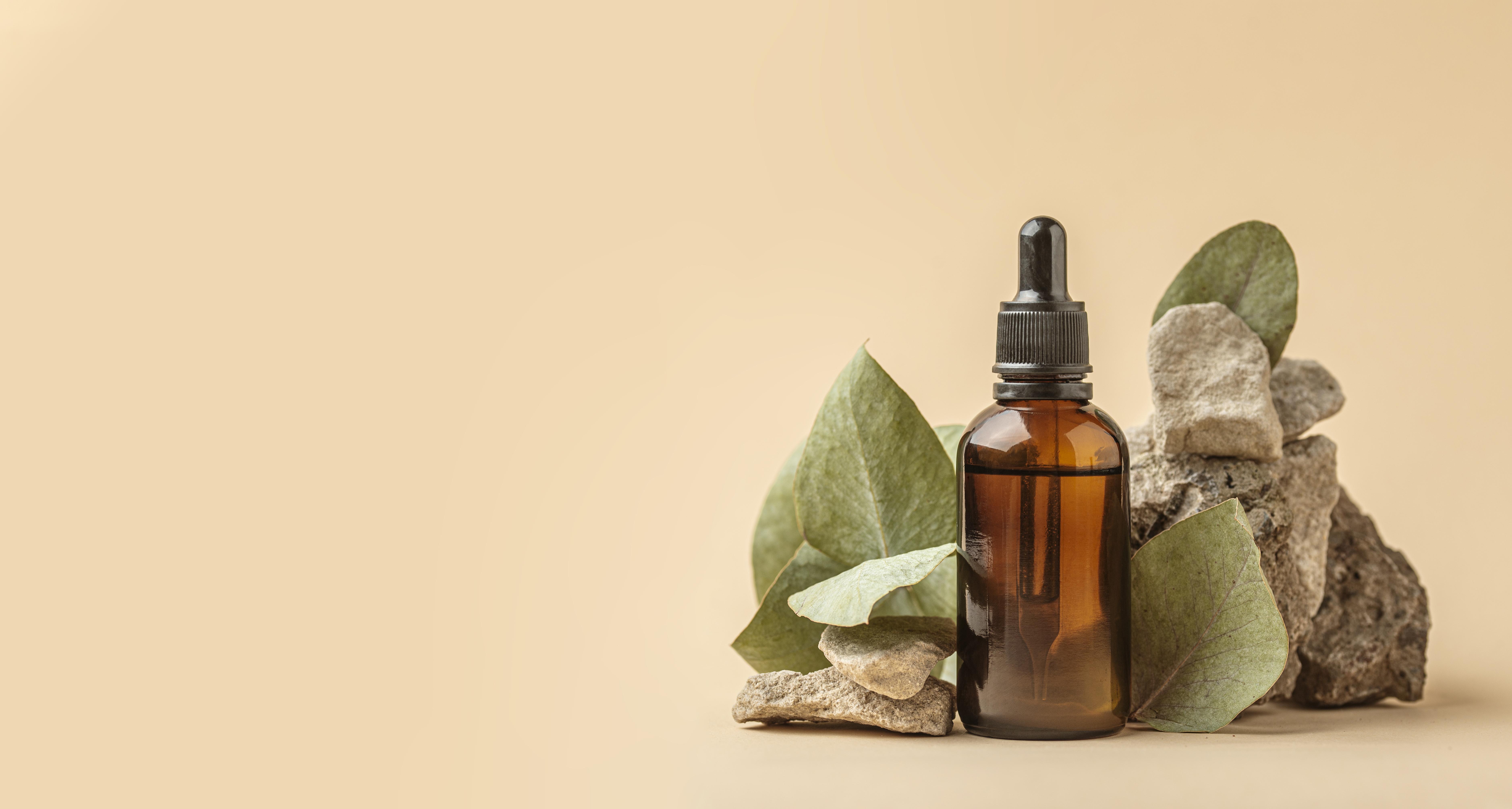
Why Dilution Is Important
Essential oils are powerful plant extracts. In fact, it can take kilograms of plant material to produce a small bottle of oil. Because of this potency, direct application without dilution may cause skin irritation, burns, or allergic reactions.
Proper dilution helps:
- Reduce skin sensitivity
- Improve absorption
- Make essential oils safer for long-term use
- Protect delicate skin areas
What Are Carrier Oils?
Carrier oils are natural, fatty oils used to dilute essential oils before topical application. Unlike essential oils, they do not evaporate and help “carry” the oil safely into the skin.
Common carrier oils include:
- Coconut oil
- Jojoba oil
- Sweet almond oil
- Sesame oil
- Olive oil
➡️ Related read: Best Carrier Oils & Their Uses (internal link)
Essential Oil Dilution Chart (Topical Use)
Proper dilution depends on age, skin sensitivity, and purpose.
Adults (Normal Skin)
- 1% dilution: 6 drops essential oil per 30 ml carrier oil
- 2% dilution: 12 drops essential oil per 30 ml carrier oil
Sensitive Skin / Face
- 0.5–1% dilution recommended
Children (Above 6 Years)
- 0.25–0.5% dilution only
❌ Infants & Toddlers
- Avoid essential oils unless advised by a qualified professional
Safe Ways to Use Essential Oils
There are multiple ways to enjoy essential oils safely. However, each method has its own guidelines.
1️⃣ Aromatherapy (Diffusers)
Using a diffuser is one of the safest methods.
- Use 4–6 drops per session
- Diffuse for 30–60 minutes
- Ensure proper ventilation
2️⃣ Topical Application
Topical use requires dilution with a carrier oil.
- Apply to pulse points, feet, or joints
- Avoid eyes and mucous membranes
- Wash hands after application
3️⃣ Bath & Steam Use
Although relaxing, these methods need extra caution.
- Use only 1–2 drops
- Always mix oils with a dispersant (milk, honey, or carrier oil)
- Avoid daily use
Essential Oil Safety Rules (Must Follow)
- Always dilute before skin application
- Perform a patch test
- Do not ingest essential oils without professional guidance
- Avoid eyes, ears, and broken skin
- Store away from children and pets
Essential Oils: Who Should Use Extra Caution
Certain groups require additional care.
- Pregnant or breastfeeding women
- Children and elderly individuals
- People with asthma, epilepsy, or allergies
- Those with sensitive or acne-prone skin
Common Essential Oil Safety Mistakes
Avoid these frequent errors:
- Applying oils neat (undiluted)
- Using too many oils at once
- Overusing citrus oils before sun exposure
- Assuming “natural” means “risk-free”
Essential Oil Safety in Ayurveda
In Ayurveda, moderation and individual constitution are emphasised. Essential oils can influence Prana (life force) and the nervous system, which is why mindful usage is recommended.
Dosha-based considerations:
- Vata: Use warming oils in low dilution
- Pitta: Avoid overheating oils
- Kapha: Use stimulating oils sparingly
Final Thoughts
Understanding essential oil dilution and safety is the foundation of effective and responsible use. When diluted correctly and used mindfully, essential oils can safely support wellness, relaxation, and daily self-care.
Medical Disclaimer
This content is for educational purposes only and does not replace medical advice. Consult a qualified professional before using essential oils, especially for children, pregnancy, or medical conditions.

Hello!!
I’m Dr. Malini Bhat MD (Ayu); an Ayurvedic Doctor and a health blogger. Follow me on social media to get daily health tips which you can easily adapt to a healthy lifestyle.