Choosing the best Ayurvedic herbs for stress and calmness can be a valuable part of a holistic wellness routine when combined with healthy lifestyle habits, quality sleep, regular exercise, and mindfulness.
Ayurveda, India’s traditional system of wellness that has been practiced for thousands of years, focuses on maintaining balance between the body, mind, and spirit. One of its most valued approaches involves using herbs that help the body adapt to stress while promoting relaxation and emotional well-being.
In this guide, we’ll explore the best Ayurvedic herbs for stress and calmness, their potential benefits, and simple ways to incorporate them into your daily wellness routine.
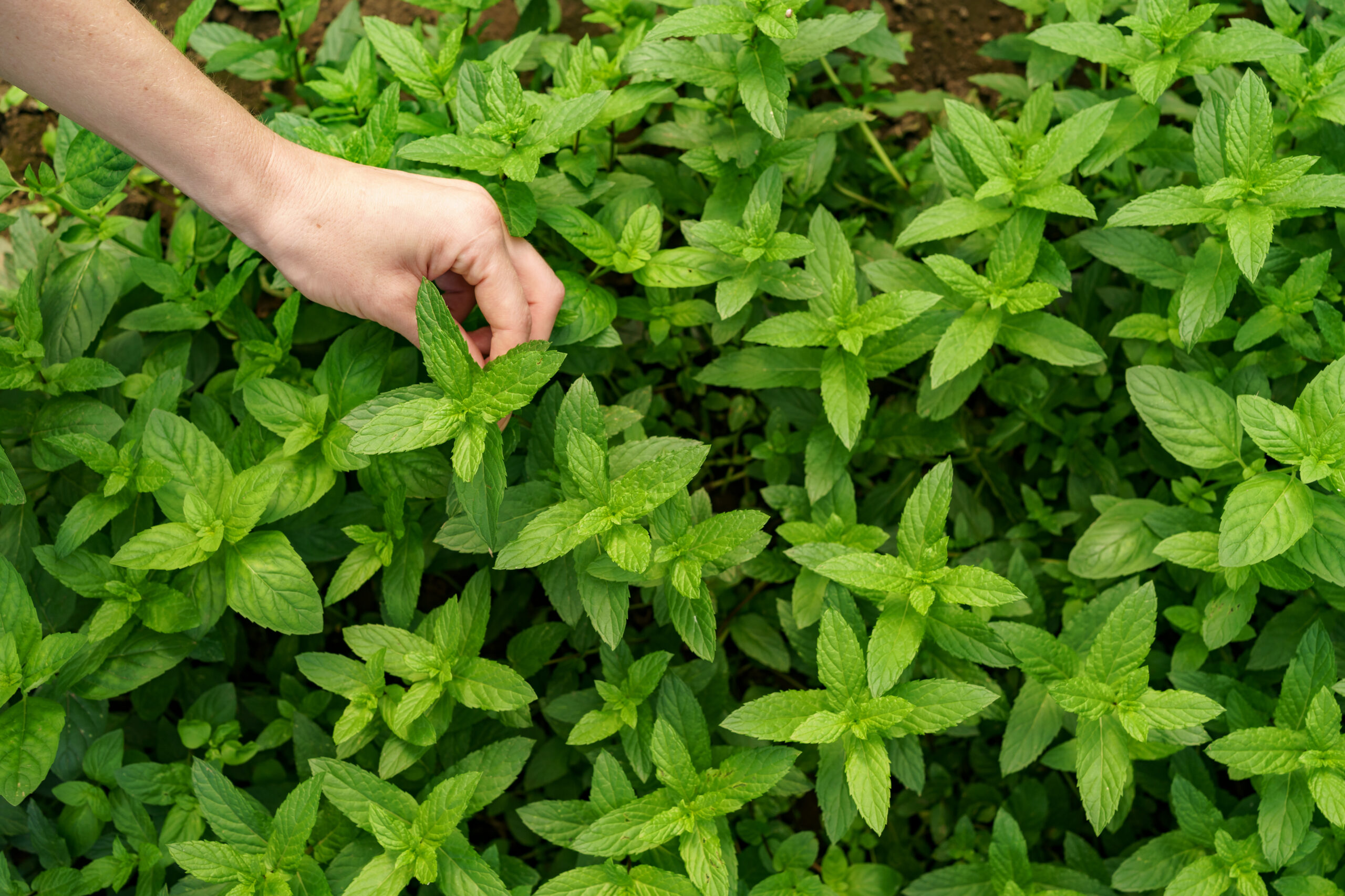
What Is Stress According to Ayurveda?
In Ayurveda, stress is often viewed as an imbalance in the body’s doshas—Vata, Pitta, and Kapha. Mental overactivity, excessive worry, poor sleep, irregular routines, and emotional strain may aggravate these natural energies, particularly Vata dosha.
Rather than only addressing symptoms, Ayurveda encourages restoring overall balance through nutrition, herbs, lifestyle practices, meditation, yoga, and adequate rest.
1. Ashwagandha (Withania somnifera)
Ashwagandha is one of the most well-known Ayurvedic herbs for managing stress. Classified as an adaptogen, it helps the body adapt to physical and emotional stressors while supporting overall resilience.
Potential Benefits
- May help reduce feelings of stress and occasional anxiety
- Supports healthy cortisol levels already within the normal range
- Promotes better sleep quality
- Supports mental focus and energy
- May reduce fatigue caused by chronic stress
How to Use
You can find Ashwagandha in capsules, powders, tablets, and herbal teas.
Many people take it once or twice daily, although the ideal dosage depends on the product and individual needs.
2. Brahmi (Bacopa monnieri)
Brahmi has long been valued in Ayurveda for supporting cognitive health and emotional balance. It is traditionally used to promote calmness while helping maintain mental clarity.
Potential Benefits
- Supports memory and concentration
- Encourages relaxation without excessive drowsiness
- Helps calm an overactive mind
- Supports healthy brain function
How to Use
Many brands offer Brahmi in capsules, powders, herbal tonics, and tea blends.
It is often combined with meditation or mindfulness practices for enhanced relaxation.
3. Tulsi (Holy Basil)
Known as the “Queen of Herbs,” Tulsi is one of Ayurveda’s most cherished plants. It is traditionally used to support resilience during periods of physical and emotional stress.
Potential Benefits
- Helps the body cope with everyday stress
- Supports immune health
- Promotes emotional balance
- Contains natural antioxidants
How to Use
Tulsi can be enjoyed as:
- Herbal tea
- Fresh leaves
- Capsules
- Liquid extracts
A warm cup of Tulsi tea can be a comforting addition to your morning or evening routine.
4. Jatamansi (Spikenard)
Jatamansi is a well-known Ayurvedic herb with calming properties. For centuries, Ayurvedic practitioners have used Jatamansi to promote relaxation, support restful sleep, and encourage emotional well-being.
Potential Benefits
- Encourages mental calmness
- Supports healthy sleep patterns
- Helps reduce nervous tension
- Promotes emotional balance
How to Use
Many Ayurvedic brands sell Jatamansi as powder, capsules, and herbal formulations.
5. Shankhpushpi
Shankhpushpi is another respected Ayurvedic herb that supports mental wellness. Traditionally, Ayurvedic practitioners use Shankhpushpi to improve concentration, encourage relaxation, and promote emotional balance.
Potential Benefits
- Supports cognitive performance
- Promotes calmness
- Helps manage occasional stress
- Encourages emotional well-being
How to Use
It is available in:
- Syrups
- Capsules
- Herbal powders
- Liquid extracts
6. Licorice (Yashtimadhu)
Licorice root is traditionally used in Ayurveda for its soothing properties. While it is more commonly associated with digestive and respiratory health, it is also valued for helping the body maintain resilience during periods of stress.
Potential Benefits
- Supports adrenal health
- Helps maintain energy levels
- Provides antioxidant compounds
- Promotes overall wellness
Note: Individuals with high blood pressure, kidney disease, or certain medical conditions should consult a healthcare professional before using licorice regularly.
7. Guduchi (Giloy)
Guduchi is widely appreciated in Ayurvedic practice for promoting vitality and supporting the body’s natural defenses.
Potential Benefits
- Supports immune function
- Helps maintain overall wellness
- Provides antioxidant support
- May contribute to improved resilience during stressful periods
You can purchase Guduchi as powder, juice, capsules, or tablets.
How Ayurvedic Herbs May Support Stress Relief
Many Ayurvedic herbs contain naturally occurring plant compounds that may help support the body’s normal response to stress. Some herbs are considered adaptogens, meaning they may help the body adapt to occasional physical and emotional challenges.
When combined with healthy lifestyle habits, these herbs may contribute to:
- Improved emotional balance
- Better sleep quality
- Enhanced mental clarity
- Increased resilience
- Reduced feelings of fatigue
It’s important to remember that herbs work best as part of a broader wellness approach rather than as a standalone solution.
Lifestyle Tips to Complement Ayurvedic Herbs
Herbs can be even more effective when paired with healthy daily habits. Consider incorporating these simple practices into your routine:
- Practice deep breathing for 5–10 minutes each day.
- Follow a consistent sleep schedule.
- Stay physically active with walking or yoga.
- Limit excessive caffeine and processed foods.
- Spend time outdoors whenever possible.
- Stay hydrated throughout the day.
- Practice meditation or mindfulness regularly.
- Maintain a balanced diet rich in fruits, vegetables, whole grains, and healthy fats.
Small, consistent changes often have a lasting impact on stress management.
Are Ayurvedic Herbs Safe?
Many Ayurvedic herbs have a long history of traditional use. However, natural products are not suitable for everyone.
Before adding herbal supplements to your routine:
- Consult your healthcare provider if you are pregnant or breastfeeding.
- Seek medical advice if you have chronic health conditions.
- Check for possible interactions with prescription medications.
- Purchase products from reputable manufacturers that follow quality testing standards.
- Follow the dosage instructions provided on the product label unless otherwise advised by a healthcare professional
Frequently Asked Questions
Which Ayurvedic herb is considered best for stress?
Ashwagandha is among the most researched Ayurvedic herbs for supporting the body’s response to stress. However, the best option varies depending on individual health needs and preferences.
Can I take Ayurvedic herbs every day?
Many Ayurvedic herbs are used daily in traditional practice. However, daily use should follow the product’s recommended directions and, when appropriate, guidance from a qualified healthcare professional.
How long do Ayurvedic herbs take to work?
Some people notice benefits within a few weeks, while others may require several weeks of consistent use. Results can vary depending on the herb, dosage, lifestyle, and individual factors.
Can I combine multiple Ayurvedic herbs?
Some Ayurvedic formulations combine several herbs. However, you should combine supplements thoughtfully to reduce the risk of unnecessary interactions or excessive intake. Additionally, consult a healthcare professional before taking multiple herbal supplements, especially if you have a medical condition or take prescription medications.
Final Thoughts
In conclusion, choosing the best Ayurvedic herbs for stress and calmness can support a holistic wellness routine. Moreover, combining herbs with balanced nutrition, regular exercise, quality sleep, and mindfulness may help you build greater resilience. However, herbs should complement—not replace—professional medical care. Therefore, if you experience persistent stress or anxiety, consult a qualified healthcare provider for personalized guidance.

Hello!!
I’m Dr. Malini Bhat MD (Ayu); an Ayurvedic Doctor and a health blogger. Follow me on social media to get daily health tips which you can easily adapt to a healthy lifestyle.