During menopause, estrogen levels naturally decline. As a result, women become more susceptible to several health concerns, including bone loss, heart disease, and weight gain. Furthermore, hormonal fluctuations can affect mood, sleep, and energy levels. Therefore, eating nutrient-dense foods becomes more important than ever. In fact, the right dietary choices can help manage symptoms while promoting long-term health and healthy aging.
A balanced diet, combined with regular exercise and stress management, can help women feel energized, maintain a healthy weight, and improve overall well-being during menopause and beyond.
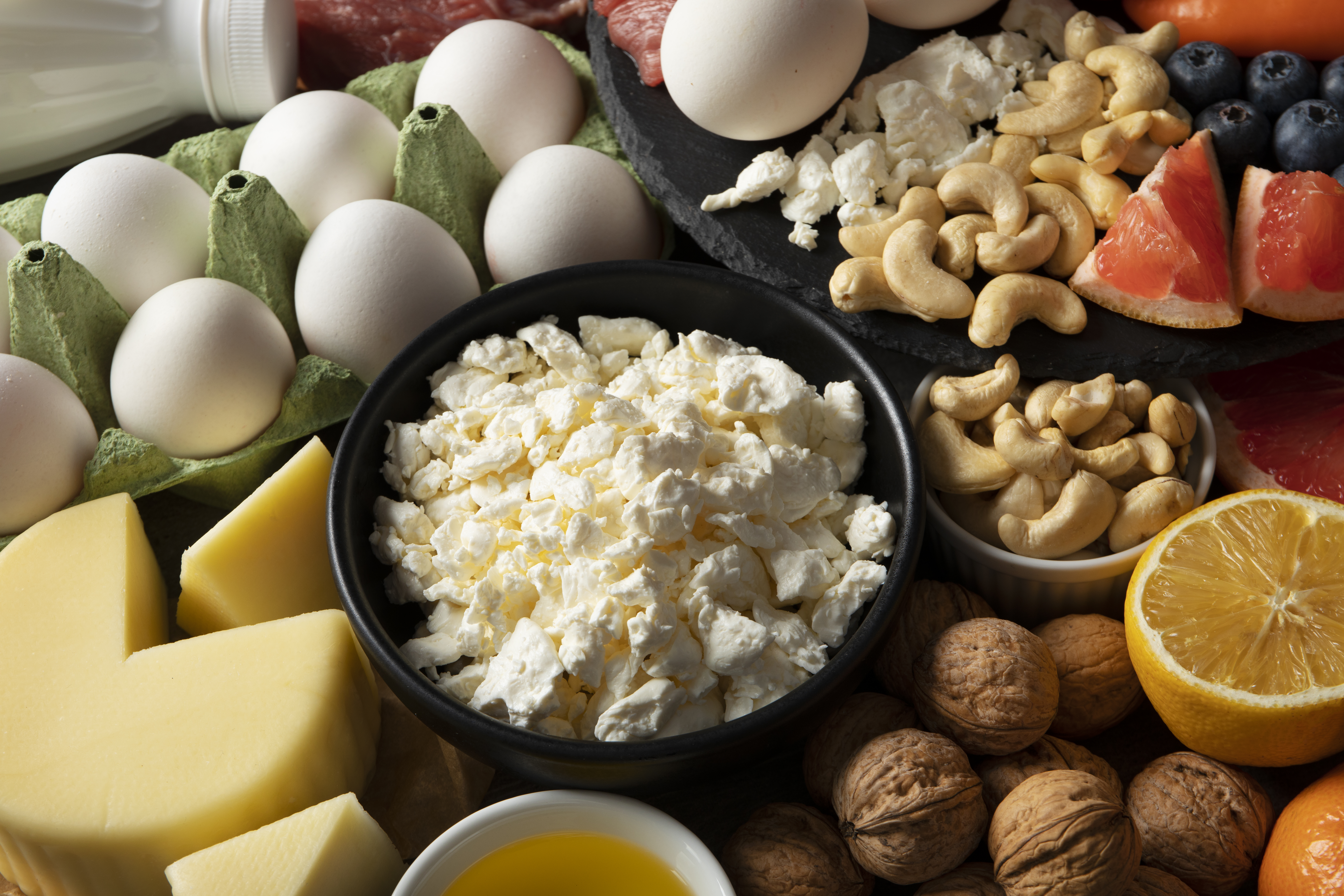
Why Nutrition Matters During Menopause
During menopause, estrogen levels decline. As a result, women become more susceptible to several health concerns, including:
- Bone loss and osteoporosis
- Heart disease
- Increased belly fat
- Insulin resistance
- Mood changes and anxiety
- Reduced muscle mass
Therefore, eating nutrient-dense foods becomes more important than ever. The right dietary choices can help manage symptoms while promoting long-term health.
Essential Nutrients for Menopause
1. Calcium for Strong Bones
Bone density decreases after menopause; therefore, calcium becomes essential for maintaining strong bones. In addition, adequate calcium intake can lower the risk of osteoporosis later in life.
Best sources:
- Milk and yogurt
- Cheese
- Almonds
- Sesame seeds
- Tofu
- Leafy green vegetables
Aim for approximately 1,200 mg of calcium daily.
2. Vitamin D for Calcium Absorption
Vitamin D helps the body absorb calcium and supports immune function. Moreover, it plays an important role in muscle strength and overall well-being.
Best sources:
- Fatty fish
- Egg yolks
- Fortified foods
- Moderate sunlight exposure
3. Protein to Preserve Muscle Mass
Women naturally lose muscle as they age. Consequently, adequate protein intake becomes crucial for maintaining strength and supporting a healthy metabolism.
Best sources:
- Lentils and beans
- Eggs
- Fish
- Chicken
- Greek yogurt
- Nuts and seeds
4. Omega-3 Fatty Acids for Heart and Brain Health
Omega-3 fats may reduce inflammation and improve mood. Additionally, they support heart health and may contribute to better cognitive function.
Best sources:
- Salmon
- Sardines
- Flaxseeds
- Chia seeds
- Walnuts
5. Fiber for Digestion and Weight Management
Fiber supports gut health and helps control blood sugar and appetite. Furthermore, it promotes satiety, which can assist with healthy weight management.
Best sources:
- Oats
- Fruits
- Vegetables
- Whole grains
- Legumes
The Best Foods to Eat During Menopause
Include More Phytoestrogen-Rich Foods
Phytoestrogens are plant compounds that mimic estrogen in the body and may help reduce menopausal symptoms.
Top choices include:
- Soybeans
- Tofu
- Tempeh
- Flaxseeds
- Chickpeas
- Sesame seeds
Eat Plenty of Fruits and Vegetables
Colorful fruits and vegetables provide antioxidants that fight inflammation and support healthy aging.
Choose:
- Berries
- Oranges
- Spinach
- Broccoli
- Carrots
- Bell peppers
Add Healthy Fats
Healthy fats help maintain hormone production and heart health.
Best options:
- Avocados
- Olive oil
- Nuts
- Seeds
- Fatty fish
Foods to Limit During Menopause
Although certain foods are beneficial, others can worsen symptoms. For example, highly processed foods often contain excessive sugar and unhealthy fats.
Reduce Added Sugar
High sugar intake may contribute to weight gain and fatigue. In addition, it can increase the risk of insulin resistance and mood fluctuations.
- Weight gain
- Fatigue
- Mood swings
- Insulin resistance
Limit Processed Foods
Processed foods often contain unhealthy fats and excessive sodium. As a result, they may contribute to inflammation and cardiovascular concerns.
Examples include:
- Packaged snacks
- Fast food
- Sugary cereals
- Processed meats
Cut Back on Caffeine
For some women, caffeine can increase hot flashes and anxiety. Moreover, it may interfere with sleep quality
Moderate Alcohol Intake
Excessive alcohol may increase the risk of osteoporosis and disrupt sleep. Therefore, moderation is essential during menopause.
Sample Menopause Diet Plan for Healthy Aging
Early Morning
- Warm water with lemon
- Soaked almonds and walnuts
Breakfast
- Oatmeal with flaxseeds and berries
- One boiled egg or Greek yogurt
Mid-Morning Snack
- Fresh fruit and herbal tea
Lunch
- Brown rice or quinoa
- Grilled fish or lentils
- Mixed vegetables
- Salad with olive oil dressing
Evening Snack
- Roasted chickpeas
- Green tea
Dinner
- Vegetable soup
- Stir-fried tofu or grilled chicken
- Steamed vegetables
Before Bed
- Warm turmeric milk or chamomile tea
Ayurvedic Herbs for Menopause Support
Ayurveda offers several herbs that may help ease menopausal symptoms naturally. However, it is advisable to consult a healthcare professional before starting any herbal supplement.
Ashwagandha
Ashwagandha is known for reducing stress and improving sleep quality. Additionally, it may help manage anxiety and fatigue.
Shatavari
Often called the “women’s rejuvenating herb,” Shatavari is traditionally used to support hormonal balance and ease hot flashes.
Turmeric
Turmeric contains curcumin, a powerful anti-inflammatory compound that supports joint and heart health.
Brahmi
Brahmi may help improve memory, concentration, and emotional well-being during menopause.
Fenugreek (Methi)
Fenugreek has been traditionally used to support hormonal health and may help reduce menopausal discomfort.
Triphala
Triphala supports digestion and promotes healthy bowel function, which can become sluggish during midlife.
Lifestyle Tips for Healthy Aging During Menopause
Besides eating well, certain lifestyle habits can make menopause easier.
Exercise Regularly
Regular exercise improves muscle strength and bone health. In addition, it supports mood and helps manage body weight.
Prioritize Sleep
Good sleep supports hormone balance and reduces fatigue.
Manage Stress
Meditation, deep breathing, and mindfulness practices can help reduce stress and improve emotional health.
Stay Hydrated
Drinking enough water may help reduce bloating and improve skin health.
Final Thoughts
Menopause is not merely an end to the reproductive years—it is also the beginning of a new phase of healthy aging. By following a nutrient-rich menopause diet plan, women can reduce symptoms, maintain strong bones, support heart health, and enjoy greater energy and vitality.
Furthermore, combining healthy eating with regular exercise, stress management, and beneficial Ayurvedic herbs can create a holistic approach to thriving during menopause. Small, consistent lifestyle changes today can lead to better health and well-being for many years to come.

Hello!!
I’m Dr. Malini Bhat MD (Ayu); an Ayurvedic Doctor and a health blogger. Follow me on social media to get daily health tips which you can easily adapt to a healthy lifestyle.