Ayurvedic Herbs

Curry Leaves Benefits in Ayurveda: A Forgotten Kitchen Herb

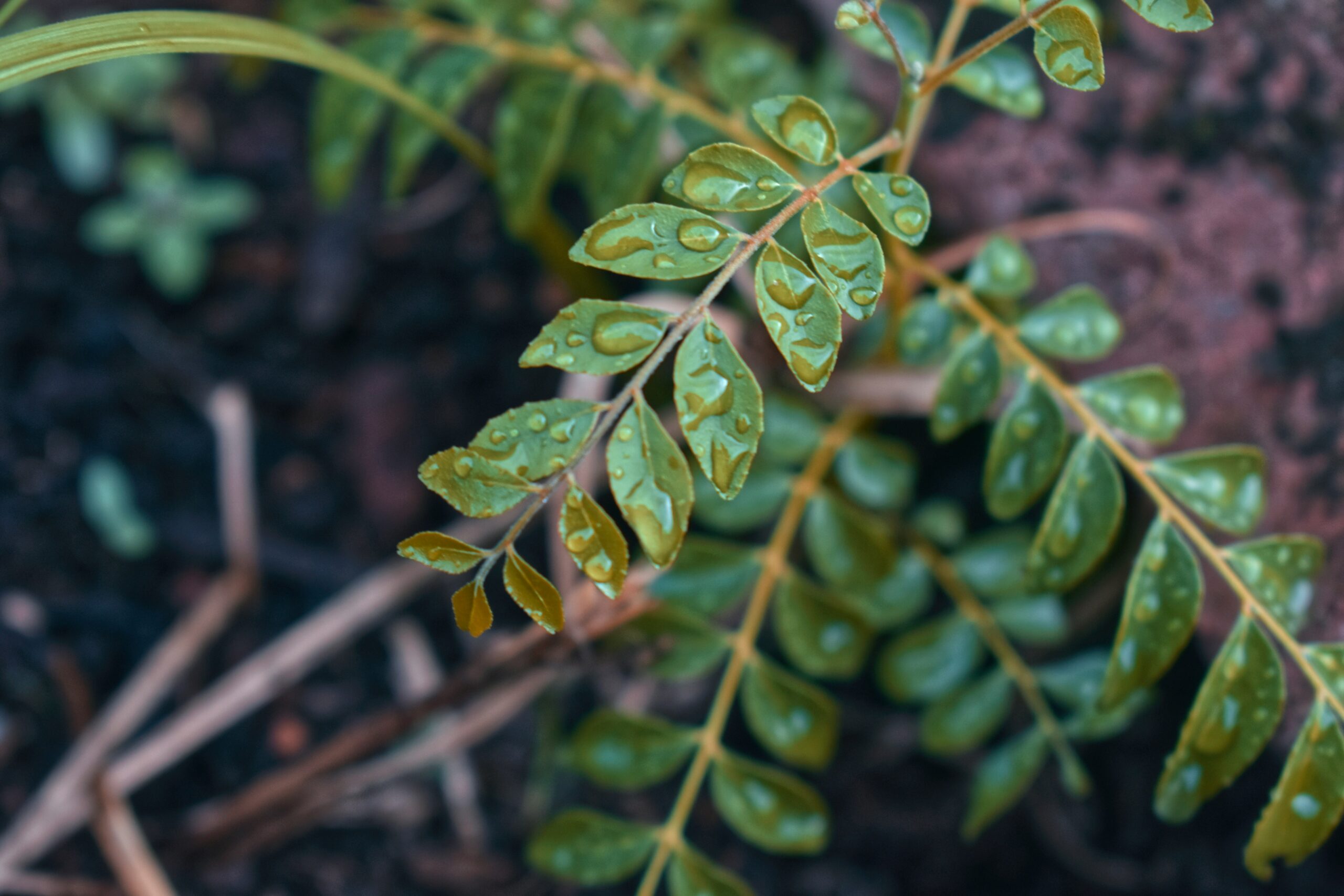
Curry leaves hold a special place in traditional Indian kitchens, yet many people know them only as a tempering ingredient. However, curry leaves benefits in Ayurveda extend beyond their distinctive aroma and flavour. Ayurveda has traditionally valued these fragrant leaves as part of a wholesome diet and as an ingredient in various herbal preparations.

Known botanically as Murraya koenigii, curry leaves grow on a small tropical tree native to the Indian subcontinent. Unlike curry powder, which contains a blend of spices, fresh curry leaves come directly from the curry leaf tree. Therefore, they bring their own unique aroma, taste, and traditional significance to Indian cooking.

Although modern lifestyles often encourage the use of packaged ingredients, simple kitchen herbs such as curry leaves remind us of the value of traditional food wisdom. Moreover, adding fresh herbs to everyday meals can make food more flavourful while supporting a varied and balanced diet.

Read more

Forgotten Ayurvedic Flowers: Flame of the Forest

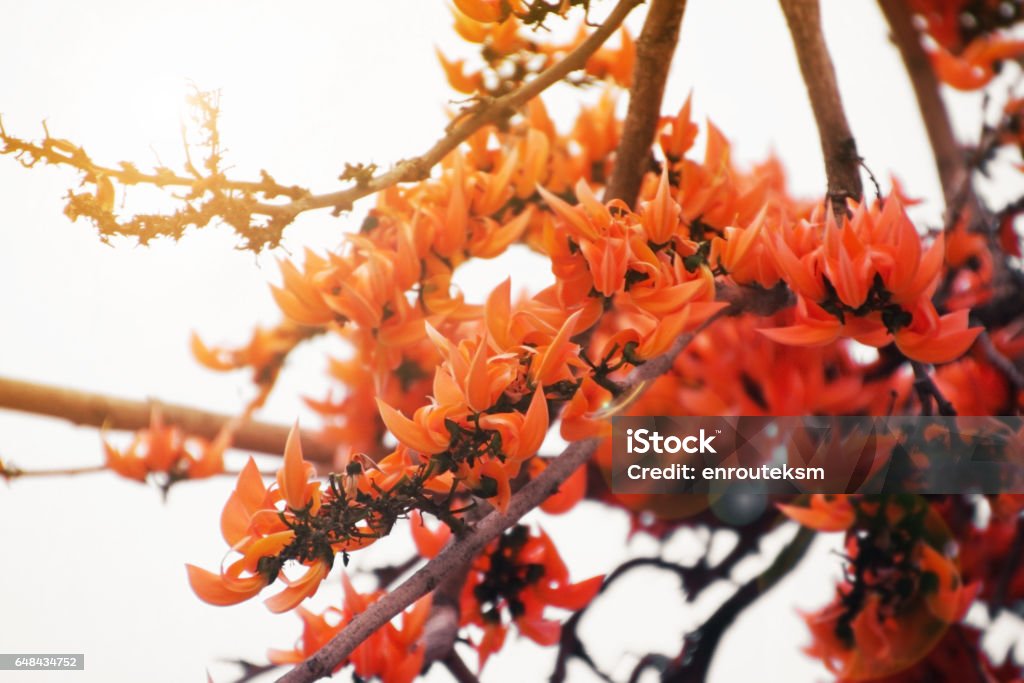
The Flame of the Forest in Ayurveda, traditionally known as Palasha, holds a fascinating place in India’s botanical and medicinal heritage. The brilliant orange-red flowers of Butea monosperma brighten dry forests during the warmer months and give the tree its unforgettable name. However, Palasha offers more than visual beauty. Ayurvedic traditions have valued different parts of this tree, including its flowers, seeds, bark, gum, and leaves.

Although modern lifestyles often overlook traditional plants such as Palasha, Ayurveda continues to recognize its distinctive qualities. Moreover, its historical importance extends beyond medicine into food traditions, rituals, natural dyes, and cultural practices.

Read more

Aparajita: Forgotten Ayurvedic Flower for Memory

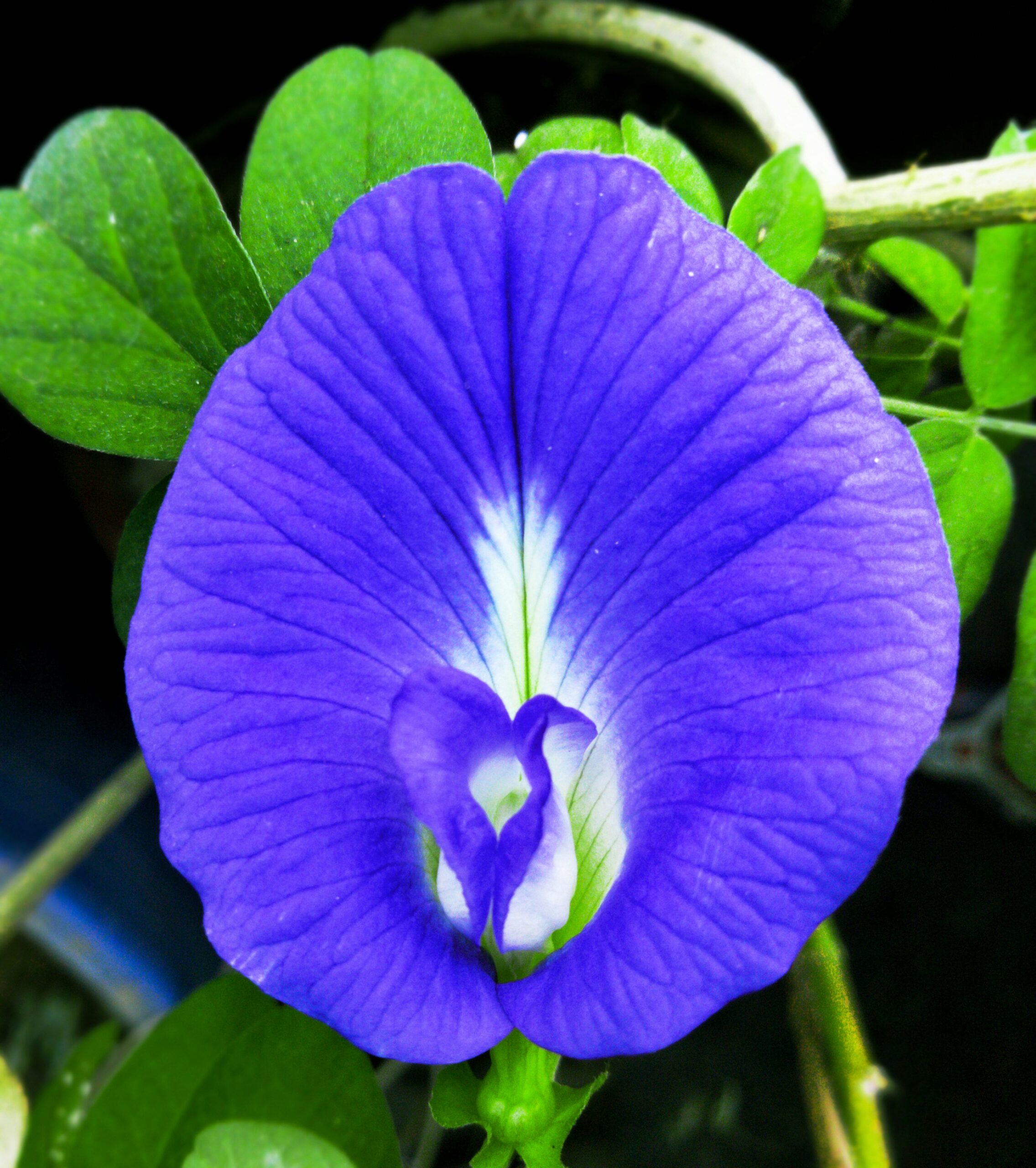
Aparajita Ayurvedic flower holds a special place among India’s traditional medicinal plants. Known botanically as Clitoria ternatea, Aparajita is also popularly called Butterfly Pea or Asian pigeonwings. Its striking blue flowers make it easy to recognize, while its traditional use in Ayurveda gives it much greater significance than its ornamental beauty suggests.

For centuries, traditional practitioners have valued Aparajita for its association with memory, intellect, mental calmness, and overall neurological well-being. In addition, Ayurveda has used different parts of the plant in traditional preparations.

Today, Aparajita has gained renewed attention because of blue herbal tea and growing interest in traditional wellness practices. However, its modern popularity is only one chapter in the much older story of this remarkable flower.

Read more

Forgotten Ayurvedic Flowers: Lotus

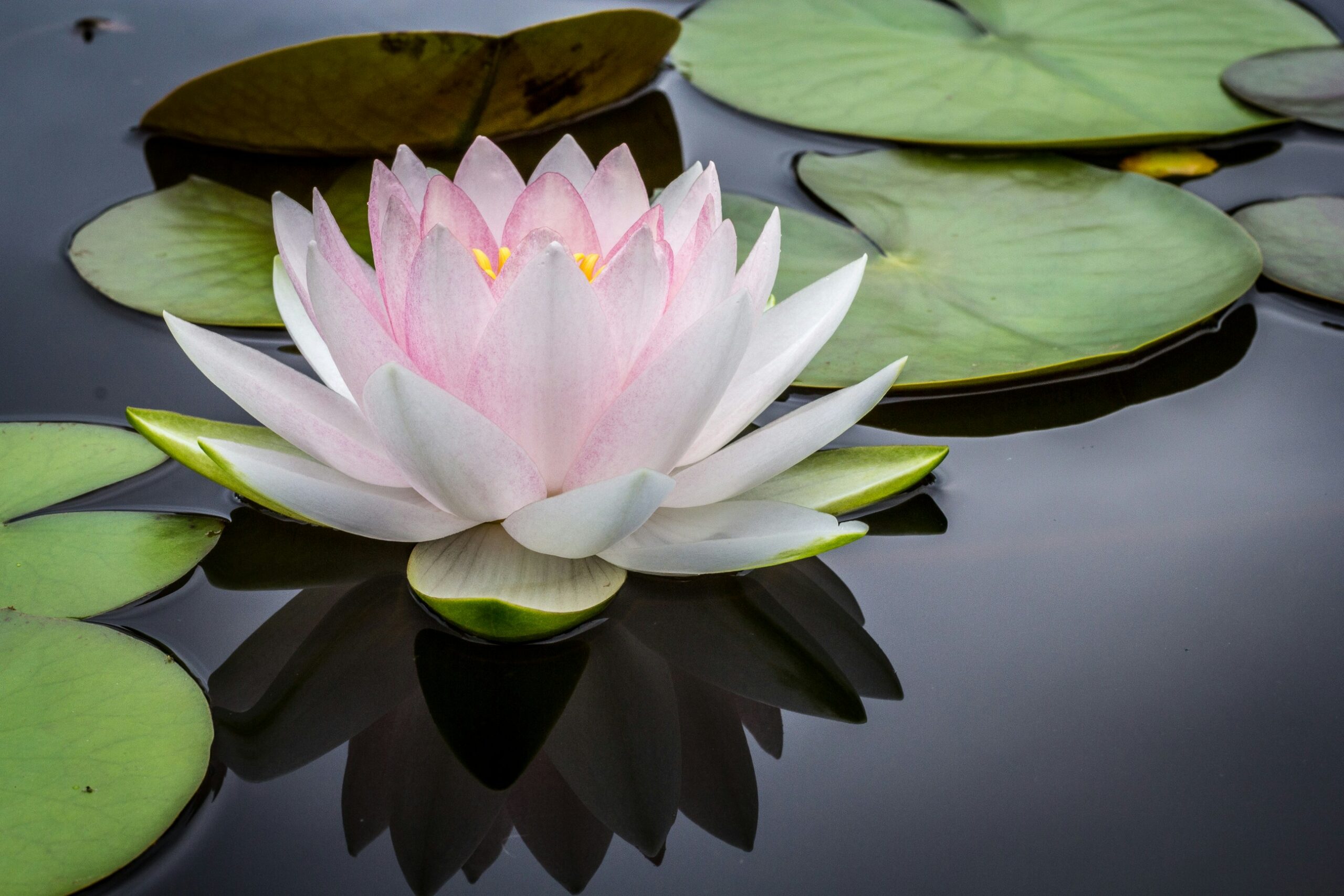
The Forgotten Ayurvedic Flowers Lotus, known traditionally as Padma, holds a special place in classical Indian traditions. Beyond its beauty, Ayurveda has valued the lotus flower for its cooling, soothing, and nourishing qualities. Traditionally, Ayurvedic practitioners used different parts of the lotus, including its flowers, seeds, and rhizomes, for various wellness purposes.

Moreover, the lotus carries an important place in Indian culture, spirituality, and traditional medicine. Its ability to rise above muddy waters and bloom beautifully has also made it a powerful symbol of purity, renewal, and inner balance.

Read more

Champaka in Ayurveda: Forgotten Ayurvedic Flowers

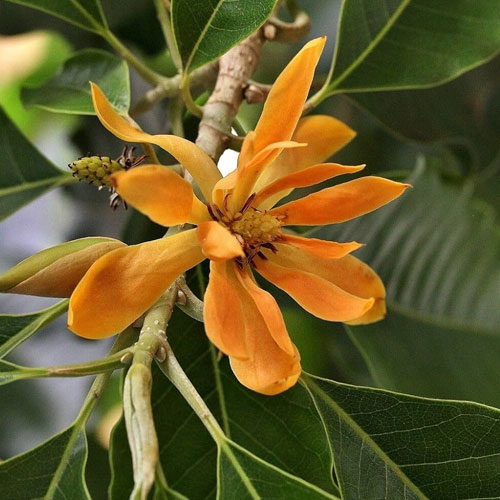
Champaka (Michelia champaca) is one of Ayurveda’s fragrant and culturally significant flowers. Known for its rich golden-yellow blooms and captivating aroma, Champaka has held an important place in traditional Indian wellness practices, perfumery, worship, and classical herbal traditions. Although modern life often overlooks this beautiful flower, Champaka in Ayurveda has a long history of traditional use.

Interestingly, Ayurveda does not view aromatic flowers merely as decorative plants. Instead, their fragrance, qualities, and traditional applications can form part of a broader approach to supporting balance and wellbeing. Therefore, Champaka deserves a place among the forgotten Ayurvedic flowers that continue to attract interest today.

Read more

Forgotten Trees of Ayurveda: Nimba (Neem) — The Bitter Pharmacological Powerhouse

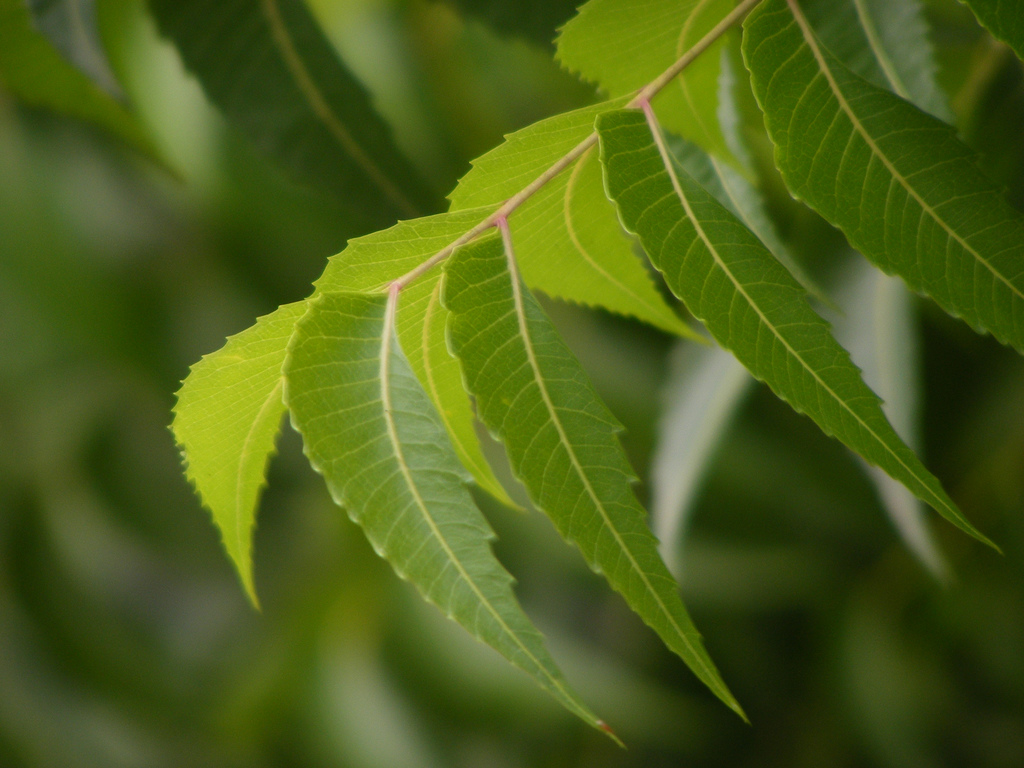
Among the medicinal trees described in Ayurveda, Nimba in Ayurveda occupies a particularly interesting position. Known today as Neem, Nimba refers botanically to Azadirachta indica A.Juss., a member of the Meliaceae family. Although modern wellness culture often reduces Neem to a simple “detox” or “skin-cleansing” herb, classical Ayurveda presents a much more sophisticated picture. Nimba has a distinctly bitter profile and traditionally enters therapeutic reasoning around Pitta, Kapha, Rakta, skin disorders, inflammation, and krimi.

Modern phytochemical research makes Nimba even more fascinating. Scientists have identified numerous limonoids, flavonoids, phenolic compounds, terpenoids, fatty acids, and other secondary metabolites across different parts of the plant. Researchers have also investigated these compounds for antimicrobial, anti-inflammatory, antioxidant, metabolic, insecticidal, and other biological activities. However, laboratory activity does not automatically translate into clinical effectiveness, so Nimba deserves a balanced scientific interpretation rather than exaggerated claims.

Read more