Ayurveda

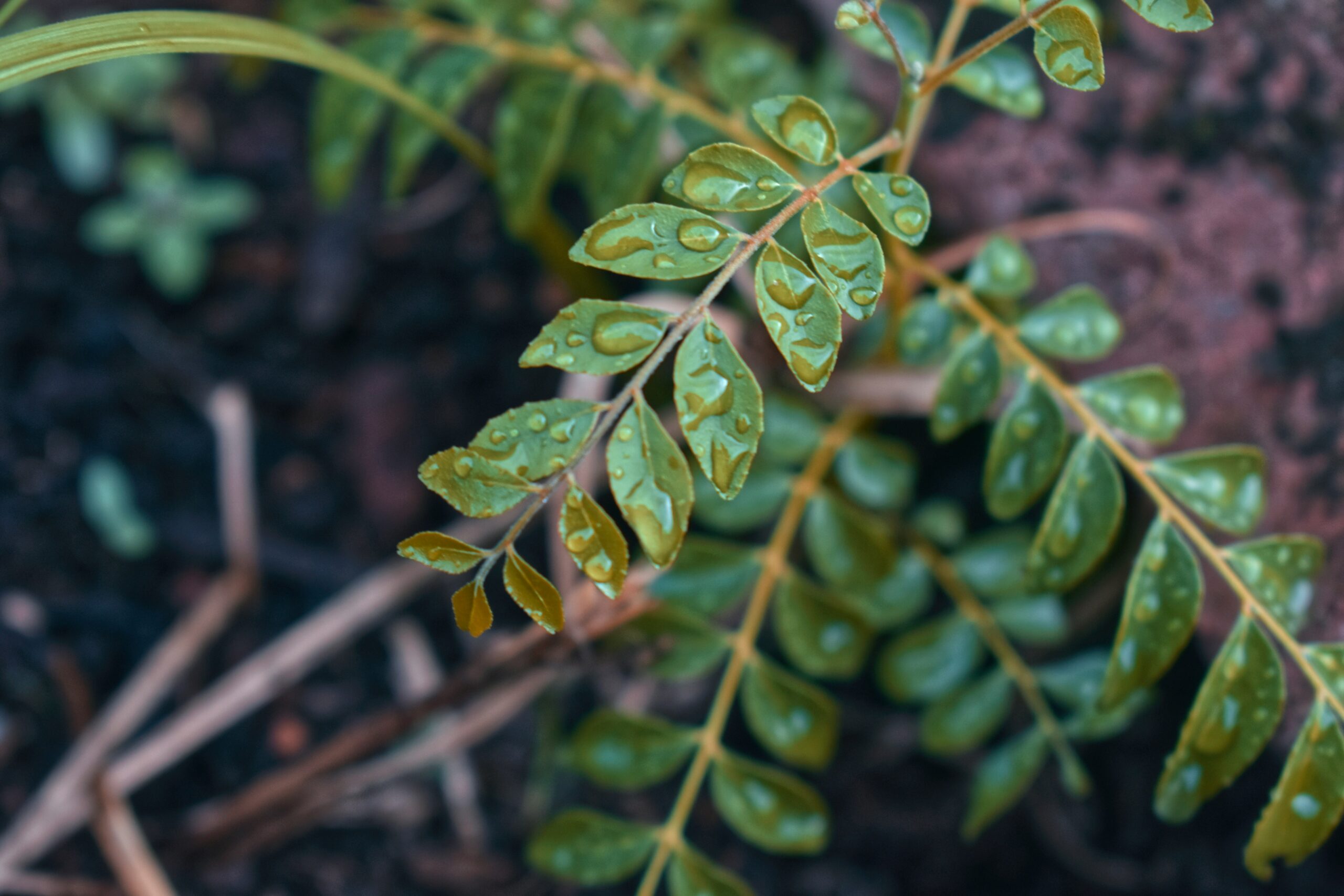
Curry Leaves Benefits in Ayurveda: A Forgotten Kitchen Herb

Curry leaves hold a special place in traditional Indian kitchens, yet many people know them only as a tempering ingredient. However, curry leaves benefits in Ayurveda extend beyond their distinctive aroma and flavour. Ayurveda has traditionally valued these fragrant leaves as part of a wholesome diet and as an ingredient in various herbal preparations.

Known botanically as Murraya koenigii, curry leaves grow on a small tropical tree native to the Indian subcontinent. Unlike curry powder, which contains a blend of spices, fresh curry leaves come directly from the curry leaf tree. Therefore, they bring their own unique aroma, taste, and traditional significance to Indian cooking.

Although modern lifestyles often encourage the use of packaged ingredients, simple kitchen herbs such as curry leaves remind us of the value of traditional food wisdom. Moreover, adding fresh herbs to everyday meals can make food more flavourful while supporting a varied and balanced diet.

Read more

Fenugreek Leaves Benefits: A Forgotten Ayurvedic Kitchen Herb

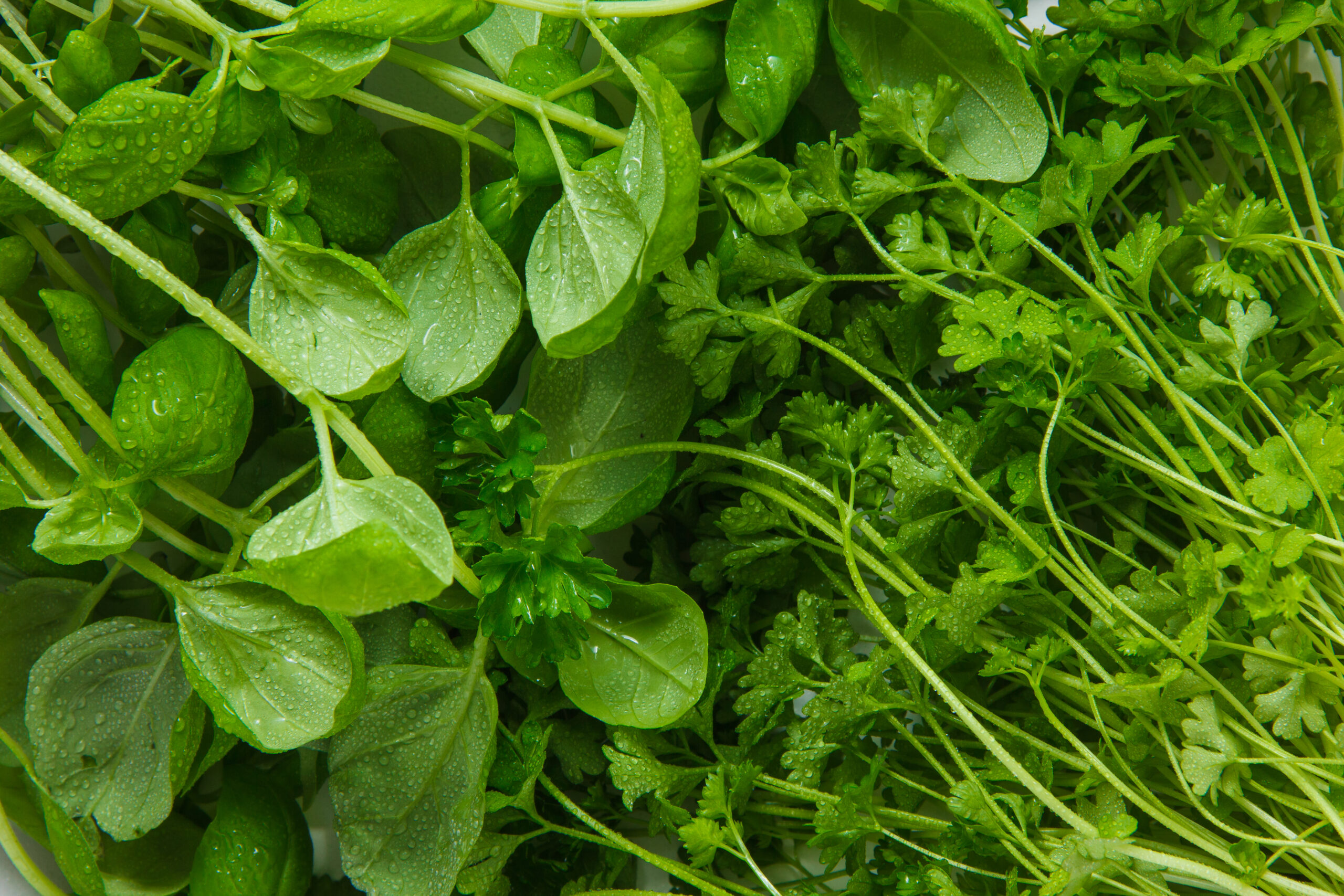
Fenugreek leaves benefits extend beyond their distinctive flavour and familiar place in Indian cooking. Commonly known as methi, these aromatic green leaves have long appeared in traditional recipes and Ayurvedic food practices. Although fenugreek seeds often receive more attention, the leaves themselves deserve recognition as a valuable kitchen herb.

With their pleasantly bitter taste and earthy aroma, fresh methi can bring depth to everyday meals. Moreover, the leaves pair well with lentils, vegetables, whole grains, and traditional Indian spices. Dried fenugreek leaves, known as kasuri methi, also add a rich fragrance to curries and gravies.

As modern diets increasingly rely on processed foods, traditional leafy herbs can offer a welcome return to simple, flavourful cooking. Therefore, rediscovering methi may encourage us to appreciate the diversity already present in our kitchens.

Read more

Dill: A Forgotten Ayurvedic Kitchen Herb

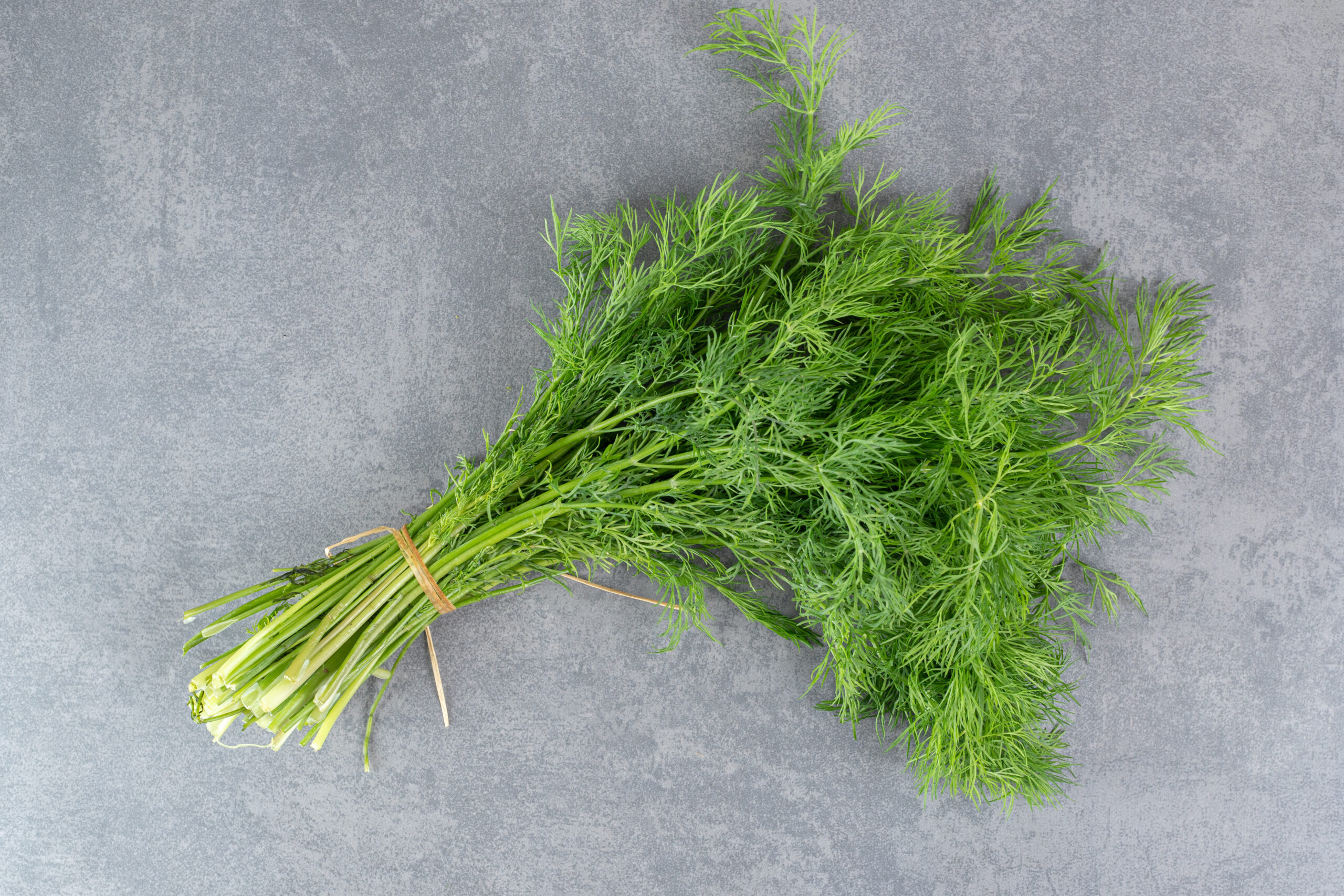
Dill is an aromatic herb that deserves a place among forgotten Ayurvedic kitchen herbs. The Dill Ayurvedic benefitsdescribed in traditional practices relate mainly to its use in food preparations that support digestion and everyday comfort. Although many people now know dill primarily as a culinary herb, traditional Indian households have also valued dill leaves and seeds for their distinctive aroma and warming qualities.

In India, dill is often known as Suva or Shepu, depending on the region and local language. Both the leaves and seeds can add flavour to meals. Moreover, traditional food practices often use aromatic herbs and spices not only for taste but also to support comfortable digestion.

Read more

Kokum Fruit Benefits: A Forgotten Ayurvedic Treasure

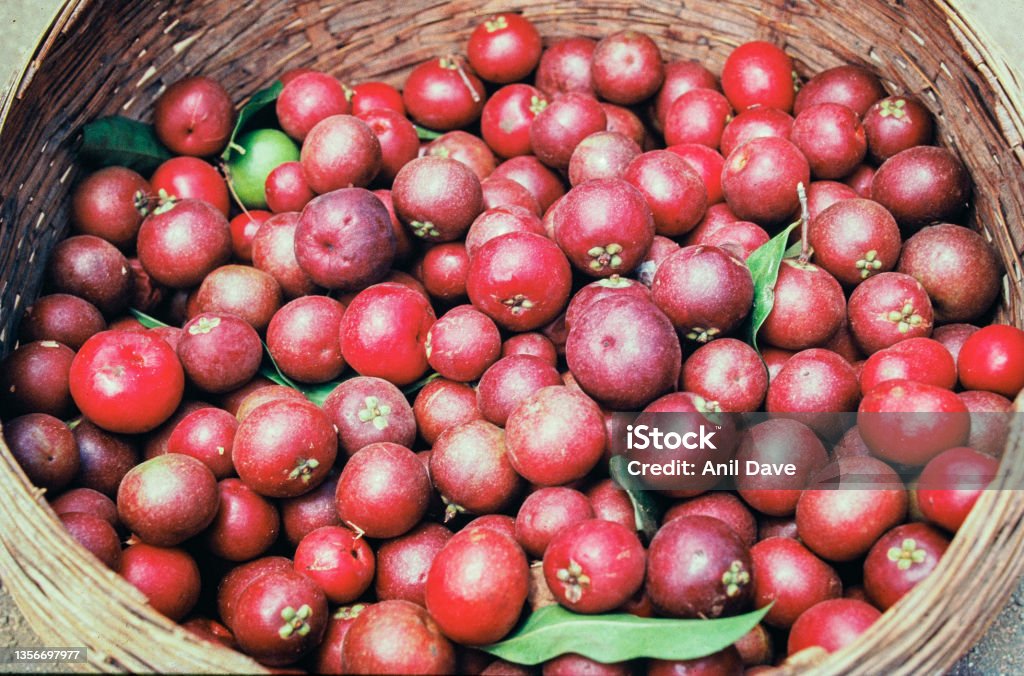
Kokum is a traditional Indian fruit that deserves far more attention than it receives today. Known for its deep purple skin and pleasantly sour taste, this tropical fruit has long held a place in regional cuisines and traditional Ayurvedic practices. From refreshing summer drinks to tangy curries and traditional preparations, Kokum fruit benefits extend beyond its distinctive flavour.

Scientifically known as Garcinia indica, Kokum grows mainly along India’s western coastal regions. Although many people know the fruit as a culinary ingredient, traditional communities have valued it for generations as part of seasonal food practices. Moreover, Ayurveda traditionally considers taste, digestive qualities, season, and individual constitution when discussing foods such as Kokum.

Read more

Jamun Benefits in Ayurveda: A Forgotten Fruit for Wellness

Jamun benefits in Ayurveda have been appreciated for generations, yet this deep purple seasonal fruit often receives far less attention than many popular “superfoods.” Also known as Jambu in Ayurvedic traditions, Jamun is valued not only for its distinctive sweet, sour, and astringent taste but also for its traditional role in supporting digestion and overall balance.

Moreover, Ayurveda looks at food through qualities, taste, digestion, and its influence on the doshas. Therefore, Jamun holds a unique place among traditional Indian fruits. Its seasonal availability also reminds us of the importance of eating fresh, locally available foods.

Read more

Kapittha: A Forgotten Fruit of Ayurveda

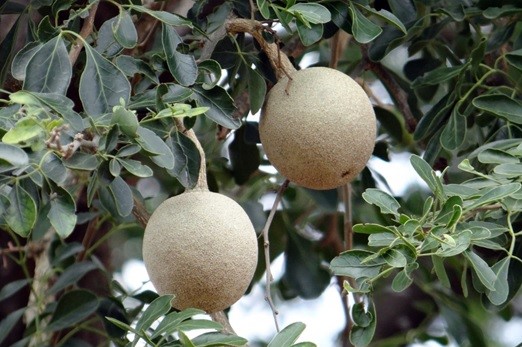
Kapittha fruit benefits deserve more attention in modern wellness discussions. Known botanically as Limonia acidissima, Kapittha is commonly called wood apple. This distinctive fruit has a hard outer shell and aromatic, tangy pulp. Although many people now overlook it, Ayurveda has traditionally valued Kapittha for its unique qualities and its role in supporting overall balance.

Moreover, Ayurveda considers the qualities, taste, and stage of ripeness of a food before describing its traditional uses. Therefore, ripe and unripe Kapittha may serve different purposes in Ayurvedic dietary practices.

Read more