Ayurveda

Bibhitaki Benefits in Ayurveda: Uses & Benefits

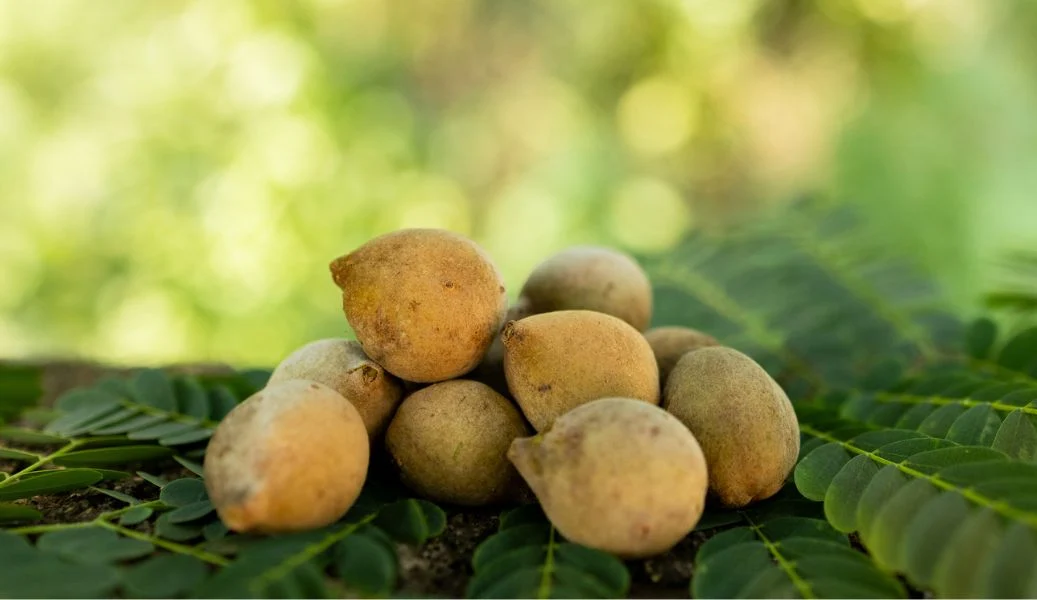
Bibhitaki benefits in Ayurveda have attracted attention for centuries. Known botanically as Terminalia bellirica, Bibhitaki comes from a fruit that holds an important place in traditional Ayurvedic wellness. It also forms one of the three fruits in the famous Ayurvedic preparation Triphala.

Although modern diets often focus on familiar fruits, Ayurveda recognizes many lesser-known fruits for their traditional wellness properties. Bibhitaki offers an interesting example. Ayurvedic practitioners have traditionally used this fruit to support digestion, respiratory wellness, healthy elimination, and overall balance. Therefore, exploring Bibhitaki gives us a fascinating look at the forgotten fruits of Ayurveda.

Read more

Amla in Ayurveda: Benefits, Uses & Traditional Wisdom

Amla

Amla in Ayurveda holds a special place in India’s traditional wellness system. Also known as Amalaki or Indian gooseberry, Amla comes from the tree Phyllanthus emblica (synonym Emblica officinalis).

This small, green fruit has an intensely sour and slightly astringent taste. However, Ayurveda values Amla for much more than its distinctive flavour. Traditional practitioners have used the fruit as food and as an ingredient in various Ayurvedic preparations for centuries.

Moreover, Amla has a strong connection with Rasayana, the Ayurvedic approach to nourishment, vitality, and healthy ageing. Modern nutrition has also increased interest in Amla because the fruit naturally contains vitamin C and several plant compounds.

Read more

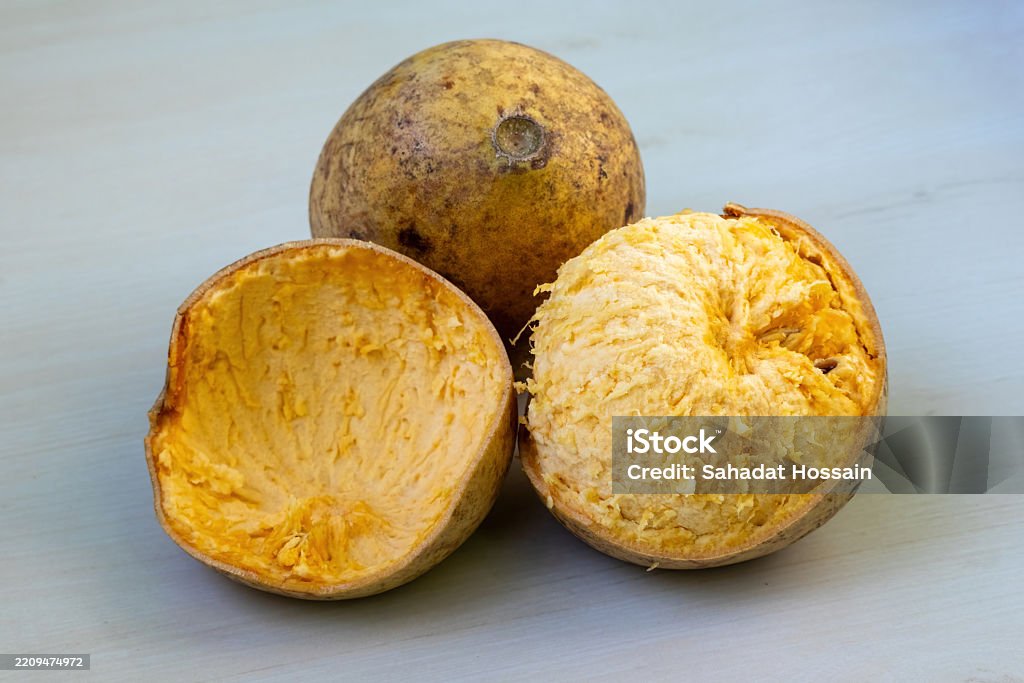
Bael Fruit in Ayurveda: Benefits, Uses & History

Bael fruit in Ayurveda has a long history as a valued fruit used for digestion, nourishment, and traditional wellness. Known botanically as Aegle marmelos, bael is also called Bilva in Sanskrit. Its hard shell, fragrant pulp, and distinctive taste make it very different from many fruits commonly found today.

Moreover, Ayurveda has traditionally valued different parts of the bael tree, including its fruit, leaves, roots, and bark. However, the ripe fruit receives particular attention for its nourishing and digestive qualities. Traditionally, people have enjoyed bael pulp as a fresh fruit, drink, or ingredient in Ayurvedic preparations.

As modern diets increasingly rely on processed foods, traditional fruits such as bael deserve renewed attention. Nevertheless, traditional use does not automatically prove that bael can treat or cure a medical condition.

Read more

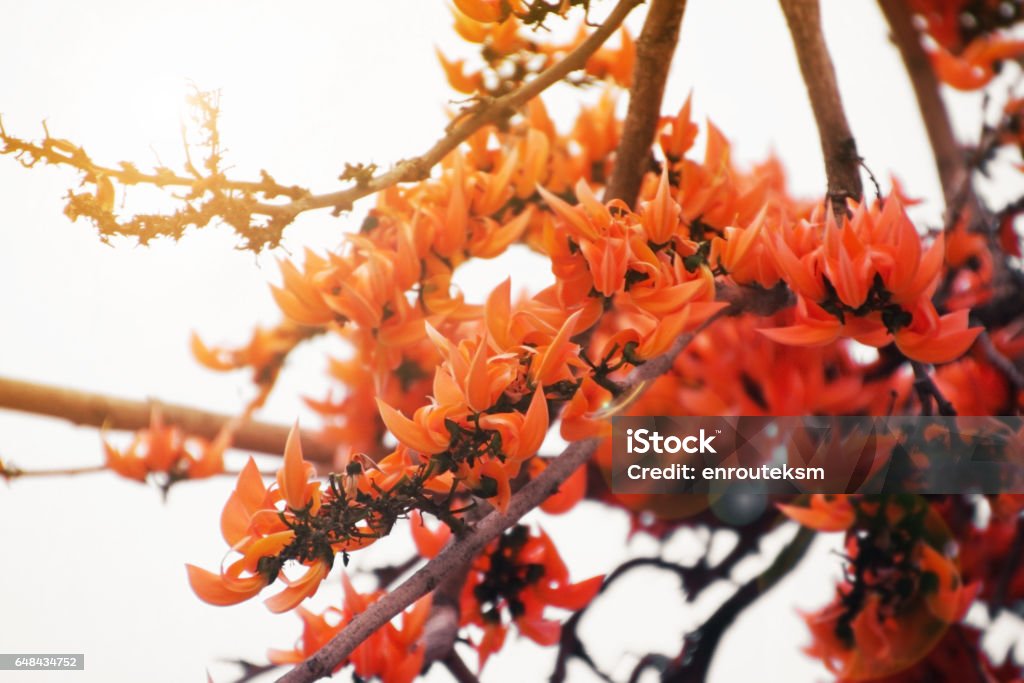
Forgotten Ayurvedic Flowers: Flame of the Forest

The Flame of the Forest in Ayurveda, traditionally known as Palasha, holds a fascinating place in India’s botanical and medicinal heritage. The brilliant orange-red flowers of Butea monosperma brighten dry forests during the warmer months and give the tree its unforgettable name. However, Palasha offers more than visual beauty. Ayurvedic traditions have valued different parts of this tree, including its flowers, seeds, bark, gum, and leaves.

Although modern lifestyles often overlook traditional plants such as Palasha, Ayurveda continues to recognize its distinctive qualities. Moreover, its historical importance extends beyond medicine into food traditions, rituals, natural dyes, and cultural practices.

Read more

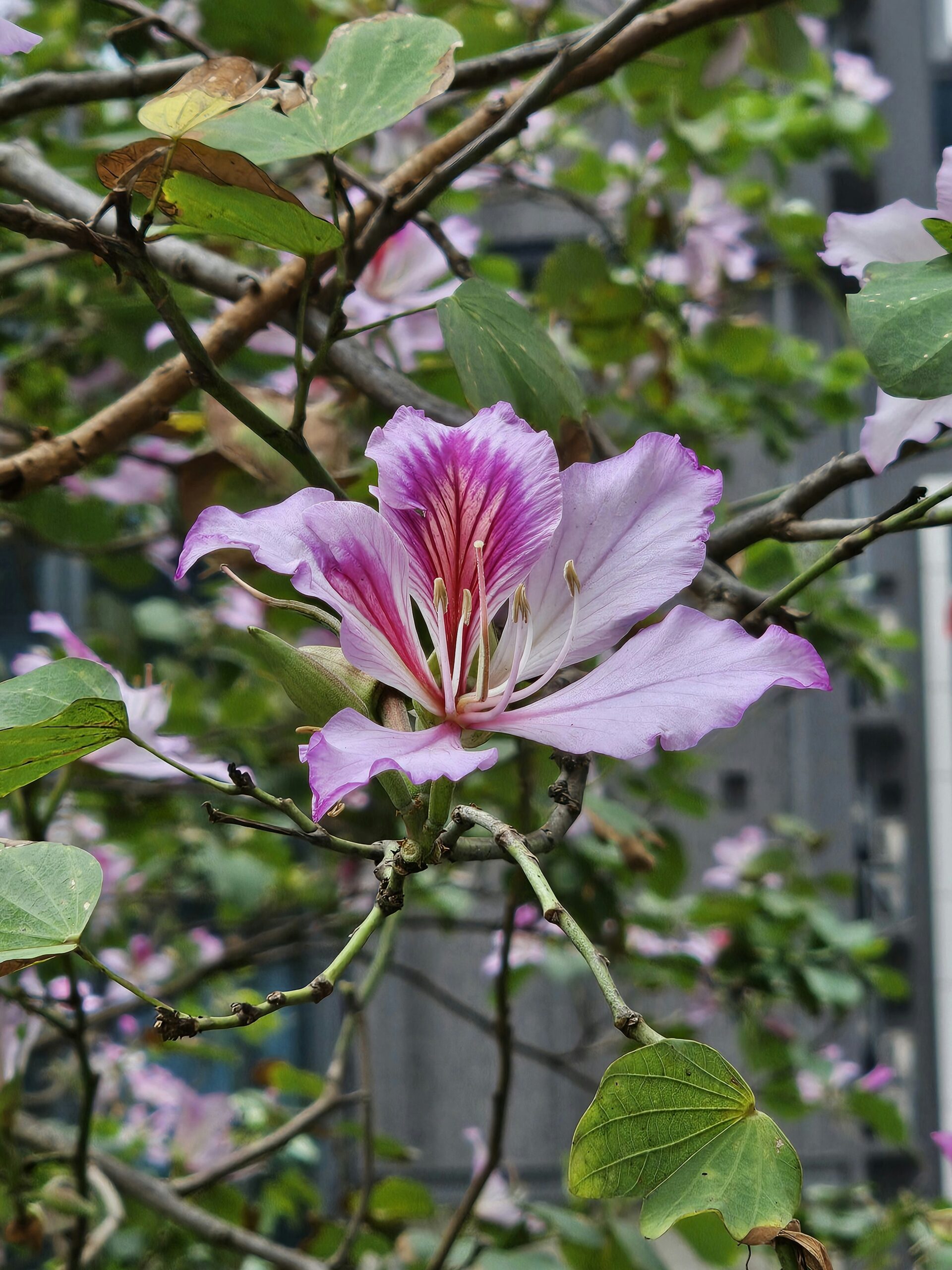
Kovidara Flower: Forgotten Ayurvedic Flower

Kovidara is one of the lesser-known flowers mentioned in traditional Ayurvedic literature. While modern wellness conversations often focus on familiar herbs such as Ashwagandha, Tulsi, and Brahmi, classical Ayurveda also recognized the value of flowering trees and their different plant parts.

The Kovidara flower, associated with the Kovidara tree, holds an interesting place in traditional Indian medicine and culture. Its delicate flowers have traditionally been used in certain Ayurvedic practices, particularly in formulations and dietary preparations. However, its use requires proper identification and appropriate guidance.

Read more

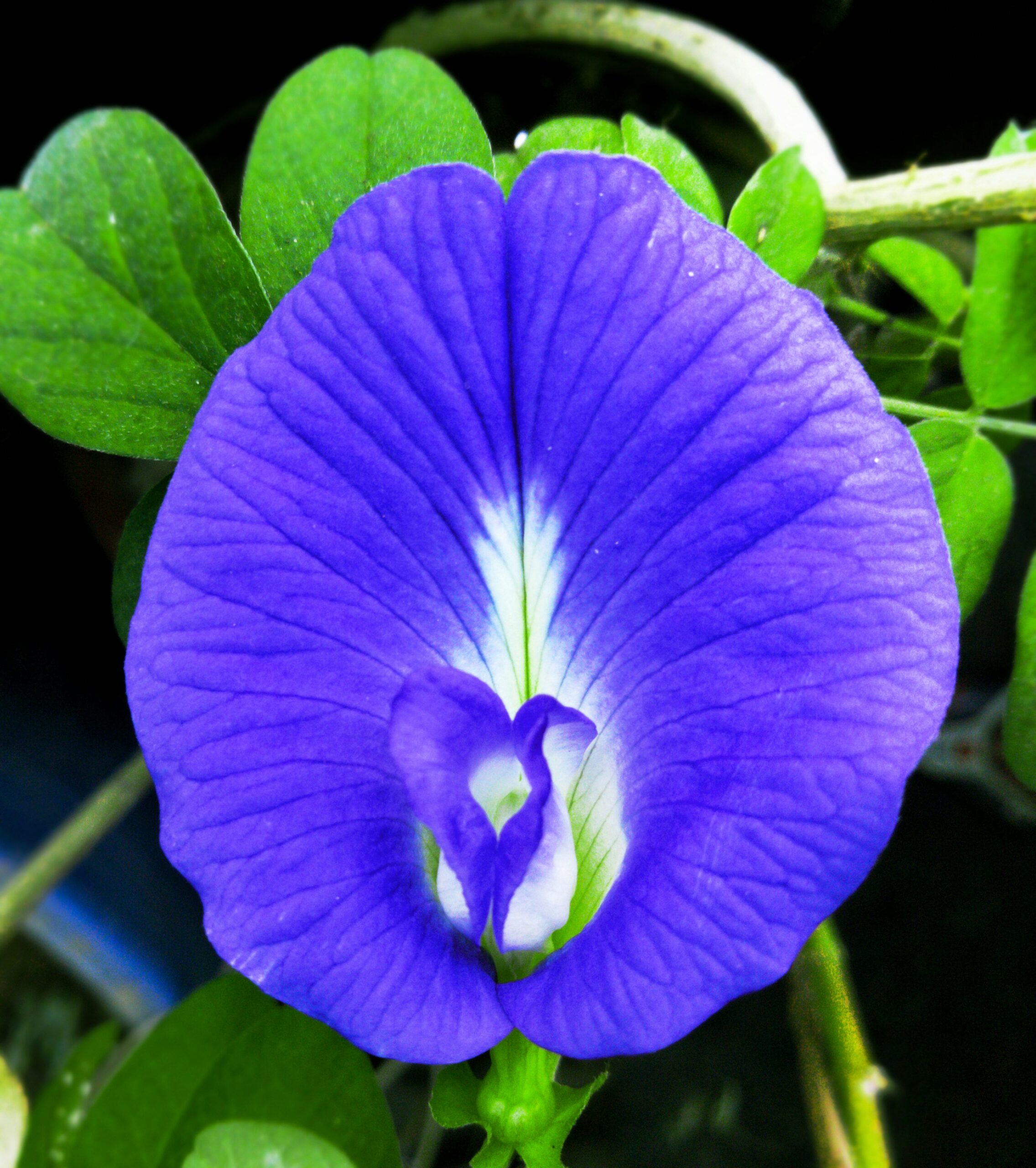
Aparajita: Forgotten Ayurvedic Flower for Memory

Aparajita Ayurvedic flower holds a special place among India’s traditional medicinal plants. Known botanically as Clitoria ternatea, Aparajita is also popularly called Butterfly Pea or Asian pigeonwings. Its striking blue flowers make it easy to recognize, while its traditional use in Ayurveda gives it much greater significance than its ornamental beauty suggests.

For centuries, traditional practitioners have valued Aparajita for its association with memory, intellect, mental calmness, and overall neurological well-being. In addition, Ayurveda has used different parts of the plant in traditional preparations.

Today, Aparajita has gained renewed attention because of blue herbal tea and growing interest in traditional wellness practices. However, its modern popularity is only one chapter in the much older story of this remarkable flower.

Read more