Ayurvedic herbs for healthy kidneys have long held an important place in traditional wellness practices. In Ayurveda, the kidneys form part of the body’s broader system of fluid regulation and waste elimination. Therefore, maintaining healthy digestion, balanced hydration, and proper lifestyle habits may support overall urinary wellness.
Ayurveda does not view health as the result of one organ working alone. Instead, it considers the relationship between Agni, Doshas, Dhatus, and the body’s natural elimination processes. Consequently, Ayurvedic herbs may be selected according to an individual’s constitution, current imbalance, digestive strength, and overall health.
However, herbs should not replace medical evaluation or treatment for kidney disease, kidney stones, urinary infections, or other serious conditions.
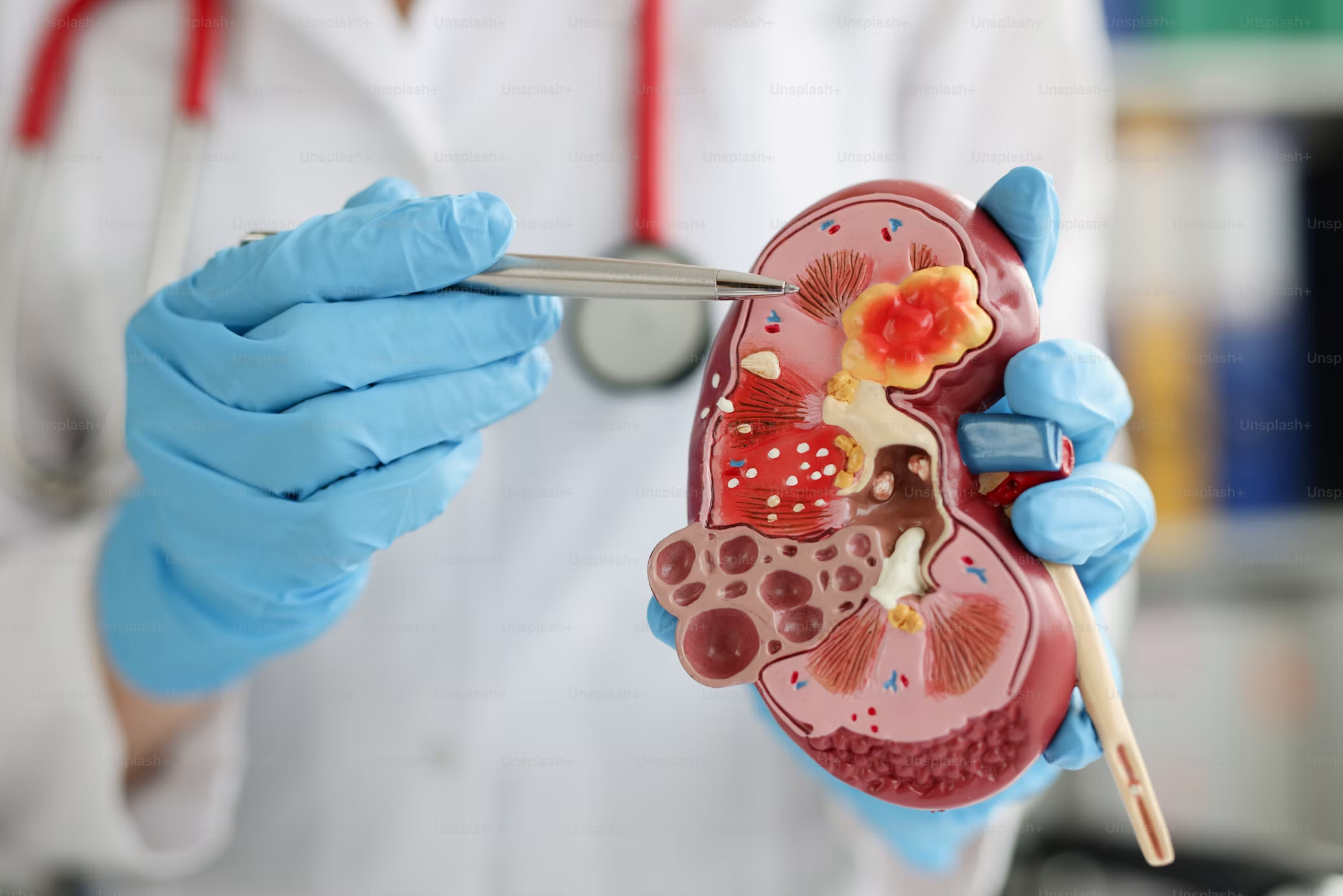
The Ayurvedic View of Kidney and Urinary Health
In Ayurvedic thought, the urinary system is closely connected with Mutravaha Srotas, the channels involved in the formation and elimination of urine. Proper fluid balance depends on several factors, including digestion, metabolism, diet, activity, and the balance of the Doshas.For example, aggravated Vata may contribute to dryness and irregular elimination. Excess Pitta, on the other hand, may be associated in Ayurvedic theory with heat and irritation. Meanwhile, increased Kapha may contribute to heaviness and sluggishness.
Therefore, Ayurveda traditionally aims to support balance rather than simply focus on one symptom. A qualified Ayurvedic practitioner may consider the person’s constitution before recommending specific herbs or formulations.
1. Punarnava
Punarnava (Boerhavia diffusa) is one of the best-known herbs traditionally associated with urinary and fluid balance in Ayurveda. Its Sanskrit name means “renewed again,” reflecting its traditional reputation as a rejuvenating herb.
Ayurvedic practitioners have historically included Punarnava in formulations designed to support:
- Healthy fluid balance
- Natural elimination
- Urinary wellness
- General metabolic balance
Moreover, Punarnava appears in several traditional Ayurvedic preparations. Nevertheless, the appropriate form and amount can vary according to individual needs.
2. Gokshura
Gokshura (Tribulus terrestris) is another important herb traditionally used to support the urinary system. Ayurveda commonly includes it in formulations intended to promote urinary comfort and maintain the healthy functioning of the Mutravaha Srotas.
Traditionally, Gokshura may support:
- Normal urinary flow
- Urinary tract wellness
- Reproductive health
- Strength and vitality
Furthermore, practitioners often combine Gokshura with other herbs rather than using it as a universal remedy. As a result, individual assessment remains important.
3. Varuna
Varuna (Crataeva nurvala) has a long history of traditional use in Ayurvedic preparations related to urinary wellness. Ayurvedic texts and classical practice associate this herb with support for the urinary passages.
Traditionally, Varuna may appear in formulations intended to support:
- Healthy urinary function
- Comfortable elimination
- Normal fluid metabolism
- Urinary tract wellness
Because urinary symptoms can sometimes indicate an underlying medical condition, persistent discomfort requires proper medical assessment.
4. Coriander Seeds
Coriander seeds, known as Dhanyaka in Ayurveda, are a familiar kitchen spice with traditional wellness uses. Their gentle nature makes them particularly popular in simple dietary preparations.
Traditionally, coriander may support:
- Healthy digestion
- Normal fluid balance
- Cooling dietary routines
- General urinary wellness
For instance, some people prepare a mild coriander infusion as part of their daily routine. However, traditional use does not guarantee that a preparation is appropriate for every person.
5. Amla
Amla (Phyllanthus emblica), also known as Indian gooseberry, is a highly valued rejuvenating fruit in Ayurveda. It is especially known for its Rasayana role and its naturally sour and astringent qualities.
Although Amla is not used solely for kidney health, Ayurvedic practitioners may include it in broader wellness routines because it traditionally supports:
- Overall vitality
- Digestive balance
- Healthy metabolism
- Rasayana or rejuvenative practices
Additionally, Amla forms an important ingredient in several classical Ayurvedic preparations.
6. Guduchi
Guduchi (Tinospora cordifolia) is another important Ayurvedic herb traditionally used to support overall balance and resilience. Ayurveda classifies it as a valuable herb in many traditional formulations.
Guduchi may be selected in broader wellness approaches that focus on:
- Supporting healthy metabolism
- Maintaining overall balance
- Promoting digestive wellness
- Supporting traditional rejuvenative practices
However, “natural” does not automatically mean risk-free. Therefore, people with existing health conditions or those taking medication should seek professional guidance before using concentrated herbal supplements.
7. Chandraprabha Vati
Chandraprabha Vati is a classical Ayurvedic formulation that traditionally contains multiple herbs and ingredients. Ayurvedic practitioners have historically used it in formulations intended to support urinary and metabolic wellness.
Because classical formulations contain several active ingredients, self-prescribing them may not be appropriate. Instead, a qualified practitioner should consider your constitution, symptoms, medications, and overall health before recommending a formulation.
Lifestyle Habits That Support Kidney Wellness
While Ayurvedic herbs for healthy kidneys may form part of a traditional wellness routine, daily habits also matter. Ayurveda places strong emphasis on food, digestion, hydration, sleep, and regular routines.
Stay Appropriately Hydrated
Water requirements differ from person to person. Climate, physical activity, diet, and medical conditions can all affect fluid needs. Therefore, avoid both chronic dehydration and excessive fluid intake without medical guidance.
Support Healthy Digestion
According to Ayurveda, balanced Agni plays an important role in overall wellness. Consequently, regular meals, mindful eating, and a diet that suits your individual constitution may support general balance.
Avoid Excessive Processed Foods
Highly processed foods and excessive salt may not support overall health. Instead, focus on a varied diet containing vegetables, fruits, whole grains, and other nourishing foods that suit your individual needs.
Maintain Regular Daily Routines
Ayurveda values Dinacharya, or a consistent daily routine. Regular sleep, appropriate physical activity, balanced meals, and stress management can contribute to overall wellness.
Important Precautions Before Using Ayurvedic Herbs
Herbs can interact with medicines and may not be suitable for everyone. This is particularly important when kidney function is already impaired.
Speak with a qualified healthcare professional before using herbal supplements if you:
- Have kidney disease or reduced kidney function
- Have a history of kidney stones
- Experience swelling or changes in urination
- Are pregnant or breastfeeding
- Take prescription medicines
- Have diabetes, high blood pressure, or another chronic condition
Additionally, seek prompt medical care if you notice blood in the urine, severe pain, persistent swelling, markedly reduced urine output, fever with urinary symptoms, or other concerning changes.
The Bottom Line
Ayurvedic herbs for healthy kidneys can be part of a broader traditional approach to wellness. Herbs such as Punarnava, Gokshura, Varuna, coriander, Amla, and Guduchi have historical roles in Ayurvedic practice, particularly in approaches related to fluid balance, metabolism, and urinary wellness.
Nevertheless, herbs work best when considered alongside a balanced diet, appropriate hydration, healthy digestion, regular routines, and professional guidance. Most importantly, anyone with known kidney disease or persistent urinary symptoms should seek medical advice rather than relying on self-treatment.
Disclaimer
This article is provided for general educational and informational purposes only. It does not provide medical advice, diagnosis, or treatment. Ayurvedic herbs and traditional practices should not replace professional medical care. Kidney and urinary conditions can be serious, and some herbal products may be unsuitable for people with kidney disease or may interact with medications. Always consult a qualified healthcare professional and, where appropriate, a qualified Ayurvedic practitioner before starting any herb, supplement, or Ayurvedic formulation.

Hello!!
I’m Dr. Malini Bhat MD (Ayu); an Ayurvedic Doctor and a health blogger. Follow me on social media to get daily health tips which you can easily adapt to a healthy lifestyle.