Herbal Wellness

Ayurvedic Herbs for Healthy Kidneys: Natural Wellness Support

kidney

Ayurvedic herbs for healthy kidneys have long held an important place in traditional wellness practices. In Ayurveda, the kidneys form part of the body’s broader system of fluid regulation and waste elimination. Therefore, maintaining healthy digestion, balanced hydration, and proper lifestyle habits may support overall urinary wellness.

Ayurveda does not view health as the result of one organ working alone. Instead, it considers the relationship between Agni, Doshas, Dhatus, and the body’s natural elimination processes. Consequently, Ayurvedic herbs may be selected according to an individual’s constitution, current imbalance, digestive strength, and overall health.

However, herbs should not replace medical evaluation or treatment for kidney disease, kidney stones, urinary infections, or other serious conditions.

Read more

Bael Fruit in Ayurveda: Benefits, Uses & History

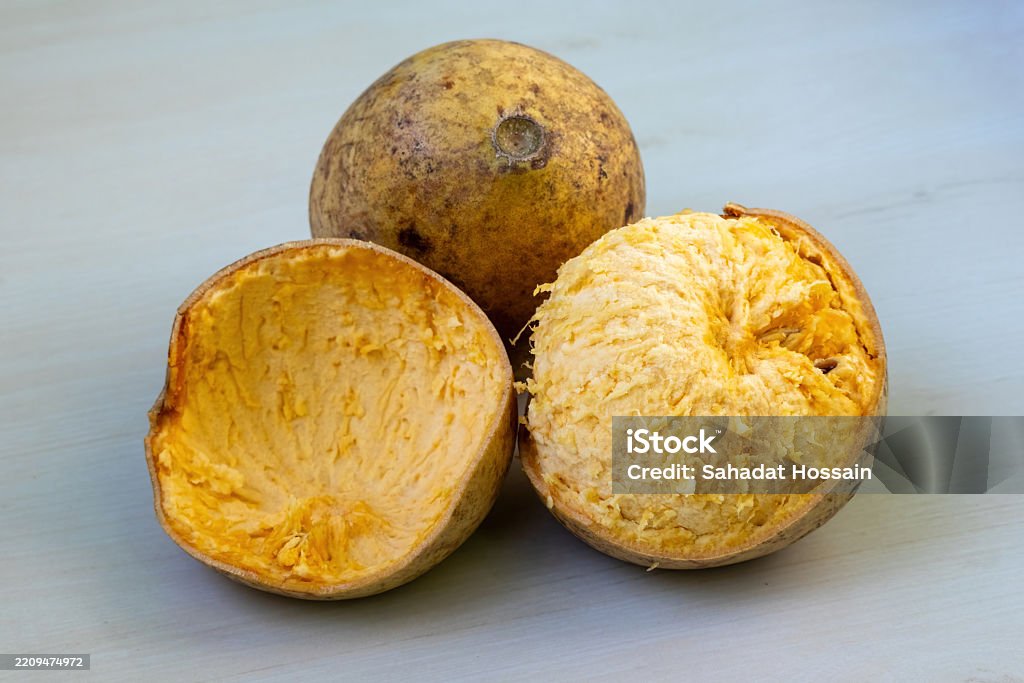
Bael fruit in Ayurveda has a long history as a valued fruit used for digestion, nourishment, and traditional wellness. Known botanically as Aegle marmelos, bael is also called Bilva in Sanskrit. Its hard shell, fragrant pulp, and distinctive taste make it very different from many fruits commonly found today.

Moreover, Ayurveda has traditionally valued different parts of the bael tree, including its fruit, leaves, roots, and bark. However, the ripe fruit receives particular attention for its nourishing and digestive qualities. Traditionally, people have enjoyed bael pulp as a fresh fruit, drink, or ingredient in Ayurvedic preparations.

As modern diets increasingly rely on processed foods, traditional fruits such as bael deserve renewed attention. Nevertheless, traditional use does not automatically prove that bael can treat or cure a medical condition.

Read more

Forgotten Trees of Ayurveda: Vijaysar

Forgotten Trees of Ayurveda Vijaysar introduces us to a remarkable medicinal tree that has held an important place in traditional Ayurvedic practice for centuries. Known botanically as Pterocarpus marsupium, Vijaysar is also called Indian Kino or Malabar Kino.

Ayurvedic practitioners have traditionally valued the tree’s heartwood, bark, resin, and other parts for different therapeutic purposes. In particular, traditional Ayurvedic knowledge associates Vijaysar with Kapha and Pitta balance, healthy metabolism, digestion, and urinary wellness.

Although Vijaysar does not receive the same attention as popular Ayurvedic herbs today, it remains an important part of India’s traditional botanical heritage.

Read more

Patala in Ayurveda: The Forgotten Tree of Dashamoola

Forgotten Herbs of Ayurveda – Dashamoola Series Part 4

Patala in Ayurveda represents one of the lesser-known yet highly valued trees described in classical Ayurvedic literature. Although many people recognize Dashamoola as an important herbal formulation, few know the individual plants that contribute to this celebrated group. Among these plants, Patala occupies a distinctive place because of its fragrant flowers, rich botanical history, and enduring significance in traditional medicine. Today, this remarkable tree offers an opportunity to rediscover one of Ayurveda’s hidden treasures.

Read more

Shyonaka in Ayurveda: The Forgotten Tree of Dashamoola

Forgotten Herbs of Ayurveda – Dashamoola Series Part 3

Shyonaka in Ayurveda represents one of the most fascinating yet lesser-known medicinal trees described in classical Ayurvedic literature. Although many people recognize Dashamoola as an important herbal formulation, few know the individual plants that contribute to this celebrated group. Among these plants, Shyonaka stands out because of its unique appearance, rich cultural history, and enduring place in traditional medicine. Today, this remarkable tree offers an opportunity to rediscover one of Ayurveda’s hidden botanical treasures.

Read more

Agnimantha in Ayurveda: The Forgotten Shrub of Dashamoola

Forgotten Herbs of Ayurveda – Dashamoola Series Part 2

Agnimantha in Ayurveda represents one of the lesser-known yet highly valued herbs of classical Ayurvedic literature. Although many people have heard of Dashamoola, few recognize the individual plants that contribute to this celebrated herbal group. Among them, Agnimantha occupies a special place because Ayurvedic scholars have included it in numerous traditional formulations for centuries. Today, this unassuming shrub invites us to rediscover a fascinating chapter of India’s botanical heritage.

Read more