digestive health

Fenugreek Leaves Benefits: A Forgotten Ayurvedic Kitchen Herb

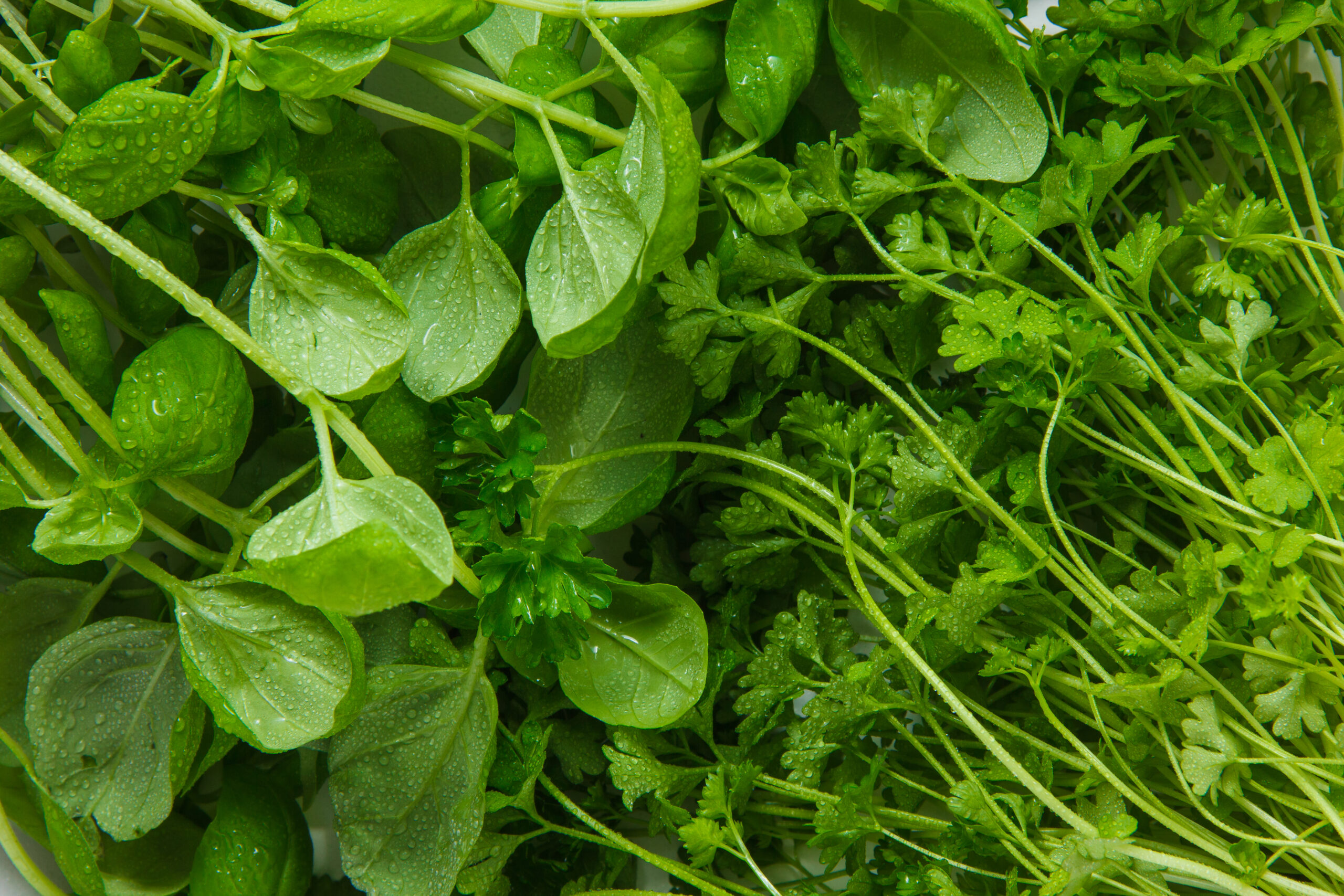
Fenugreek leaves benefits extend beyond their distinctive flavour and familiar place in Indian cooking. Commonly known as methi, these aromatic green leaves have long appeared in traditional recipes and Ayurvedic food practices. Although fenugreek seeds often receive more attention, the leaves themselves deserve recognition as a valuable kitchen herb.

With their pleasantly bitter taste and earthy aroma, fresh methi can bring depth to everyday meals. Moreover, the leaves pair well with lentils, vegetables, whole grains, and traditional Indian spices. Dried fenugreek leaves, known as kasuri methi, also add a rich fragrance to curries and gravies.

As modern diets increasingly rely on processed foods, traditional leafy herbs can offer a welcome return to simple, flavourful cooking. Therefore, rediscovering methi may encourage us to appreciate the diversity already present in our kitchens.

Read more

Kapittha: A Forgotten Fruit of Ayurveda

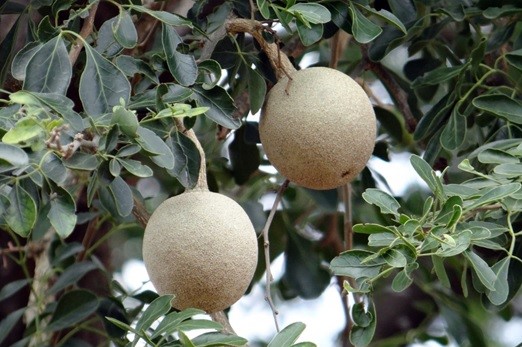
Kapittha fruit benefits deserve more attention in modern wellness discussions. Known botanically as Limonia acidissima, Kapittha is commonly called wood apple. This distinctive fruit has a hard outer shell and aromatic, tangy pulp. Although many people now overlook it, Ayurveda has traditionally valued Kapittha for its unique qualities and its role in supporting overall balance.

Moreover, Ayurveda considers the qualities, taste, and stage of ripeness of a food before describing its traditional uses. Therefore, ripe and unripe Kapittha may serve different purposes in Ayurvedic dietary practices.

Read more

Bibhitaki Benefits in Ayurveda: Uses & Benefits

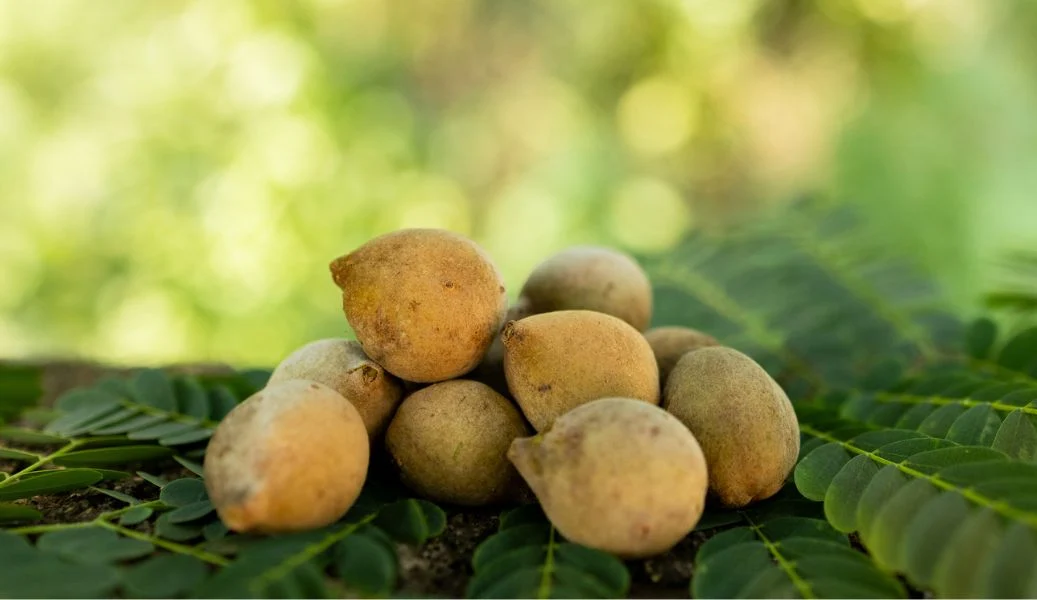
Bibhitaki benefits in Ayurveda have attracted attention for centuries. Known botanically as Terminalia bellirica, Bibhitaki comes from a fruit that holds an important place in traditional Ayurvedic wellness. It also forms one of the three fruits in the famous Ayurvedic preparation Triphala.

Although modern diets often focus on familiar fruits, Ayurveda recognizes many lesser-known fruits for their traditional wellness properties. Bibhitaki offers an interesting example. Ayurvedic practitioners have traditionally used this fruit to support digestion, respiratory wellness, healthy elimination, and overall balance. Therefore, exploring Bibhitaki gives us a fascinating look at the forgotten fruits of Ayurveda.

Read more

Amla in Ayurveda: Benefits, Uses & Traditional Wisdom

Amla

Amla in Ayurveda holds a special place in India’s traditional wellness system. Also known as Amalaki or Indian gooseberry, Amla comes from the tree Phyllanthus emblica (synonym Emblica officinalis).

This small, green fruit has an intensely sour and slightly astringent taste. However, Ayurveda values Amla for much more than its distinctive flavour. Traditional practitioners have used the fruit as food and as an ingredient in various Ayurvedic preparations for centuries.

Moreover, Amla has a strong connection with Rasayana, the Ayurvedic approach to nourishment, vitality, and healthy ageing. Modern nutrition has also increased interest in Amla because the fruit naturally contains vitamin C and several plant compounds.

Read more

Bael Fruit in Ayurveda: Benefits, Uses & History

Bael fruit in Ayurveda has a long history as a valued fruit used for digestion, nourishment, and traditional wellness. Known botanically as Aegle marmelos, bael is also called Bilva in Sanskrit. Its hard shell, fragrant pulp, and distinctive taste make it very different from many fruits commonly found today.

Moreover, Ayurveda has traditionally valued different parts of the bael tree, including its fruit, leaves, roots, and bark. However, the ripe fruit receives particular attention for its nourishing and digestive qualities. Traditionally, people have enjoyed bael pulp as a fresh fruit, drink, or ingredient in Ayurvedic preparations.

As modern diets increasingly rely on processed foods, traditional fruits such as bael deserve renewed attention. Nevertheless, traditional use does not automatically prove that bael can treat or cure a medical condition.

Read more

Forgotten Formulations of Ayurveda: Sitopaladi Churna Benefits

Forgotten Formulations of Ayurveda Sitopaladi Churna is one of the most trusted classical remedies in Ayurveda for supporting respiratory health. Although modern households often rely on conventional cough remedies.

Forgotten Formulations of Ayurveda Sitopaladi Churna continues to be valued for its ability to soothe the throat, promote healthy breathing, strengthen digestion, and support natural immunity. Consequently, Ayurvedic practitioners have recommended this gentle herbal formulation for centuries to maintain respiratory wellness during seasonal changes.

Read more