Drinking warm or hot water is a simple habit that many people find comforting and beneficial. In Ayurveda, warm water has traditionally been used to support Agni (digestive fire) and help maintain healthy digestion. It can also feel particularly soothing at night, especially during cold weather or when you experience heaviness, congestion or digestive discomfort.
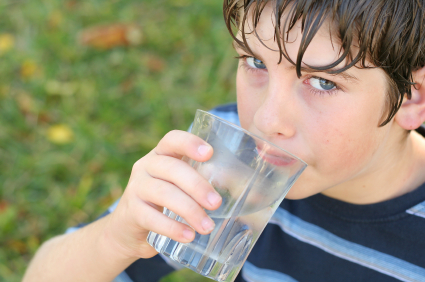
Image source — /21178966@N04/
Advantages of Drinking Hot Water
According to Ayurveda, warm water may suit people who experience Kapha-related symptoms, sluggish digestion and a feeling of heaviness. Traditionally, Ayurveda also recommends warm water in conditions such as Amavata, which shares some features with rheumatoid arthritis.
However, hot water should not replace appropriate medical treatment. Instead, think of it as a supportive daily habit that may complement a healthy lifestyle.
How Does Hot Water Work According to Ayurveda?
Ayurveda describes the body as a network of channels known as Srotas. When Doshas become imbalanced, these channels may develop disturbances or blockages, which Ayurveda associates with the development of various health problems.
Warm water may help maintain the proper movement of fluids through the body. Moreover, its warmth can support digestion and may help reduce the feeling of heaviness associated with excess Kapha.
Therefore, Ayurveda traditionally recommends warm water in situations where warmth and improved digestion may prove beneficial.
Hot Water Health Benefits
1. Supports Digestion
First of all, warm water can support comfortable digestion. It may be particularly useful when you feel heavy after meals or experience occasional digestive sluggishness.
2. May Help With Kapha-Related Congestion
Because of its warmth, hot water can feel soothing when you experience congestion, mucus and heaviness. Additionally, drinking warm fluids may provide temporary comfort during a cold or cough.
3. Soothes a Sore Throat
Warm water can provide soothing relief when your throat feels dry or irritated. Furthermore, sipping it slowly may help keep the throat comfortably hydrated.
4. Supports Respiratory Comfort
During a cold or mild respiratory infection, warm fluids can feel comforting and may help loosen mucus. However, they do not replace appropriate treatment when symptoms become severe or persistent.
5. May Help With Recurrent Colds
Some people find warm fluids particularly helpful during cold weather. In children, however, recurrent infections require proper medical evaluation rather than relying only on hot water.
6. Supports Healthy Digestion at Night
Drinking a small amount of comfortably warm water before bed may feel soothing after dinner. In addition, it can become part of a simple evening routine that supports hydration.
7. May Support Weight-Management Habits
Ayurveda traditionally uses warm water in certain approaches to Medo Dhatu (adipose tissue) management. However, drinking hot water alone does not burn body fat or prevent fat absorption.
For weight management, a balanced diet, regular physical activity, adequate sleep and appropriate medical guidance remain much more important.
8. Supports Urinary Comfort and Hydration
Adequate fluid intake helps maintain normal urinary function. Warm water can therefore contribute to daily hydration if you prefer it over cold water.
However, warm water should not be considered a treatment for urinary infections or bladder diseases.
9. May Feel Comforting During Fever
Warm or room-temperature fluids can help maintain hydration when you have a fever. Nevertheless, extremely hot water can irritate the mouth and throat, so always choose a comfortable temperature.
10. Traditionally Used in Amavata
Ayurvedic texts associate Amavata with Ama and Dosha imbalance. Warm water forms part of some traditional Ayurvedic approaches because it may support digestion and help reduce heaviness.
If you have joint pain, swelling or stiffness, especially if symptoms persist, consult a qualified healthcare professional for proper diagnosis and treatment.
Hot Water With Honey
Ayurvedic practices sometimes recommend warm water with honey in certain approaches to weight management and Kapha imbalance.
However, there is an important point to remember: honey should not be added to boiling-hot water. Allow the water to cool to a comfortably warm temperature before adding honey.
Also, honey does not make a drink a guaranteed weight-loss remedy. Your overall diet and lifestyle matter much more.
Who May Benefit From Drinking Warm Water?
Warm water may be especially comfortable for people who:
- Experience occasional digestive sluggishness
- Feel heavy after meals
- Have a Kapha-dominant constitution
- Experience occasional throat irritation
- Prefer warm fluids during cold weather
- Want a simple way to maintain hydration
Nevertheless, individual tolerance varies. What feels beneficial for one person may not suit another.
Precautions When Drinking Hot Water
Although warm water is generally easy to incorporate into your routine, very hot water can burn the mouth and throat. Therefore, always drink it at a comfortably warm temperature.
Also, drinking large amounts immediately before bed may disturb sleep because you may need to urinate during the night.
If you regularly experience burning sensations, excessive heat or strong acidity, you may find that very hot water does not suit you. From an Ayurvedic perspective, this may be more relevant for people with pronounced Pitta symptoms.
Finally, remember that hot water cannot replace medical treatment. If you have a persistent cough, breathing difficulty, fever, urinary symptoms, severe joint pain or another ongoing health problem, seek appropriate medical care.
The Ayurvedic Takeaway
Drinking comfortably warm water is a simple habit that may support digestion, hydration and comfort, particularly when you experience heaviness or Kapha-related symptoms.
However, there is no need to make the water excessively hot. In fact, comfortably warm water is a better choice than water that can burn the mouth or throat.
So, if warm water suits you, make it a simple part of your daily routine rather than treating it as a cure-all. Along with a balanced diet, healthy sleep and regular activity, it can become one small habit that supports overall wellbeing.

Hello!!
I’m Dr. Malini Bhat MD (Ayu); an Ayurvedic Doctor and a health blogger. Follow me on social media to get daily health tips which you can easily adapt to a healthy lifestyle.