agni

Ayurvedic Herbs for Better Digestion Naturally

Ayurvedic herbs for better digestion including ginger, ajwain, fennel, cumin and Triphala

Digestive health plays an important role in Ayurvedic wellness. Ayurvedic herbs for better digestion have traditionally been used to support Agni, the digestive fire responsible for transforming food into nourishment. When Agni functions efficiently, Ayurveda associates it with comfortable digestion, balanced appetite, and regular elimination.

However, irregular meals, overeating, stress, sedentary habits, and unsuitable food combinations may disturb digestive balance. As a result, some people may experience bloating, gas, heaviness, indigestion, or irregular bowel movements. Ayurveda approaches these concerns by considering the individual’s constitution, digestive strength, lifestyle, and the nature of the imbalance.

Several herbs and kitchen spices have long been included in Ayurvedic dietary practices to support digestive comfort. Here are some of the most well-known Ayurvedic herbs for better digestion.

Read more

Ajwain Benefits in Ayurveda: A Forgotten Kitchen Herb

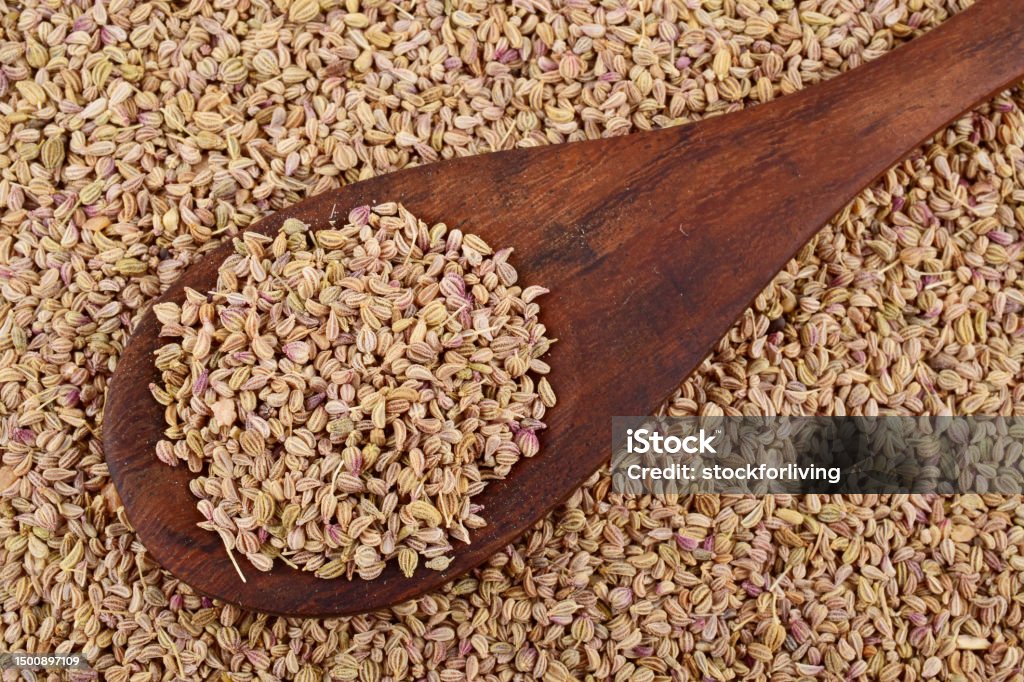
Ajwain may be a familiar ingredient in Indian kitchens, yet many people overlook its traditional importance in Ayurveda. Ajwain benefits in Ayurveda are closely connected with digestion, appetite, Agni, and the traditional management of heaviness and discomfort after meals. Although people often use these tiny aromatic seeds only as a spice, Ajwain has long held a valuable place in traditional kitchen remedies.

Known for its strong aroma and pungent taste, Ajwain can add warmth and intensity to food. More importantly, Ayurveda traditionally values Ajwain for its heating qualities and its ability to support healthy digestive function.

Read more

Bael Fruit in Ayurveda: Benefits, Uses & History

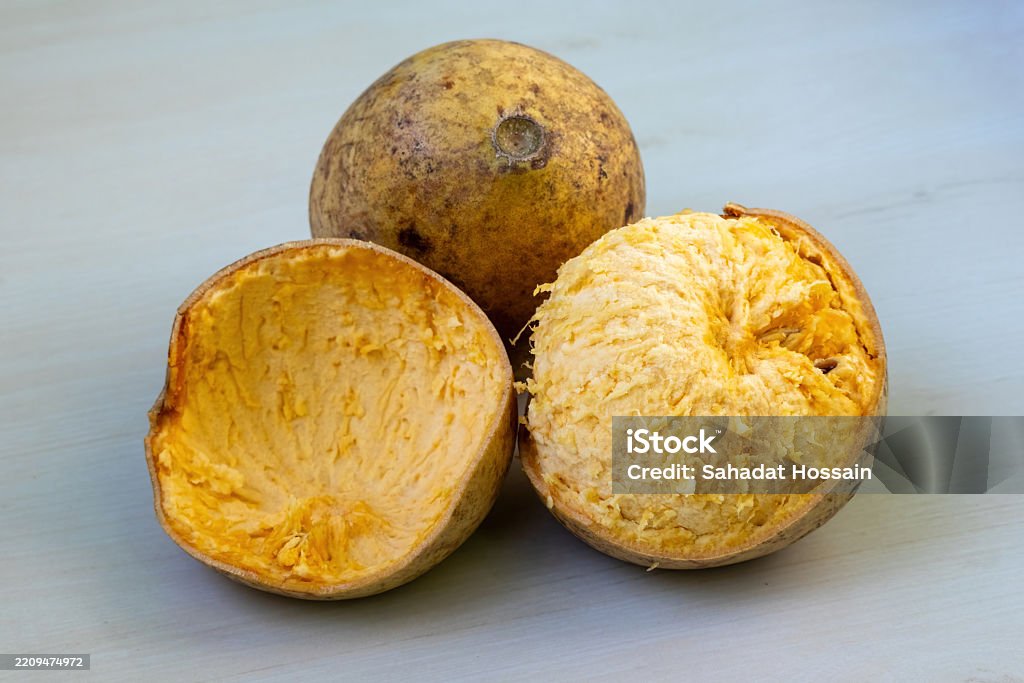
Bael fruit in Ayurveda has a long history as a valued fruit used for digestion, nourishment, and traditional wellness. Known botanically as Aegle marmelos, bael is also called Bilva in Sanskrit. Its hard shell, fragrant pulp, and distinctive taste make it very different from many fruits commonly found today.

Moreover, Ayurveda has traditionally valued different parts of the bael tree, including its fruit, leaves, roots, and bark. However, the ripe fruit receives particular attention for its nourishing and digestive qualities. Traditionally, people have enjoyed bael pulp as a fresh fruit, drink, or ingredient in Ayurvedic preparations.

As modern diets increasingly rely on processed foods, traditional fruits such as bael deserve renewed attention. Nevertheless, traditional use does not automatically prove that bael can treat or cure a medical condition.

Read more

Champaka in Ayurveda: Forgotten Ayurvedic Flowers

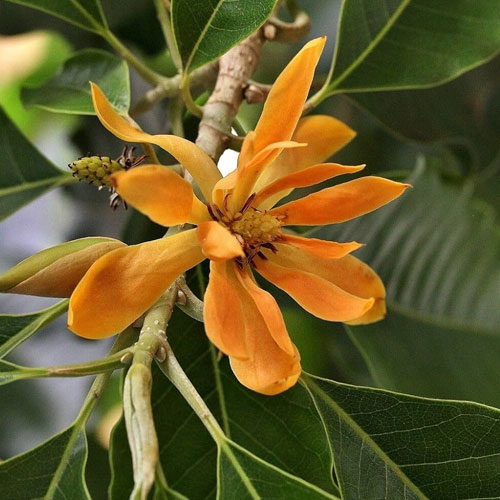
Champaka (Michelia champaca) is one of Ayurveda’s fragrant and culturally significant flowers. Known for its rich golden-yellow blooms and captivating aroma, Champaka has held an important place in traditional Indian wellness practices, perfumery, worship, and classical herbal traditions. Although modern life often overlooks this beautiful flower, Champaka in Ayurveda has a long history of traditional use.

Interestingly, Ayurveda does not view aromatic flowers merely as decorative plants. Instead, their fragrance, qualities, and traditional applications can form part of a broader approach to supporting balance and wellbeing. Therefore, Champaka deserves a place among the forgotten Ayurvedic flowers that continue to attract interest today.

Read more

Pippali for Digestion, Ama & Agni in Ayurveda

In Ayurveda, most diseases begin with Mandagni (weak digestive fire) and the accumulation of Ama (undigested metabolic toxins). Therefore, herbs that strengthen Agni without causing irritation are considered extremely valuable. Pippali (Piper longum), or long pepper, is one such herb. Unlike harsh digestive stimulants, Pippali works gently yet deeply. As a result, it improves digestion, enhances nutrient absorption, and clears Ama …

Read more

Forgotten Trees of Ayurveda: Palasha

Forgotten Trees of Ayurveda Palasha introduces us to Palasha (Butea monosperma), a remarkable tree that holds an important place in traditional Ayurvedic practice. Known for its striking orange-red flowers, Palasha has served Ayurveda for centuries. In addition, traditional practitioners have used different parts of the tree, including its bark, flowers, seeds, leaves, and gum, for various purposes.

Today, Palasha often receives less attention than popular Ayurvedic herbs such as Ashwagandha, Tulsi, and Turmeric. However, this traditional tree deserves recognition because of its diverse uses and rich history. Therefore, exploring Palasha helps us understand how Ayurveda has traditionally worked with the natural world.

Read more