medicinal trees

Forgotten Trees of Ayurveda: Rohitaka

Rohitaka holds an interesting place among the Forgotten Trees of Ayurveda. Traditionally identified with Tecomella undulata, this beautiful flowering tree has a long history of use in Ayurvedic medicine. In particular, classical Ayurvedic traditions associate Rohitaka with conditions involving the liver, spleen, blood, and Pitta-related disturbances.

Although modern herbal discussions often focus on more familiar plants, Rohitaka deserves attention because of its distinctive traditional applications. Moreover, Ayurvedic practitioners have traditionally valued its bark and other plant parts in carefully prepared formulations.

Read more

Forgotten Trees of Ayurveda: Saptaparni

Forgotten Trees of Ayurveda Saptaparni introduces us to a remarkable tree that has held an important place in traditional Indian medicine. Known botanically as Alstonia scholaris, Saptaparni belongs to the Apocynaceae family. It is a tall evergreen tree that grows across several parts of India and other tropical regions of Asia.

Although modern wellness conversations often focus on popular herbs such as Ashwagandha, Turmeric, and Guduchi, Ayurveda also values many trees that receive far less attention today. Saptaparni is one such tree. Traditionally, Ayurvedic practitioners used different parts of the plant, particularly the bark and leaves, in carefully prepared formulations.

Moreover, its bitter nature gives Saptaparni an interesting place within Ayurvedic herbal knowledge.

Read more

Forgotten Trees of Ayurveda: Ashoka

Forgotten Trees of Ayurveda Ashoka brings attention to one of India’s most respected traditional medicinal trees. Known botanically as Saraca asoca, Ashoka has a long history in Ayurveda and Indian culture. Its beautiful orange-red flowers make it visually striking, while its bark has earned an important place in traditional Ayurvedic formulations.

For centuries, Ayurvedic practitioners have associated Ashoka particularly with women’s health. Traditional preparations containing Ashoka have been used to support healthy menstrual cycles, reproductive wellness, and normal uterine function. However, Ashoka represents much more than a women’s wellness herb. Its traditional properties also connect it with digestion, skin health, and the body’s natural balance.

Today, many people recognize Ashoka mainly because of Ashoka-based Ayurvedic formulations. Nevertheless, the tree itself deserves attention as an important part of India’s traditional botanical heritage.

Read more

Forgotten Trees of Ayurveda: Palasha

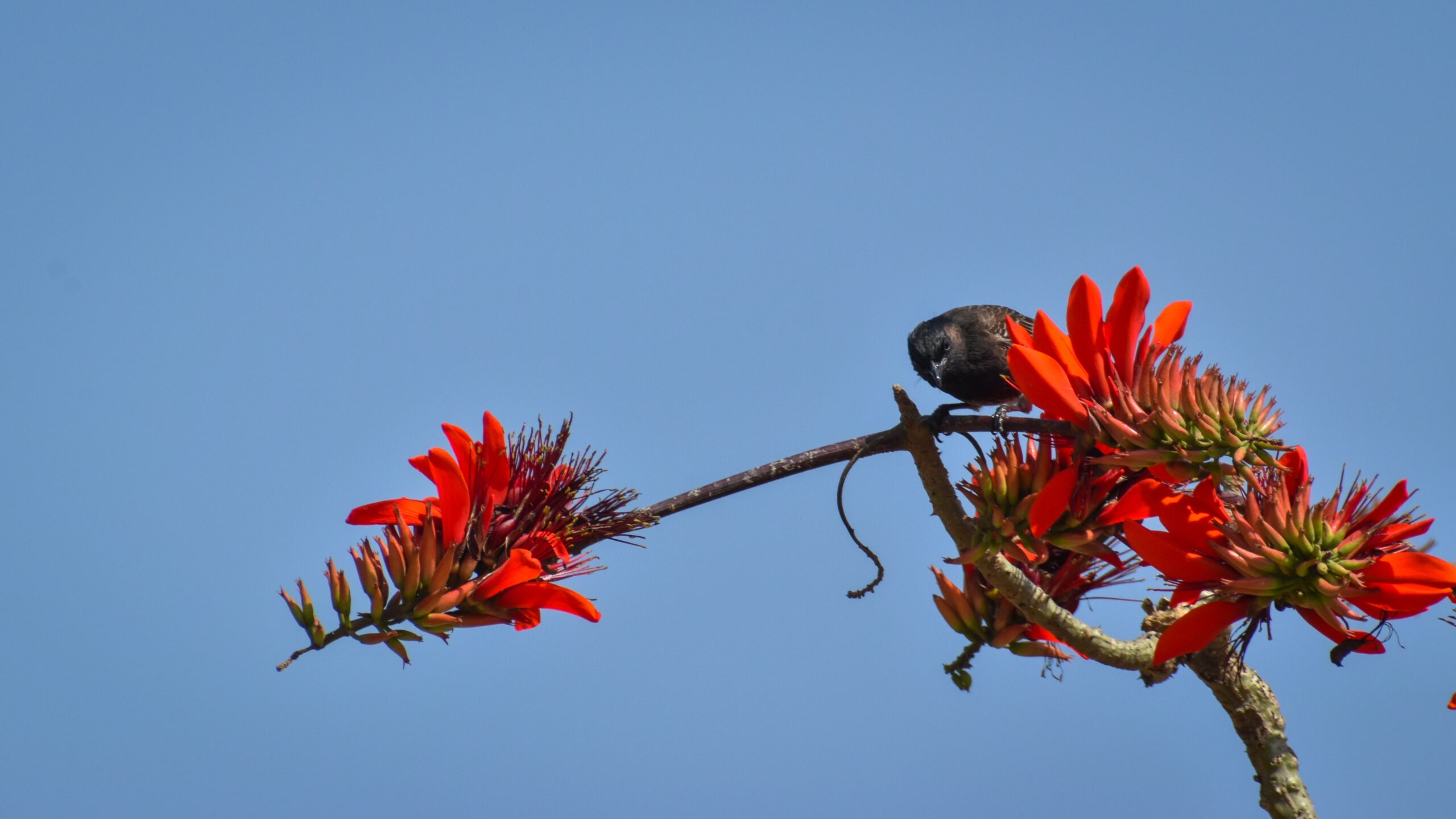
Forgotten Trees of Ayurveda Palasha introduces us to Palasha (Butea monosperma), a remarkable tree that holds an important place in traditional Ayurvedic practice. Known for its striking orange-red flowers, Palasha has served Ayurveda for centuries. In addition, traditional practitioners have used different parts of the tree, including its bark, flowers, seeds, leaves, and gum, for various purposes.

Today, Palasha often receives less attention than popular Ayurvedic herbs such as Ashwagandha, Tulsi, and Turmeric. However, this traditional tree deserves recognition because of its diverse uses and rich history. Therefore, exploring Palasha helps us understand how Ayurveda has traditionally worked with the natural world.

Read more

Forgotten Trees of Ayurveda: Khadira

Forgotten Trees of Ayurveda Khadira takes us back to one of Ayurveda’s most valued traditional medicinal trees. Known botanically as Acacia catechu, Khadira has held an important place in Ayurvedic practice for generations. Traditionally, practitioners have used its heartwood, bark, and other parts in various preparations.

Moreover, Ayurveda particularly values Khadira for its astringent qualities and its traditional connection with skin health, oral care, and Kapha-Pitta balance. Although many modern wellness discussions focus on popular herbs, traditional trees such as Khadira deserve attention too.

Read more