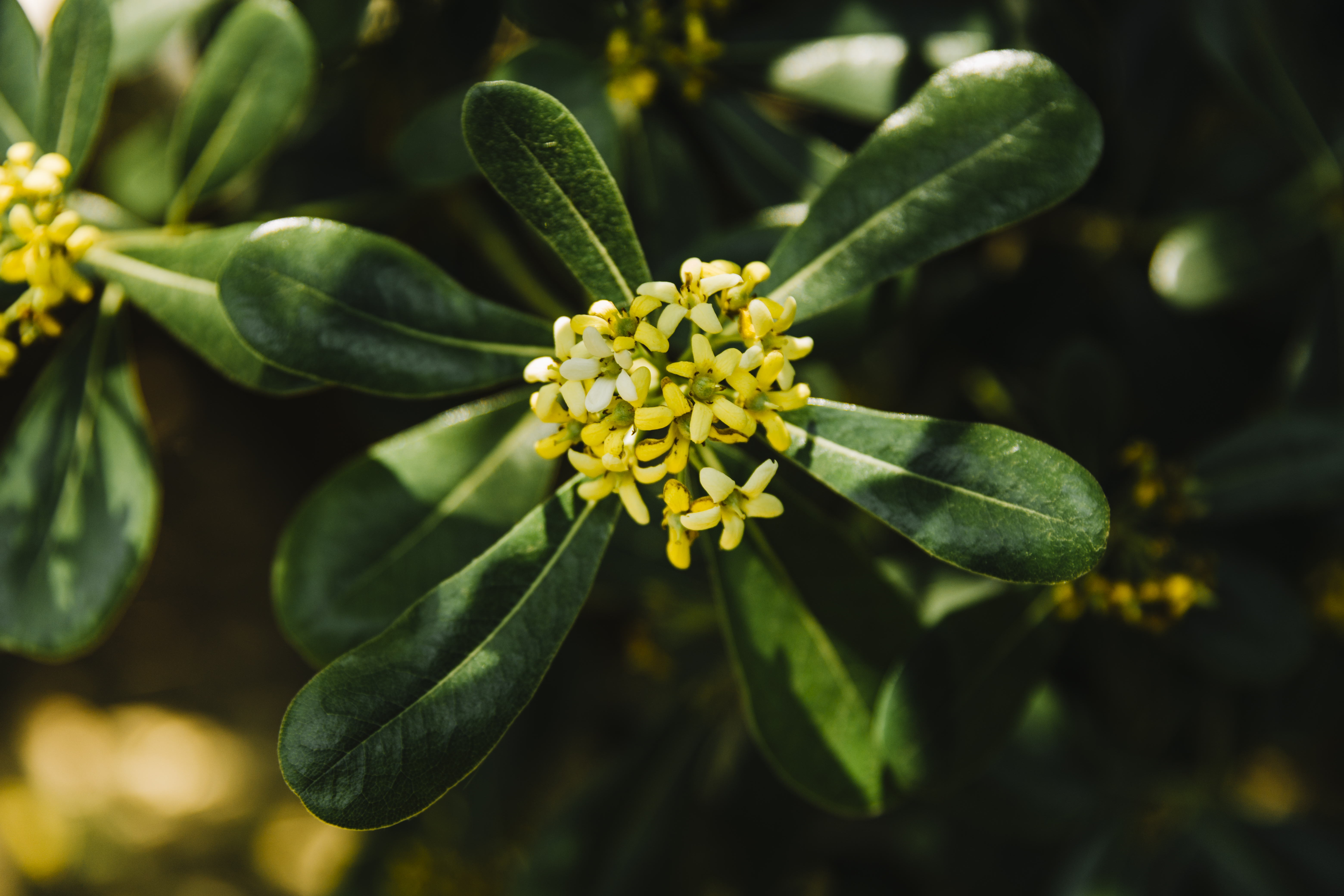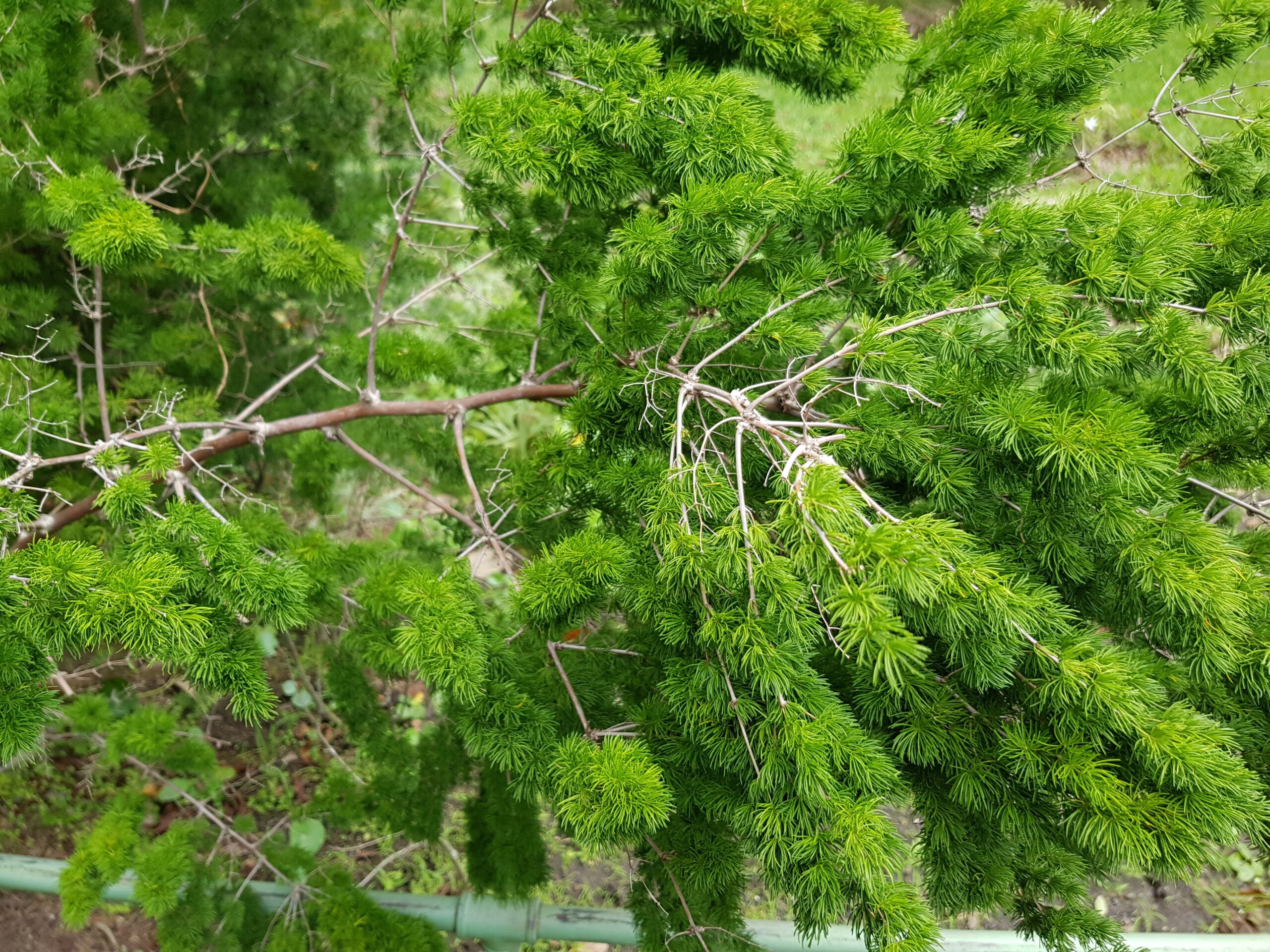
Forgotten Trees of Ayurveda Devadaru brings attention to one of the most respected aromatic trees in traditional Ayurvedic medicine. Known botanically as Cedrus deodara, Devadaru has long been valued for its fragrant wood, warming qualities, and traditional applications.
In Sanskrit, Devadaru means “wood of the gods.” This name reflects the tree’s long-standing cultural and medicinal importance. Moreover, Ayurveda traditionally associates Devadaru with qualities that help manage Vata and Kapha imbalances.
Although modern herbal discussions often focus on more familiar plants, Devadaru deserves renewed attention. Its aromatic nature, warming energy, and traditional uses make it an interesting tree to rediscover.

Hello!!
I’m Dr. Malini Bhat MD (Ayu); an Ayurvedic Doctor and a health blogger. Follow me on social media to get daily health tips which you can easily adapt to a healthy lifestyle.