Forgotten Trees of Ayurveda

Forgotten Trees of Ayurveda: Nimba (Neem) — The Bitter Pharmacological Powerhouse

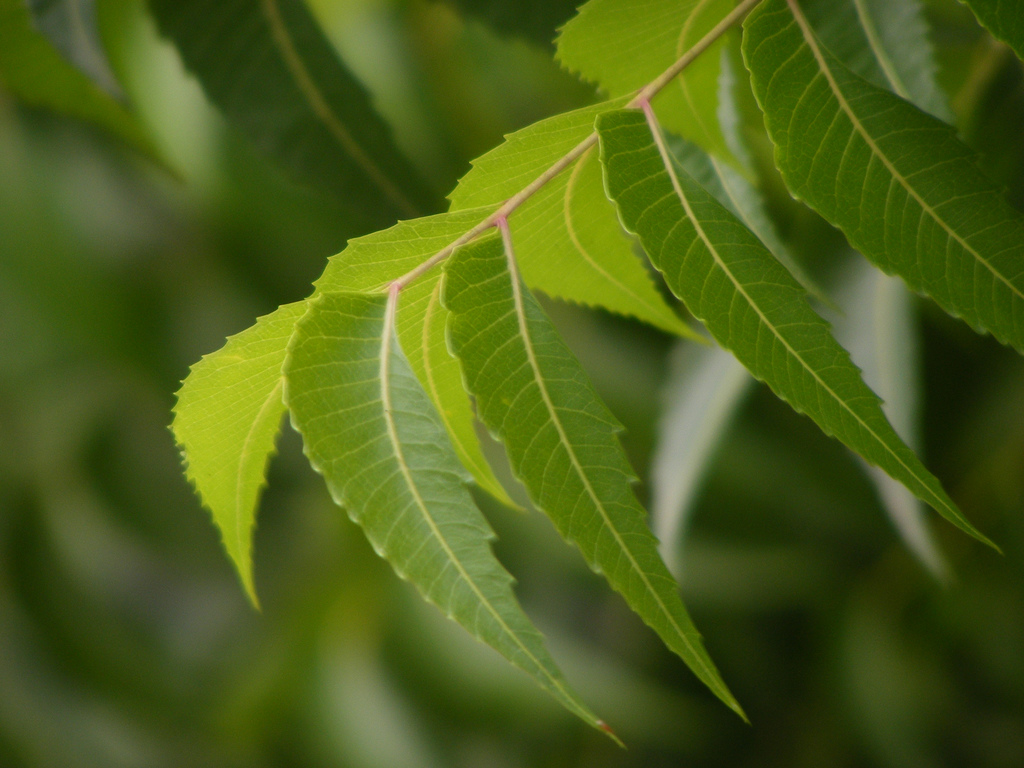
Among the medicinal trees described in Ayurveda, Nimba in Ayurveda occupies a particularly interesting position. Known today as Neem, Nimba refers botanically to Azadirachta indica A.Juss., a member of the Meliaceae family. Although modern wellness culture often reduces Neem to a simple “detox” or “skin-cleansing” herb, classical Ayurveda presents a much more sophisticated picture. Nimba has a distinctly bitter profile and traditionally enters therapeutic reasoning around Pitta, Kapha, Rakta, skin disorders, inflammation, and krimi.

Modern phytochemical research makes Nimba even more fascinating. Scientists have identified numerous limonoids, flavonoids, phenolic compounds, terpenoids, fatty acids, and other secondary metabolites across different parts of the plant. Researchers have also investigated these compounds for antimicrobial, anti-inflammatory, antioxidant, metabolic, insecticidal, and other biological activities. However, laboratory activity does not automatically translate into clinical effectiveness, so Nimba deserves a balanced scientific interpretation rather than exaggerated claims.

Read more

Forgotten Trees of Ayurveda: Rohitaka

Rohitaka holds an interesting place among the Forgotten Trees of Ayurveda. Traditionally identified with Tecomella undulata, this beautiful flowering tree has a long history of use in Ayurvedic medicine. In particular, classical Ayurvedic traditions associate Rohitaka with conditions involving the liver, spleen, blood, and Pitta-related disturbances.

Although modern herbal discussions often focus on more familiar plants, Rohitaka deserves attention because of its distinctive traditional applications. Moreover, Ayurvedic practitioners have traditionally valued its bark and other plant parts in carefully prepared formulations.

Read more

Forgotten Trees of Ayurveda: Bakula

Forgotten Trees of Ayurveda Bakula introduces us to Bakula (Mimusops elengi), a beautiful evergreen tree that has held a respected place in traditional Ayurvedic practice. Known for its fragrant flowers, dense foliage, and small fruits, Bakula has been valued not only as an ornamental tree but also for its medicinal properties.

In Ayurveda, different parts of Bakula, particularly the bark, flowers, fruits, and seeds, have traditionally found applications in various formulations. Most importantly, Ayurveda has long associated Bakula with oral health and the strengthening of teeth and gums.

Today, however, many people know the tree mainly for its attractive flowers and fragrance. Therefore, exploring Bakula helps us rediscover another remarkable plant from India’s traditional healing heritage.

Read more

Forgotten Trees of Ayurveda: Vijaysar

Forgotten Trees of Ayurveda Vijaysar introduces us to a remarkable medicinal tree that has held an important place in traditional Ayurvedic practice for centuries. Known botanically as Pterocarpus marsupium, Vijaysar is also called Indian Kino or Malabar Kino.

Ayurvedic practitioners have traditionally valued the tree’s heartwood, bark, resin, and other parts for different therapeutic purposes. In particular, traditional Ayurvedic knowledge associates Vijaysar with Kapha and Pitta balance, healthy metabolism, digestion, and urinary wellness.

Although Vijaysar does not receive the same attention as popular Ayurvedic herbs today, it remains an important part of India’s traditional botanical heritage.

Read more

Forgotten Trees of Ayurveda: Devadaru

Forgotten Trees of Ayurveda Devadaru brings attention to one of the most respected aromatic trees in traditional Ayurvedic medicine. Known botanically as Cedrus deodara, Devadaru has long been valued for its fragrant wood, warming qualities, and traditional applications.

In Sanskrit, Devadaru means “wood of the gods.” This name reflects the tree’s long-standing cultural and medicinal importance. Moreover, Ayurveda traditionally associates Devadaru with qualities that help manage Vata and Kapha imbalances.

Although modern herbal discussions often focus on more familiar plants, Devadaru deserves renewed attention. Its aromatic nature, warming energy, and traditional uses make it an interesting tree to rediscover.

Read more

Forgotten Trees of Ayurveda: Saptaparni

Forgotten Trees of Ayurveda Saptaparni introduces us to a remarkable tree that has held an important place in traditional Indian medicine. Known botanically as Alstonia scholaris, Saptaparni belongs to the Apocynaceae family. It is a tall evergreen tree that grows across several parts of India and other tropical regions of Asia.

Although modern wellness conversations often focus on popular herbs such as Ashwagandha, Turmeric, and Guduchi, Ayurveda also values many trees that receive far less attention today. Saptaparni is one such tree. Traditionally, Ayurvedic practitioners used different parts of the plant, particularly the bark and leaves, in carefully prepared formulations.

Moreover, its bitter nature gives Saptaparni an interesting place within Ayurvedic herbal knowledge.

Read more