ayurveda herbs

Forgotten Ayurvedic Flowers: Karnikara

Flowers have always held a special place in Ayurveda. Beyond their beauty and fragrance, traditional Ayurvedic texts recognised several flowers for their distinctive qualities and therapeutic potential. Karnikara in Ayurveda represents one such lesser-known botanical treasure. Today, however, this beautiful flowering tree remains far less familiar than popular Ayurvedic flowers such as lotus, jasmine, and hibiscus.

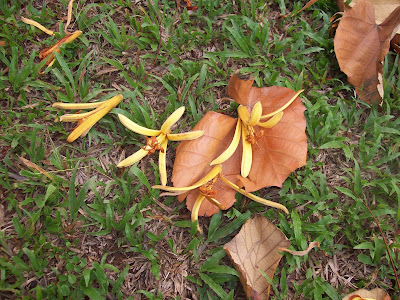
Karnikara is commonly identified with Pterospermum acerifolium (L.) Willd., a flowering tree also known by names such as Muchkunda and Kanak Champa. Modern botanical sources place it in the family Malvaceae.

Its fragrant flowers, large leaves, and traditional medicinal significance make Karnikara an interesting addition to the Forgotten Ayurvedic Flowers series.

Read more

Forgotten Ayurvedic Flowers: Jasmine

Introduction

Jasmine in Ayurveda has a long history as a fragrant flower valued for more than its beautiful aroma. Ayurveda traditionally uses jasmine flowers, leaves, and oil in various preparations for skin care, relaxation, and general wellness. Moreover, its cooling and soothing qualities make jasmine particularly interesting from an Ayurvedic perspective.

Known for its delicate white flowers and sweet fragrance, jasmine has also played an important role in traditional Indian culture. However, its medicinal value deserves equal attention. Traditional Ayurvedic practices associate jasmine with soothing qualities that may support the skin, senses, and mind.

Read more

Parijata: Forgotten Ayurvedic Flower

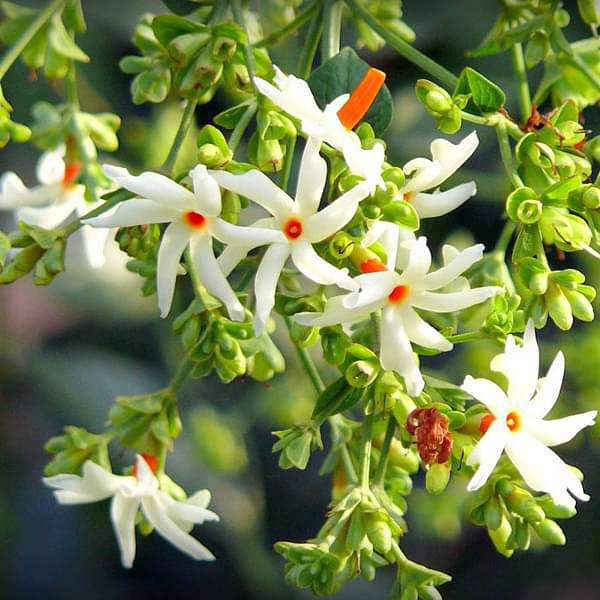
Parijata, also known as Nyctanthes arbor-tristis, is one of Ayurveda’s cherished flowering plants. Although its delicate white flowers often fall to the ground before sunrise, this fragrant tree has a long history in traditional Indian medicine. Ayurveda uses different parts of Parijata, including its leaves, flowers, bark, and seeds, in traditional preparations.

Today, many people know Parijata mainly for its beautiful flowers and spiritual significance. However, its traditional medicinal value deserves equal attention. In Ayurveda, practitioners have traditionally explored Parijata for supporting respiratory health, digestion, joint comfort, and overall balance.

Read more

Forgotten Ayurvedic Flowers: Nagakesara – The Fragrant Flower of Traditional Healing

Among the many fragrant plants mentioned in classical Ayurvedic traditions, Nagakesara holds a distinctive place. Although modern wellness discussions often focus on popular herbs, several valuable flowers remain relatively unfamiliar. Therefore, the Forgotten Ayurvedic Flowers Nagakesara series brings attention to these traditional botanical treasures and explores their historical Ayurvedic significance.

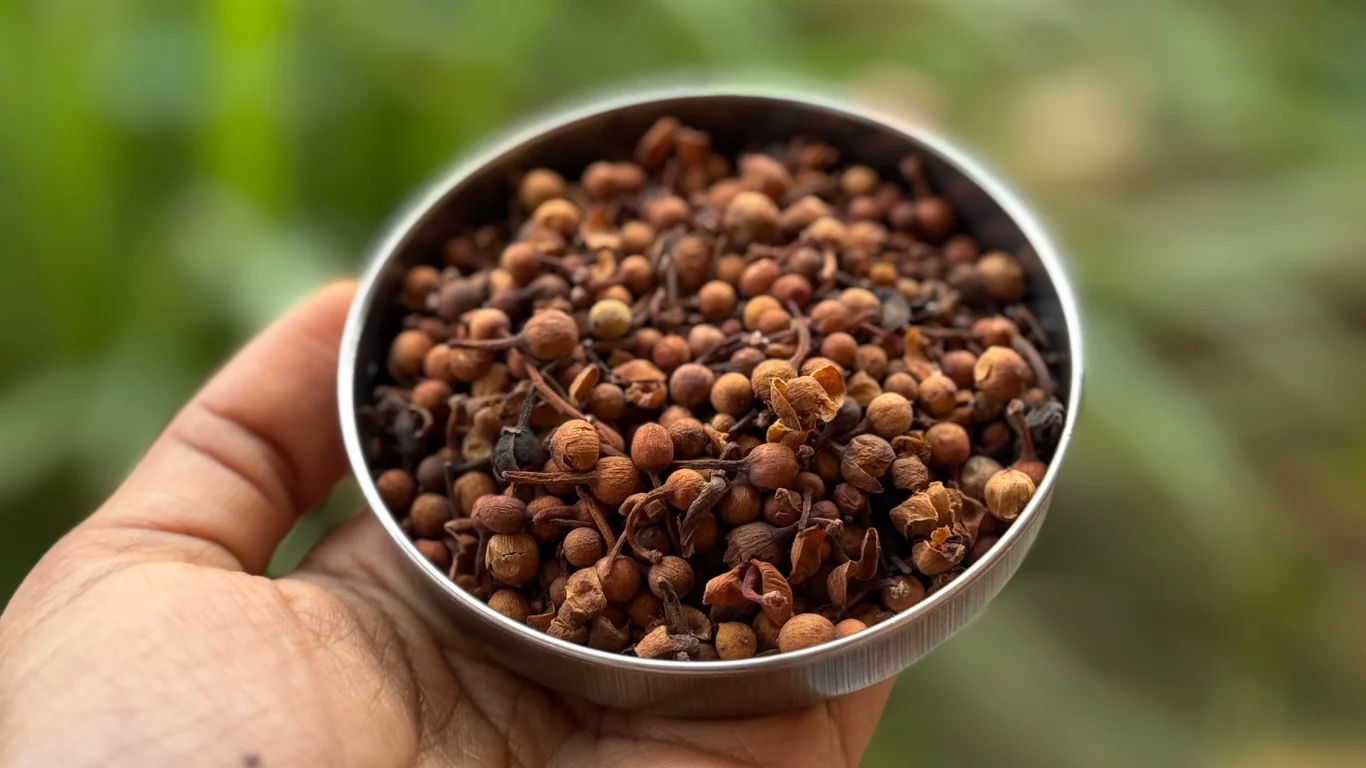
Nagakesara refers primarily to the dried stamens of Mesua ferrea, a beautiful evergreen tree known for its fragrant white flowers. In Ayurveda, practitioners have traditionally valued Nagakesara for its Kashaya (astringent) and aromatic qualities. Moreover, classical traditions associate it with digestive support, Pitta-related conditions, and certain types of excessive bleeding.

Read more

Forgotten Trees of Ayurveda: Bakula

Forgotten Trees of Ayurveda Bakula introduces us to Bakula (Mimusops elengi), a beautiful evergreen tree that has held a respected place in traditional Ayurvedic practice. Known for its fragrant flowers, dense foliage, and small fruits, Bakula has been valued not only as an ornamental tree but also for its medicinal properties.

In Ayurveda, different parts of Bakula, particularly the bark, flowers, fruits, and seeds, have traditionally found applications in various formulations. Most importantly, Ayurveda has long associated Bakula with oral health and the strengthening of teeth and gums.

Today, however, many people know the tree mainly for its attractive flowers and fragrance. Therefore, exploring Bakula helps us rediscover another remarkable plant from India’s traditional healing heritage.

Read more

Herbs and Spices for a Gentle Ayurvedic Detox

A gentle Ayurvedic detox focuses on supporting the body’s natural cleansing systems rather than forcing harsh elimination. In Ayurveda, detoxification is not about starvation or extreme cleansing. Instead, it is about removing Ama (toxins formed from poor digestion) while strengthening digestion at the same time. Because of this, Ayurveda recommends simple herbs and kitchen spices that work slowly and safely. Over …

Read more