Ayurvedic plants

Forgotten Ayurvedic Flowers: Ketaki – The Fragrant Flower of Ayurveda

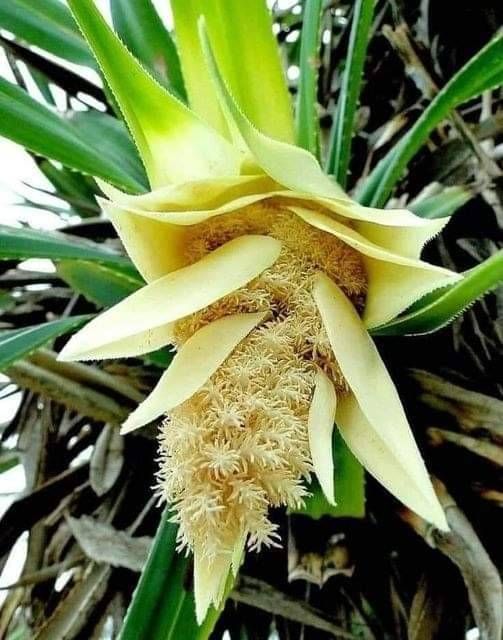
Ketaki, traditionally known as Ketakī (केतकी) and botanically identified as Pandanus odorifer, is one of the fragrant flowers mentioned in India’s traditional literature. Its distinctive aroma, unusual appearance, and traditional uses have given it a special place in Ayurveda and Indian culture. Although modern gardens often overlook it, Ketaki in Ayurvedarepresents another fascinating example of how fragrant flowers once played a role in traditional wellness practices.

Unlike common garden flowers, Ketaki grows on a spiny, shrub-like plant with long, narrow leaves. Its strongly scented flowers have traditionally attracted attention for their fragrance as well as their medicinal qualities. Moreover, classical Indian traditions associate Ketaki with perfumery, religious practices, and traditional medicine.

Read more

Kovidara Flower: Forgotten Ayurvedic Flower

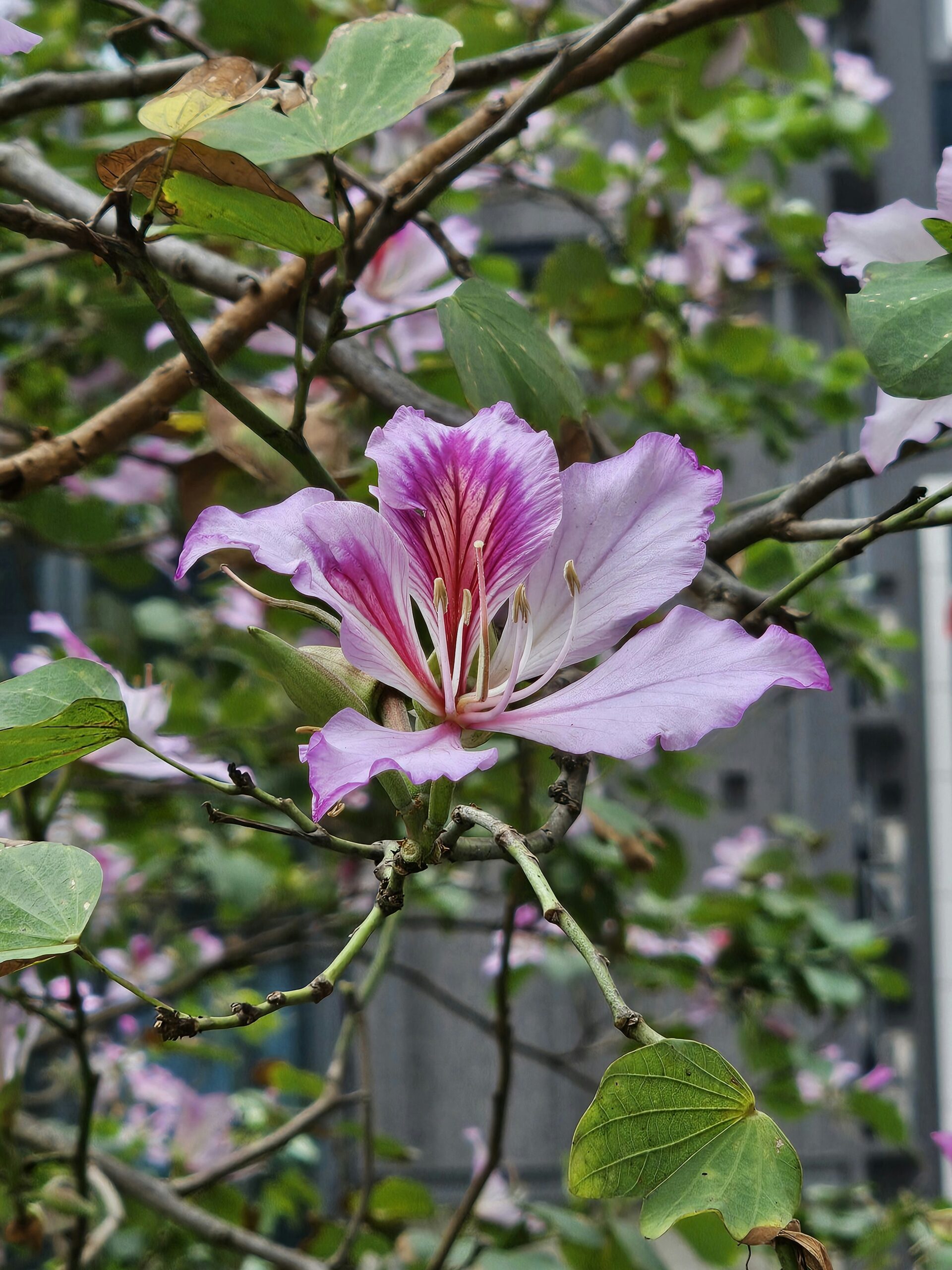
Kovidara is one of the lesser-known flowers mentioned in traditional Ayurvedic literature. While modern wellness conversations often focus on familiar herbs such as Ashwagandha, Tulsi, and Brahmi, classical Ayurveda also recognized the value of flowering trees and their different plant parts.

The Kovidara flower, associated with the Kovidara tree, holds an interesting place in traditional Indian medicine and culture. Its delicate flowers have traditionally been used in certain Ayurvedic practices, particularly in formulations and dietary preparations. However, its use requires proper identification and appropriate guidance.

Read more

Champaka in Ayurveda: Forgotten Ayurvedic Flowers

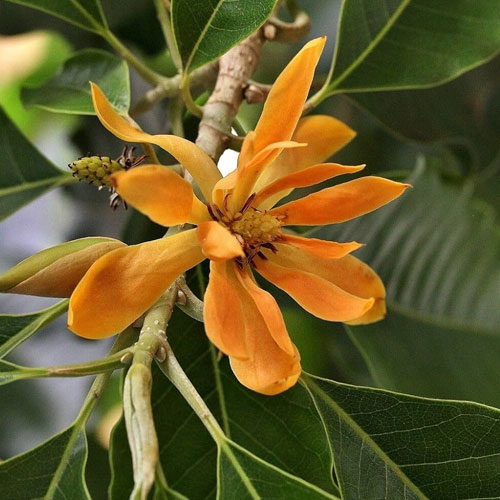
Champaka (Michelia champaca) is one of Ayurveda’s fragrant and culturally significant flowers. Known for its rich golden-yellow blooms and captivating aroma, Champaka has held an important place in traditional Indian wellness practices, perfumery, worship, and classical herbal traditions. Although modern life often overlooks this beautiful flower, Champaka in Ayurveda has a long history of traditional use.

Interestingly, Ayurveda does not view aromatic flowers merely as decorative plants. Instead, their fragrance, qualities, and traditional applications can form part of a broader approach to supporting balance and wellbeing. Therefore, Champaka deserves a place among the forgotten Ayurvedic flowers that continue to attract interest today.

Read more

Parijata: Forgotten Ayurvedic Flower

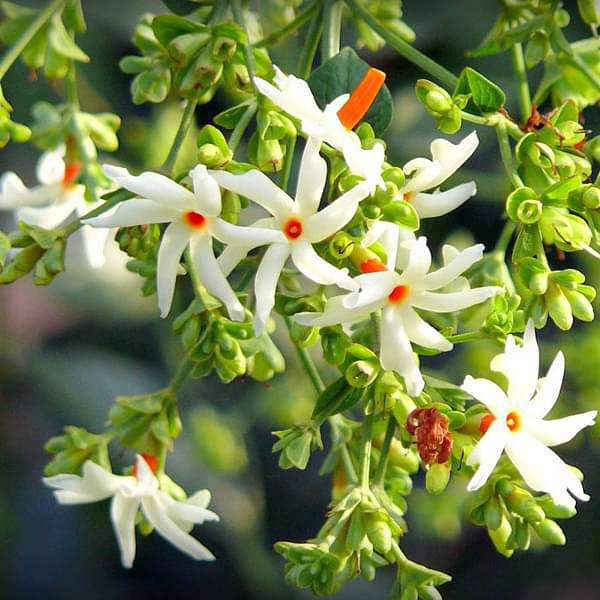
Parijata, also known as Nyctanthes arbor-tristis, is one of Ayurveda’s cherished flowering plants. Although its delicate white flowers often fall to the ground before sunrise, this fragrant tree has a long history in traditional Indian medicine. Ayurveda uses different parts of Parijata, including its leaves, flowers, bark, and seeds, in traditional preparations.

Today, many people know Parijata mainly for its beautiful flowers and spiritual significance. However, its traditional medicinal value deserves equal attention. In Ayurveda, practitioners have traditionally explored Parijata for supporting respiratory health, digestion, joint comfort, and overall balance.

Read more