Ketaki, traditionally known as Ketakī (केतकी) and botanically identified as Pandanus odorifer, is one of the fragrant flowers mentioned in India’s traditional literature. Its distinctive aroma, unusual appearance, and traditional uses have given it a special place in Ayurveda and Indian culture. Although modern gardens often overlook it, Ketaki in Ayurvedarepresents another fascinating example of how fragrant flowers once played a role in traditional wellness practices.
Unlike common garden flowers, Ketaki grows on a spiny, shrub-like plant with long, narrow leaves. Its strongly scented flowers have traditionally attracted attention for their fragrance as well as their medicinal qualities. Moreover, classical Indian traditions associate Ketaki with perfumery, religious practices, and traditional medicine.
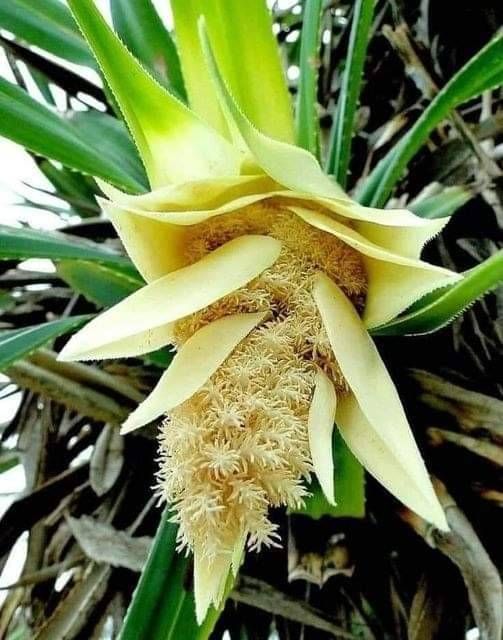
Ketaki in Ayurveda
In traditional Ayurvedic literature, Ketaki appears among aromatic and medicinal plants. Ayurveda considers the properties of a plant according to its rasa, guna, virya, vipaka, and effects on the doshas.
Traditional descriptions associate Ketaki with properties that may support certain Kapha and Vata-related imbalances. However, the exact interpretation can vary according to the classical source, plant part, preparation, and method of use.
Furthermore, traditional practitioners did not necessarily use every part of the plant in the same way. Flowers, roots, leaves, and other parts could have different applications.
Therefore, identifying the correct botanical species remains important when discussing Ketaki in Ayurveda.
Traditional Uses of Ketaki Flower
Historically, Ketaki flowers have been valued primarily for their fragrance. The flowers can provide aromatic material used in traditional perfumery and preparations.
Traditional uses associated with Ketaki include:
- Aromatic preparations
- Traditional perfumery
- Fragrant floral extracts
- Cultural and ceremonial applications
- Traditional formulations involving specific plant parts
Because traditional Ayurvedic preparations can vary considerably, people should not assume that every traditional use applies to the flower itself.
Ketaki and Digestive Traditions
Traditional herbal practices have associated aromatic plants with digestive support. Ketaki has also appeared in traditional contexts involving digestion and related complaints.
Aromatic substances have historically been appreciated for their ability to stimulate the senses and support digestive comfort. However, scientific evidence specifically establishing Ketaki flower as an effective digestive treatment remains limited.
Consequently, Ketaki should be understood primarily within its traditional context rather than as a clinically proven treatment.
Ketaki and Fragrance
One of the most remarkable qualities of Ketaki is its intense fragrance.
The flowers have traditionally provided material for producing kewda attar and aromatic extracts. These fragrant preparations have been used in perfumery, traditional beverages, sweets, and cultural practices.
Because of its strong natural aroma, Ketaki demonstrates how Ayurveda and traditional Indian culture often viewed plants from several perspectives at once—medicinal, aromatic, culinary, and cultural.
Ketaki and Dosha Considerations
Ayurveda uses the concept of Vata, Pitta, and Kapha to understand physiological balance.
Traditional descriptions of aromatic plants often connect them with particular doshic effects. However, the effect of Ketaki can depend on factors such as the plant part, preparation, quantity, season, and individual constitution.
Therefore, it would be inappropriate to claim that Ketaki universally balances one particular dosha.
Instead, Ayurvedic practitioners traditionally consider the complete picture, including prakriti, vikriti, agni, age, digestion, and other individual factors, before recommending a medicinal plant.
Ketaki in Indian Culture
Ketaki has an interesting place in Indian cultural traditions.
The flower’s unusual appearance and strong fragrance have inspired references in Sanskrit literature and traditional stories. At the same time, Ketaki has also become associated with regional perfumery traditions, particularly through the fragrant kewda extract.
However, Ketaki also carries an unusual religious association. A well-known Hindu legend involving Lord Shiva explains why the Ketaki flower is traditionally not offered in Shiva worship. This cultural story has contributed to the flower’s distinctive place in Indian tradition.
Thus, Ketaki is more than an aromatic flower. It represents the intersection of Ayurveda, botany, mythology, perfumery, and Indian cultural history.
Kewda and Ketaki: Are They the Same?
The names can sometimes create confusion.
Ketaki generally refers to Pandanus odorifer, while kewda commonly refers to the fragrant flower and its products derived from the plant.
Depending on the region, however, common names can differ. Therefore, botanical identification provides a more reliable way to distinguish the plant.
This distinction becomes especially important when researching Ayurvedic herbs and flowers because the same local name can sometimes refer to different plants.
What Modern Research Says About Ketaki
Modern scientific research has investigated different species of Pandanus and various plant extracts for their phytochemical and biological properties. Researchers have reported the presence of several types of naturally occurring compounds in different parts of the plant.
However, research specifically confirming the traditional medicinal benefits of Ketaki flower remains limited.
Therefore, traditional Ayurvedic claims should not automatically be interpreted as clinically established medical treatments. More research would help clarify the safety, active compounds, dosage, and therapeutic potential of Ketaki.
Why Ketaki Deserves to Be Remembered
Today, many people recognize flowers such as jasmine, lotus, rose, and hibiscus. Ketaki, however, receives considerably less attention outside regional traditions.
Yet, its history makes it worth remembering.
Ketaki connects several layers of India’s traditional knowledge:
- Ayurveda – through traditional medicinal references
- Botany – through its distinctive Pandanus species
- Perfumery – through fragrant kewda extracts
- Literature – through references to its fragrance and appearance
- Culture – through its association with traditional stories and rituals
Moreover, studying flowers such as Ketaki reminds us that Ayurvedic knowledge extends far beyond the herbs commonly discussed today.
How Ketaki Fits Into the Forgotten Ayurvedic Flowers Series
The history of Ayurveda includes numerous flowers and plants that modern audiences rarely encounter.
Ketaki is one of these forgotten Ayurvedic flowers. Its importance does not depend solely on whether modern medicine confirms every traditional claim. Instead, its value also lies in understanding how earlier generations observed plants, classified their properties, used their fragrances, and incorporated them into everyday life.
By revisiting Ketaki, we can therefore explore a lesser-known part of India’s botanical and Ayurvedic heritage.
Final Thoughts
Ketaki is a fascinating example of a traditional Indian flower whose identity extends beyond its fragrance. Known for its distinctive appearance and powerful aroma, the plant has connections with Ayurveda, traditional perfumery, literature, mythology, and regional culture.
Although modern scientific research has not yet established all of its traditional medicinal applications, Ketaki remains an important plant for understanding India’s historical relationship with medicinal and aromatic plants.
Sometimes, remembering Ayurveda’s forgotten flowers does not mean finding a new remedy. Instead, it means rediscovering the knowledge, stories, and traditions that surrounded plants for centuries.
Disclaimer
This article is provided for educational and informational purposes only. It discusses Ketaki from the perspective of traditional Ayurvedic knowledge and cultural history. Traditional uses should not be considered proven medical treatments. Do not consume Ketaki or use concentrated extracts as medicine without guidance from a qualified Ayurvedic practitioner or healthcare professional. Pregnant or breastfeeding individuals, children, and people taking medicines should seek professional advice before using herbal preparations.

Hello!!
I’m Dr. Malini Bhat MD (Ayu); an Ayurvedic Doctor and a health blogger. Follow me on social media to get daily health tips which you can easily adapt to a healthy lifestyle.