Traditional Ayurveda

Forgotten Ayurvedic Flowers: Ketaki – The Fragrant Flower of Ayurveda

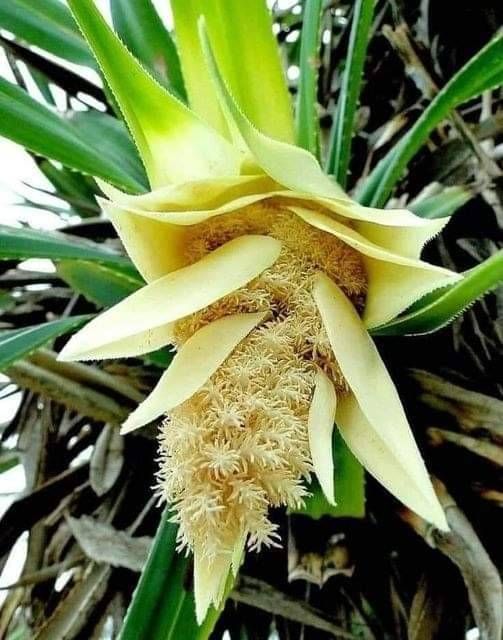
Ketaki, traditionally known as Ketakī (केतकी) and botanically identified as Pandanus odorifer, is one of the fragrant flowers mentioned in India’s traditional literature. Its distinctive aroma, unusual appearance, and traditional uses have given it a special place in Ayurveda and Indian culture. Although modern gardens often overlook it, Ketaki in Ayurvedarepresents another fascinating example of how fragrant flowers once played a role in traditional wellness practices.

Unlike common garden flowers, Ketaki grows on a spiny, shrub-like plant with long, narrow leaves. Its strongly scented flowers have traditionally attracted attention for their fragrance as well as their medicinal qualities. Moreover, classical Indian traditions associate Ketaki with perfumery, religious practices, and traditional medicine.

Read more

Forgotten Ayurvedic Flowers: Lotus

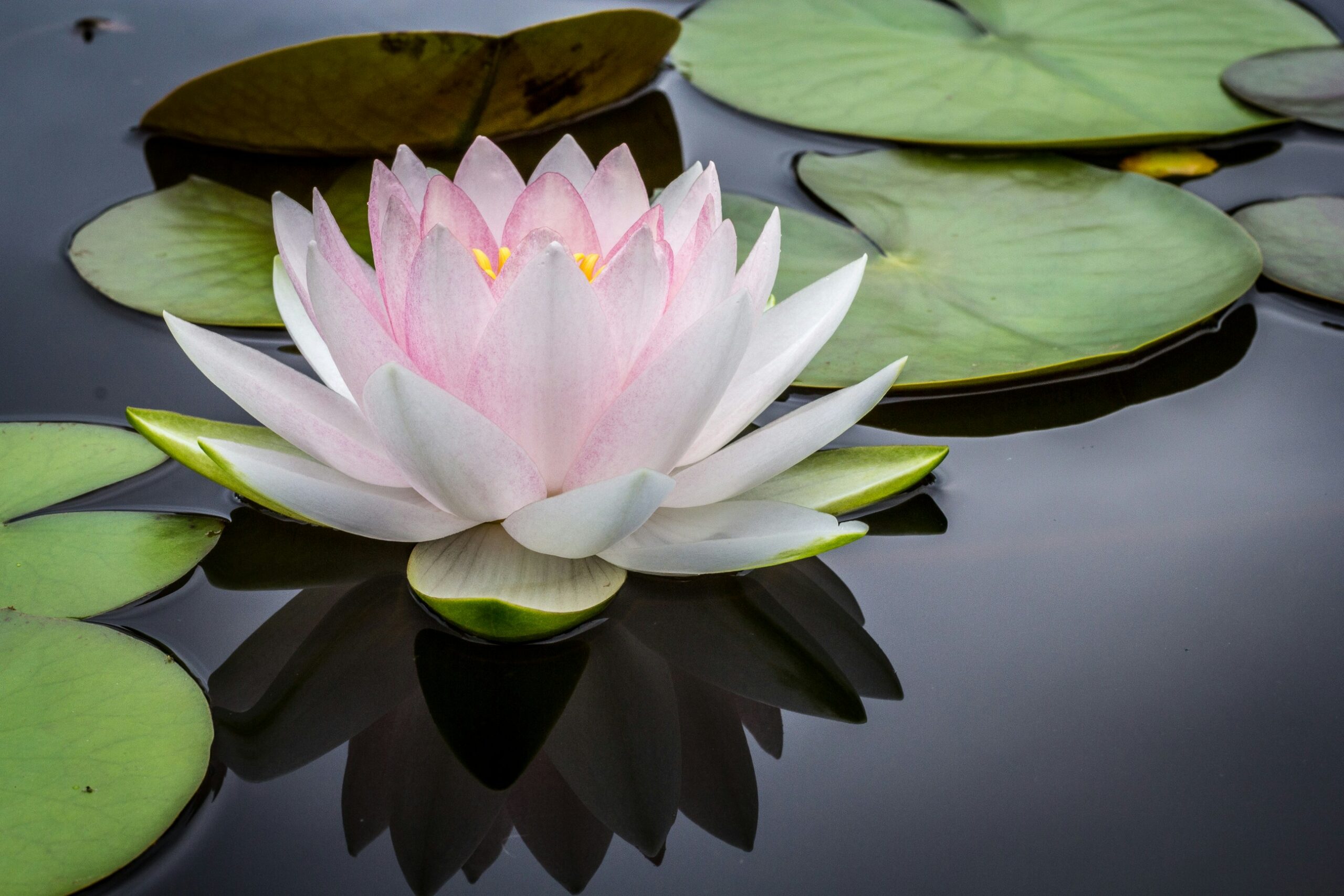
The Forgotten Ayurvedic Flowers Lotus, known traditionally as Padma, holds a special place in classical Indian traditions. Beyond its beauty, Ayurveda has valued the lotus flower for its cooling, soothing, and nourishing qualities. Traditionally, Ayurvedic practitioners used different parts of the lotus, including its flowers, seeds, and rhizomes, for various wellness purposes.

Moreover, the lotus carries an important place in Indian culture, spirituality, and traditional medicine. Its ability to rise above muddy waters and bloom beautifully has also made it a powerful symbol of purity, renewal, and inner balance.

Read more

Champaka in Ayurveda: Forgotten Ayurvedic Flowers

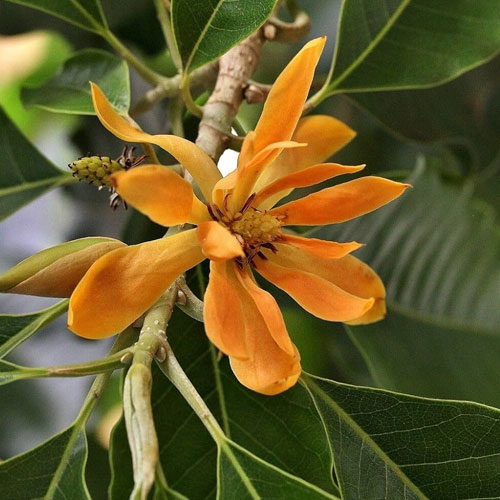
Champaka (Michelia champaca) is one of Ayurveda’s fragrant and culturally significant flowers. Known for its rich golden-yellow blooms and captivating aroma, Champaka has held an important place in traditional Indian wellness practices, perfumery, worship, and classical herbal traditions. Although modern life often overlooks this beautiful flower, Champaka in Ayurveda has a long history of traditional use.

Interestingly, Ayurveda does not view aromatic flowers merely as decorative plants. Instead, their fragrance, qualities, and traditional applications can form part of a broader approach to supporting balance and wellbeing. Therefore, Champaka deserves a place among the forgotten Ayurvedic flowers that continue to attract interest today.

Read more

Forgotten Ayurvedic Flowers: Nagakesara – The Fragrant Flower of Traditional Healing

Among the many fragrant plants mentioned in classical Ayurvedic traditions, Nagakesara holds a distinctive place. Although modern wellness discussions often focus on popular herbs, several valuable flowers remain relatively unfamiliar. Therefore, the Forgotten Ayurvedic Flowers Nagakesara series brings attention to these traditional botanical treasures and explores their historical Ayurvedic significance.

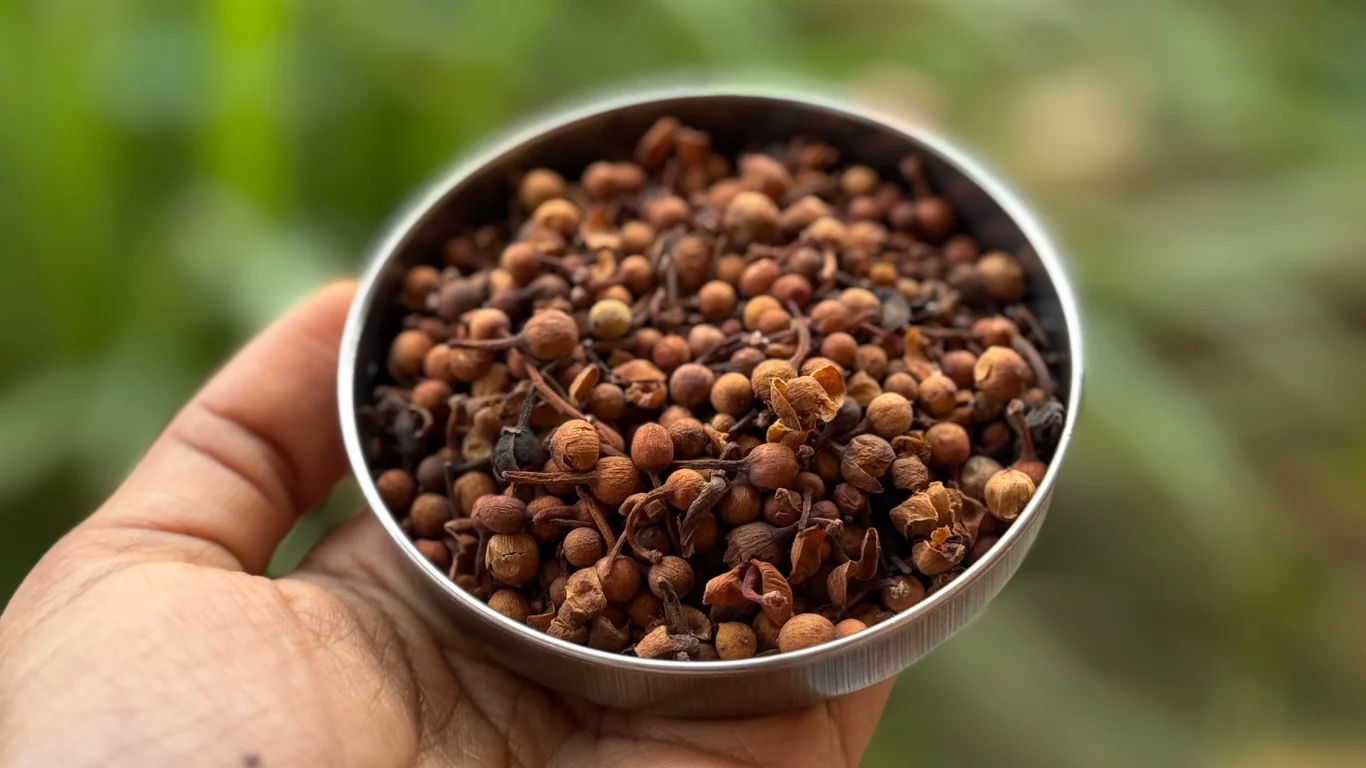
Nagakesara refers primarily to the dried stamens of Mesua ferrea, a beautiful evergreen tree known for its fragrant white flowers. In Ayurveda, practitioners have traditionally valued Nagakesara for its Kashaya (astringent) and aromatic qualities. Moreover, classical traditions associate it with digestive support, Pitta-related conditions, and certain types of excessive bleeding.

Read more

Forgotten Trees of Ayurveda: Rohitaka

Rohitaka holds an interesting place among the Forgotten Trees of Ayurveda. Traditionally identified with Tecomella undulata, this beautiful flowering tree has a long history of use in Ayurvedic medicine. In particular, classical Ayurvedic traditions associate Rohitaka with conditions involving the liver, spleen, blood, and Pitta-related disturbances.

Although modern herbal discussions often focus on more familiar plants, Rohitaka deserves attention because of its distinctive traditional applications. Moreover, Ayurvedic practitioners have traditionally valued its bark and other plant parts in carefully prepared formulations.

Read more

Forgotten Trees of Ayurveda: Bakula

Forgotten Trees of Ayurveda Bakula introduces us to Bakula (Mimusops elengi), a beautiful evergreen tree that has held a respected place in traditional Ayurvedic practice. Known for its fragrant flowers, dense foliage, and small fruits, Bakula has been valued not only as an ornamental tree but also for its medicinal properties.

In Ayurveda, different parts of Bakula, particularly the bark, flowers, fruits, and seeds, have traditionally found applications in various formulations. Most importantly, Ayurveda has long associated Bakula with oral health and the strengthening of teeth and gums.

Today, however, many people know the tree mainly for its attractive flowers and fragrance. Therefore, exploring Bakula helps us rediscover another remarkable plant from India’s traditional healing heritage.

Read more