Traditional Ayurveda

Forgotten Trees of Ayurveda: Vijaysar

Forgotten Trees of Ayurveda Vijaysar introduces us to a remarkable medicinal tree that has held an important place in traditional Ayurvedic practice for centuries. Known botanically as Pterocarpus marsupium, Vijaysar is also called Indian Kino or Malabar Kino.

Ayurvedic practitioners have traditionally valued the tree’s heartwood, bark, resin, and other parts for different therapeutic purposes. In particular, traditional Ayurvedic knowledge associates Vijaysar with Kapha and Pitta balance, healthy metabolism, digestion, and urinary wellness.

Although Vijaysar does not receive the same attention as popular Ayurvedic herbs today, it remains an important part of India’s traditional botanical heritage.

Read more

Forgotten Trees of Ayurveda: Saptaparni

Forgotten Trees of Ayurveda Saptaparni introduces us to a remarkable tree that has held an important place in traditional Indian medicine. Known botanically as Alstonia scholaris, Saptaparni belongs to the Apocynaceae family. It is a tall evergreen tree that grows across several parts of India and other tropical regions of Asia.

Although modern wellness conversations often focus on popular herbs such as Ashwagandha, Turmeric, and Guduchi, Ayurveda also values many trees that receive far less attention today. Saptaparni is one such tree. Traditionally, Ayurvedic practitioners used different parts of the plant, particularly the bark and leaves, in carefully prepared formulations.

Moreover, its bitter nature gives Saptaparni an interesting place within Ayurvedic herbal knowledge.

Read more

Forgotten Trees of Ayurveda: Palasha

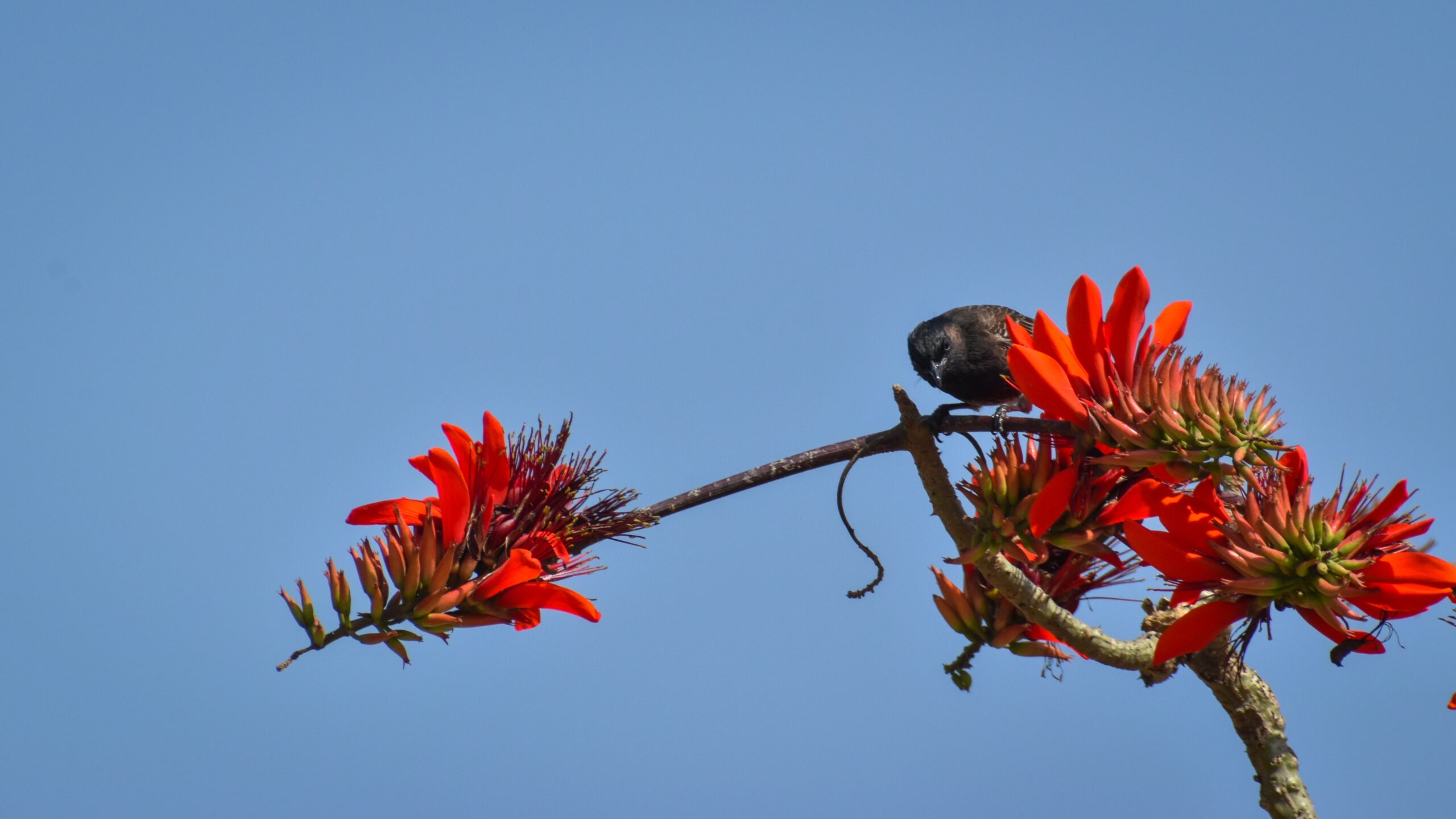
Forgotten Trees of Ayurveda Palasha introduces us to Palasha (Butea monosperma), a remarkable tree that holds an important place in traditional Ayurvedic practice. Known for its striking orange-red flowers, Palasha has served Ayurveda for centuries. In addition, traditional practitioners have used different parts of the tree, including its bark, flowers, seeds, leaves, and gum, for various purposes.

Today, Palasha often receives less attention than popular Ayurvedic herbs such as Ashwagandha, Tulsi, and Turmeric. However, this traditional tree deserves recognition because of its diverse uses and rich history. Therefore, exploring Palasha helps us understand how Ayurveda has traditionally worked with the natural world.

Read more

Forgotten Formulations of Ayurveda: Sitopaladi Churna Benefits

Forgotten Formulations of Ayurveda Sitopaladi Churna is one of the most trusted classical remedies in Ayurveda for supporting respiratory health. Although modern households often rely on conventional cough remedies.

Forgotten Formulations of Ayurveda Sitopaladi Churna continues to be valued for its ability to soothe the throat, promote healthy breathing, strengthen digestion, and support natural immunity. Consequently, Ayurvedic practitioners have recommended this gentle herbal formulation for centuries to maintain respiratory wellness during seasonal changes.

Read more

Forgotten Formulations of Ayurveda: Mahasudarshan Churna Benefits

Forgotten Formulations of Ayurveda Mahasudarshan Churna is one of the most respected herbal formulations described in classical Ayurvedic texts. Although many traditional remedies have faded from everyday use.

Forgotten Formulations of Ayurveda Mahasudarshan Churna continues to be valued for supporting immunity, healthy digestion, and the body’s natural response to seasonal illnesses. Consequently, Ayurvedic practitioners have relied on this time-tested formulation for generations to promote overall health and restore internal balance.

Read more

Forgotten Formulations of Ayurveda: Yograj Guggulu for Joint Health

Forgotten Formulations of Ayurveda Yograj Guggulu is one of the most valuable classical remedies described in Ayurvedic texts. Although modern wellness often focuses on a handful of popular formulations, Forgotten Formulations of Ayurveda Yograj Guggulu continues to be trusted for supporting joint health, mobility, and Vata balance. Consequently, Ayurvedic practitioners have used this traditional herbal formula for centuries to promote comfortable movement and overall musculoskeletal wellness.

Although Yograj Guggulu is not as widely recognized as Triphala or Chyawanprash, it continues to hold an important place in classical Ayurvedic practice.

Read more