Forgotten Trees of Ayurveda Palasha introduces us to Palasha (Butea monosperma), a remarkable tree that holds an important place in traditional Ayurvedic practice. Known for its striking orange-red flowers, Palasha has served Ayurveda for centuries. In addition, traditional practitioners have used different parts of the tree, including its bark, flowers, seeds, leaves, and gum, for various purposes.
Today, Palasha often receives less attention than popular Ayurvedic herbs such as Ashwagandha, Tulsi, and Turmeric. However, this traditional tree deserves recognition because of its diverse uses and rich history. Therefore, exploring Palasha helps us understand how Ayurveda has traditionally worked with the natural world.
What Is Palasha?
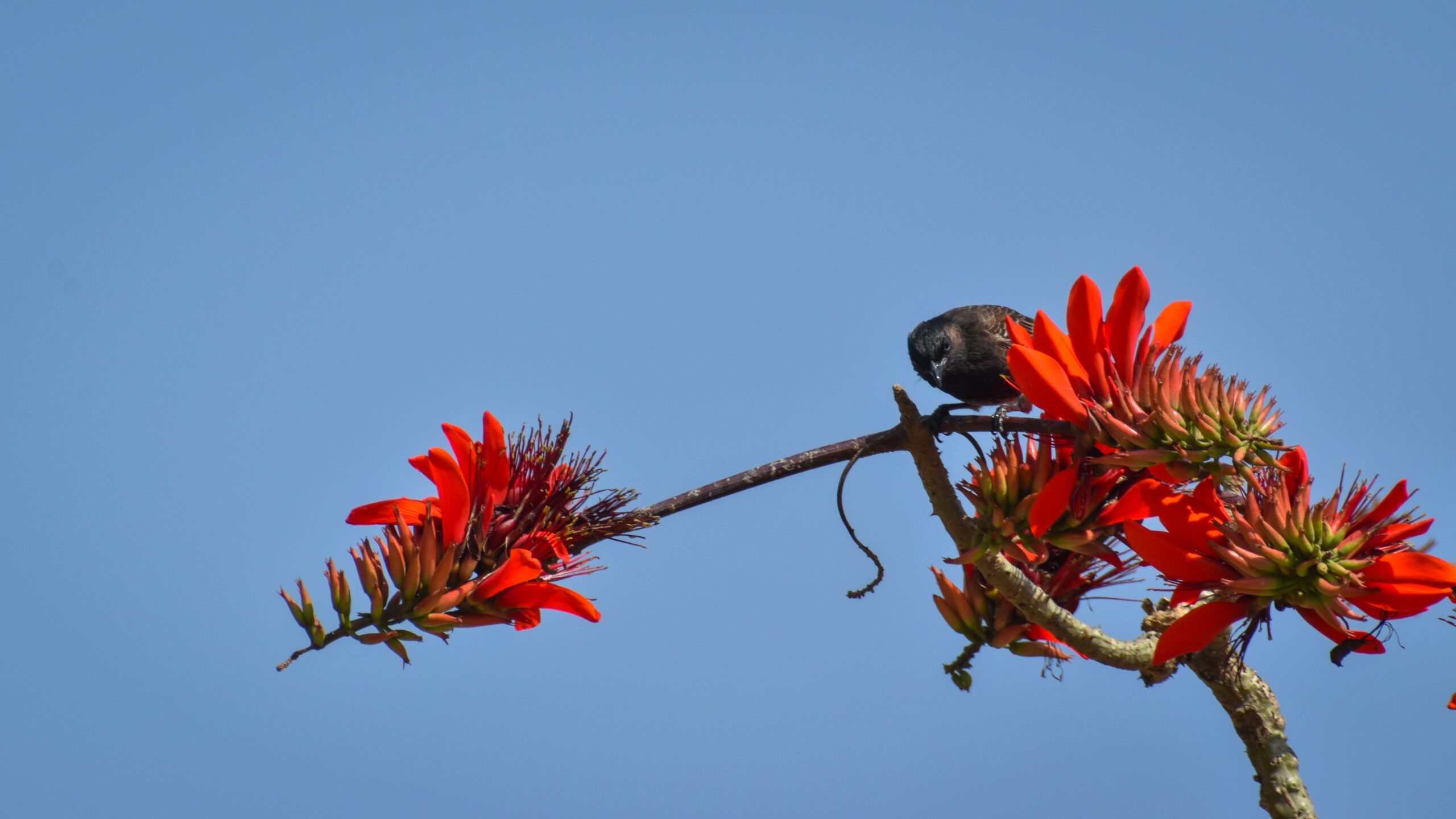
Palasha, botanically known as Butea monosperma, belongs to the Fabaceae family. People also know it by names such as Flame of the Forest, Dhak, and Kimsuka.
The tree produces beautiful orange or reddish-orange flowers, especially during the warmer months. Consequently, these flowers create a spectacular display across forests and open landscapes.
Ayurveda traditionally considers Palasha a useful medicinal tree. Different parts of the plant have different properties and applications. Therefore, traditional Ayurvedic texts describe Palasha in connection with digestion, intestinal health, skin care, and certain cleansing practices.
Palasha in Traditional Ayurveda
Palasha has a long history in Ayurvedic literature. Traditional practitioners have used its various parts according to their properties and the individual’s condition.
In Ayurveda, Palasha is traditionally associated with Kapha and Pitta-related conditions, although its effects can vary depending on the plant part, preparation, dosage, and individual constitution.
Moreover, Ayurveda places considerable importance on Agni, or digestive fire. Traditional preparations involving Palasha have been used to support digestive function and maintain a healthy internal balance.
However, Ayurvedic treatment does not simply depend on one herb. Instead, practitioners consider Prakriti, Vikriti, Agni, age, diet, lifestyle, and other individual factors before recommending a formulation.
Traditional Uses of Palasha
Palasha has several traditional applications in Ayurveda. Different plant parts serve different purposes.
1. Supports Digestive Health
Traditional Ayurveda uses Palasha in preparations intended to support digestion. Its traditional properties may help maintain healthy digestive function when used appropriately.
Furthermore, Ayurveda connects digestive health with Agni. Therefore, herbs traditionally used to support Agni can play an important role in maintaining overall wellness.
2. Traditionally Used for Intestinal Health
Ayurvedic traditions have used Palasha seeds in preparations associated with intestinal health.
Traditionally, practitioners have especially valued Palasha in formulations aimed at maintaining a healthy intestinal environment. However, people should not self-administer concentrated preparations without professional guidance.
3. Supports Healthy Elimination
Palasha has also appeared in traditional Ayurvedic preparations connected with bowel health and elimination.
Because Ayurveda considers regular elimination important for maintaining balance, traditional practitioners may select specific herbs according to the individual’s dosha and digestive condition.
4. Traditional Skin Care
Palasha also has a place in traditional external applications. Ayurvedic practices have used preparations made from certain parts of the tree to support healthy skin.
In addition, traditional herbal preparations may combine Palasha with other herbs to create formulations suited to particular skin concerns.
5. Used in Traditional Cleansing Practices
Palasha has historical connections with traditional Ayurvedic cleansing approaches. Some preparations containing Palasha have been used as part of classical therapeutic practices.
However, Panchakarma and other cleansing procedures require proper assessment and supervision. Therefore, people should never attempt intensive Ayurvedic procedures on their own.
Palasha and the Three Doshas
Ayurveda understands health through the balance of Vata, Pitta, and Kapha. Palasha has traditionally been selected according to its qualities and the condition being addressed.
Palasha and Kapha
Traditional Ayurvedic properties of Palasha can make it relevant to Kapha-related imbalances. Its use may support digestion and healthy elimination, which Ayurveda considers important when excess Kapha affects digestive function.
Palasha and Pitta
Because different parts of Palasha have different properties, Ayurvedic practitioners select them carefully when Pitta requires consideration.
Therefore, the preparation and dosage matter just as much as the herb itself.
Palasha and Vata
Palasha should also be considered carefully in Vata-dominant individuals. Its traditionally drying qualities may not suit every Vata condition.
Consequently, an Ayurvedic practitioner may combine it with other herbs or choose a different preparation depending on the person’s constitution.
Palasha and Agni
Agni plays a central role in Ayurveda. It represents the body’s digestive and metabolic processes.
When Agni functions properly, Ayurveda considers digestion and nutrient processing more efficient. Conversely, weakened Agni may contribute to the formation of Ama, which Ayurveda describes as improperly processed metabolic residue.
Traditionally, Palasha has been included in certain preparations that support healthy digestion and elimination. Thus, its historical use reflects Ayurveda’s broader emphasis on maintaining Agni.
Different Parts of the Palasha Tree
One fascinating aspect of Palasha involves the traditional use of several parts of the tree.
Palasha Flowers
The bright flowers have a long history of traditional use. People have also used them to prepare natural dyes.
Palasha Seeds
Traditional Ayurvedic practice has used Palasha seeds in preparations associated particularly with intestinal and digestive health.
Palasha Bark
Practitioners have traditionally used the bark in various herbal preparations.
Palasha Leaves
Palasha leaves have historical cultural and traditional applications. In some regions, people have traditionally used the leaves to make plates and other natural products.
Palasha Gum
The tree produces a natural gum commonly known as Bengal kino or Butea gum. Traditional systems have valued this resinous material for various applications.
Palasha in Traditional Indian Culture
Palasha represents more than a medicinal tree. It also has deep cultural significance in India.
Its vivid flowers have inspired poetry, folklore, religious traditions, and seasonal celebrations. During flowering season, the orange-red blossoms can transform the landscape, which explains the popular name Flame of the Forest.
Furthermore, traditional communities have used different parts of the tree for practical purposes. This connection between medicine, culture, and everyday life reflects the broader Ayurvedic understanding of plants.
What Makes Palasha a Forgotten Tree of Ayurveda?
Modern wellness discussions often focus on a small group of popular herbs. As a result, many traditional medicinal trees receive little attention.
Palasha deserves a place in the Forgotten Trees of Ayurveda series because it demonstrates how one tree can have multiple traditional applications.
Its flowers, seeds, bark, leaves, and gum have all found a place in Indian traditions. Moreover, its connection with classical Ayurvedic practices highlights the extensive botanical knowledge developed by traditional practitioners.
How Ayurveda Approaches Palasha
Ayurveda does not recommend herbs based solely on their popularity. Instead, practitioners examine the herb’s Rasa, Guna, Virya, Vipaka, and Karma, along with the person’s individual constitution and health condition.
For this reason, Palasha may be appropriate in one situation but unsuitable in another.
Likewise, the same plant part may produce different effects depending on how someone prepares and uses it. Therefore, traditional Ayurvedic knowledge emphasizes correct identification, preparation, dosage, and timing.
Is Palasha Safe for Everyone?
Although Palasha has a long history of traditional use, that does not mean every preparation suits everyone.
In particular, concentrated herbal preparations can have stronger effects than ordinary dietary use. Therefore, people who are pregnant, breastfeeding, taking medication, managing a chronic condition, or considering therapeutic doses should consult a qualified healthcare or Ayurvedic professional before using Palasha medicinally.
Most importantly, avoid using traditional herbal preparations as a substitute for appropriate medical care.
Palasha: A Tree Worth Remembering
Palasha reminds us that Ayurveda’s botanical heritage extends far beyond the herbs that dominate modern wellness conversations.
From its brilliant flowers to its traditionally valued seeds, bark, leaves, and gum, this tree has played several roles in Indian culture and traditional medicine. Furthermore, its relationship with digestion, elimination, and Ayurvedic cleansing practices makes it particularly interesting from a traditional perspective.
As we rediscover the Forgotten Trees of Ayurveda Palasha, we also rediscover an older way of understanding plants—not simply as ingredients, but as part of a larger relationship between people, nature, food, medicine, and seasonal living.
Frequently Asked Questions
1. What is Palasha in Ayurveda?
Palasha is the Ayurvedic name for Butea monosperma, a tree commonly known as Flame of the Forest or Dhak. Ayurveda has traditionally used several parts of the tree for different purposes.
2. What are the traditional uses of Palasha?
Traditional Ayurvedic practices have used Palasha in preparations related to digestion, intestinal health, elimination, skin care, and certain cleansing therapies.
3. What is the botanical name of Palasha?
The botanical name of Palasha is Butea monosperma.
4. Which parts of Palasha are traditionally used?
Traditional practices use the flowers, seeds, bark, leaves, and gum of Palasha for different purposes.
5. Is Palasha suitable for everyone?
No. Palasha may not suit everyone, particularly when used in concentrated medicinal preparations. An Ayurvedic practitioner can determine whether it is appropriate based on individual constitution and health needs.
6. Why is Palasha called Flame of the Forest?
Palasha produces brilliant orange-red flowers that can cover the tree during its flowering season. These vivid blossoms give the tree its popular name, Flame of the Forest.
7. Is Palasha an Ayurvedic herb or tree?
Palasha is a tree, although Ayurveda uses different parts of it as medicinal plant materials.
Final Thoughts
Forgotten Trees of Ayurveda Palasha takes us back to a traditional tree with remarkable cultural and medicinal significance. Although modern herbal conversations often overlook Palasha, Ayurveda has long recognized the value of this versatile plant.
Its traditional relationship with digestion, elimination, skin care, and cleansing practices makes Palasha an important part of India’s herbal heritage. However, proper identification, preparation, and professional guidance remain essential when using it medicinally.
Disclaimer: This article discusses traditional Ayurvedic uses of Palasha for educational purposes. It does not provide medical advice or replace diagnosis or treatment from a qualified healthcare professional.

Hello!!
I’m Dr. Malini Bhat MD (Ayu); an Ayurvedic Doctor and a health blogger. Follow me on social media to get daily health tips which you can easily adapt to a healthy lifestyle.