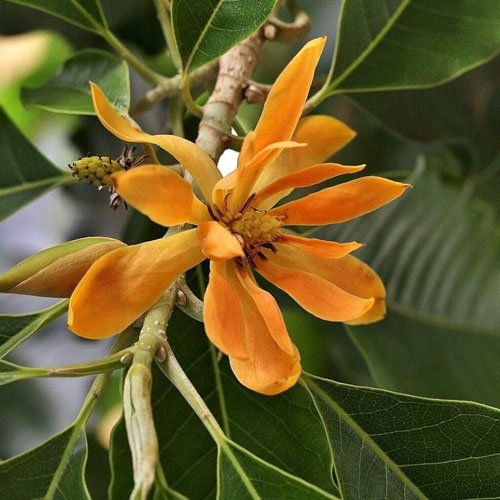
Champaka (Michelia champaca) is one of Ayurveda’s fragrant and culturally significant flowers. Known for its rich golden-yellow blooms and captivating aroma, Champaka has held an important place in traditional Indian wellness practices, perfumery, worship, and classical herbal traditions. Although modern life often overlooks this beautiful flower, Champaka in Ayurveda has a long history of traditional use.
Interestingly, Ayurveda does not view aromatic flowers merely as decorative plants. Instead, their fragrance, qualities, and traditional applications can form part of a broader approach to supporting balance and wellbeing. Therefore, Champaka deserves a place among the forgotten Ayurvedic flowers that continue to attract interest today.

Hello!!
I’m Dr. Malini Bhat MD (Ayu); an Ayurvedic Doctor and a health blogger. Follow me on social media to get daily health tips which you can easily adapt to a healthy lifestyle.