Traditional Medicine

Forgotten Trees of Ayurveda: Devadaru

Forgotten Trees of Ayurveda Devadaru brings attention to one of the most respected aromatic trees in traditional Ayurvedic medicine. Known botanically as Cedrus deodara, Devadaru has long been valued for its fragrant wood, warming qualities, and traditional applications.

In Sanskrit, Devadaru means “wood of the gods.” This name reflects the tree’s long-standing cultural and medicinal importance. Moreover, Ayurveda traditionally associates Devadaru with qualities that help manage Vata and Kapha imbalances.

Although modern herbal discussions often focus on more familiar plants, Devadaru deserves renewed attention. Its aromatic nature, warming energy, and traditional uses make it an interesting tree to rediscover.

Read more

Forgotten Trees of Ayurveda: Ashoka

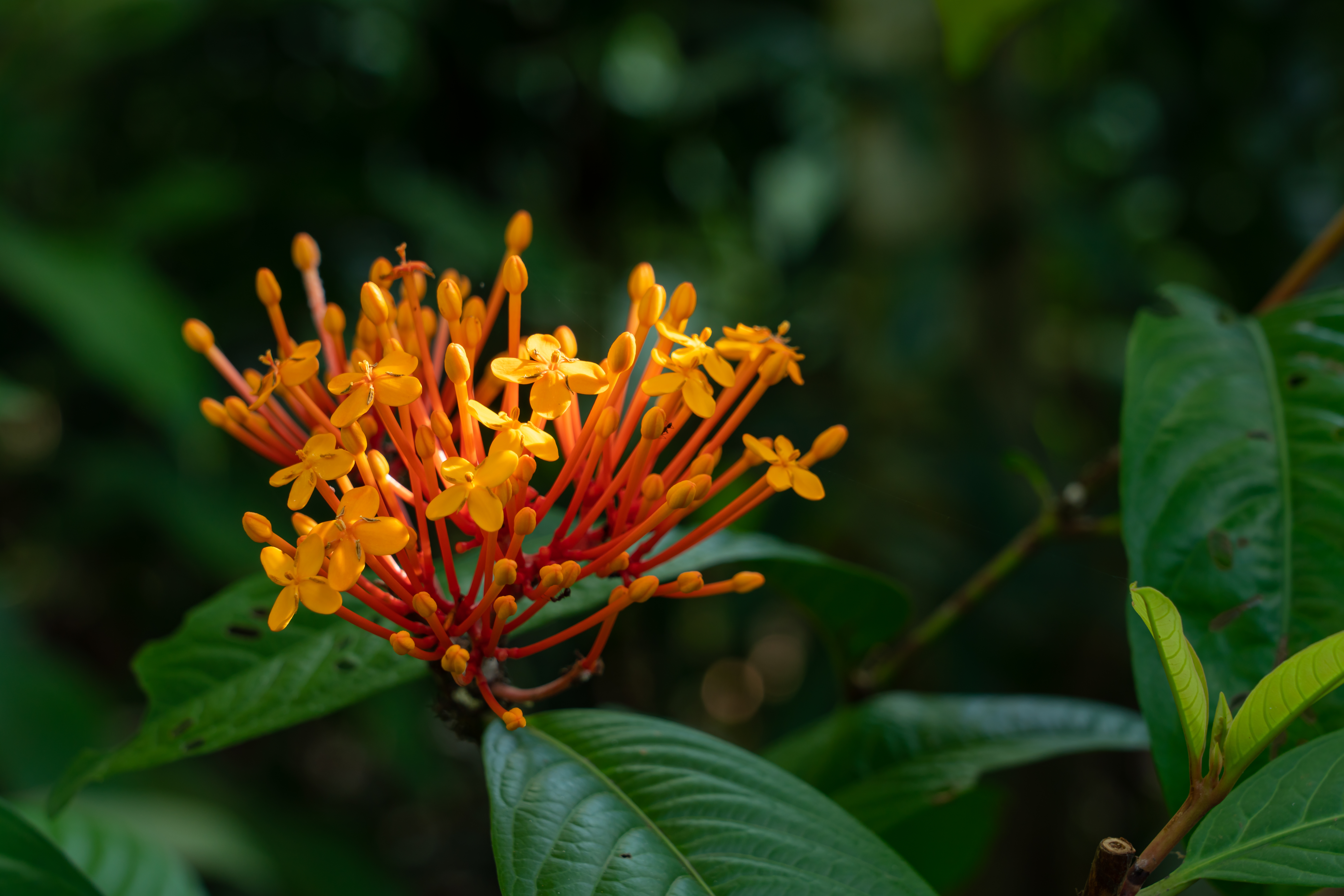
Forgotten Trees of Ayurveda Ashoka brings attention to one of India’s most respected traditional medicinal trees. Known botanically as Saraca asoca, Ashoka has a long history in Ayurveda and Indian culture. Its beautiful orange-red flowers make it visually striking, while its bark has earned an important place in traditional Ayurvedic formulations.

For centuries, Ayurvedic practitioners have associated Ashoka particularly with women’s health. Traditional preparations containing Ashoka have been used to support healthy menstrual cycles, reproductive wellness, and normal uterine function. However, Ashoka represents much more than a women’s wellness herb. Its traditional properties also connect it with digestion, skin health, and the body’s natural balance.

Today, many people recognize Ashoka mainly because of Ashoka-based Ayurvedic formulations. Nevertheless, the tree itself deserves attention as an important part of India’s traditional botanical heritage.

Read more

Forgotten Formulations of Ayurveda: Dashamoola – The Legendary Blend for Strength, Balance, and Healing

Ayurveda offers countless herbal formulations that have stood the test of time. However, many of these classical remedies have become less familiar in today’s fast-paced world. In this edition of Forgotten Formulations of Ayurveda Dashamoola, we explore one of Ayurveda’s most respected herbal combinations. Although many people recognise the name, few understand why Dashamoola has remained an essential part of Ayurvedic medicine for centuries.

Moreover, Dashamoola represents the wisdom of combining herbs that complement one another. Rather than relying on a single medicinal plant, Ayurveda combines ten carefully selected roots to restore balance, strengthen the body, and support natural healing.

Read more

Forgotten Herbs of Ayurveda: Gambhari (Gmelina arborea) – The Ancient Rejuvenating Tree

Ayurveda is home to countless medicinal plants that have supported human health for centuries. While herbs like Ashwagandha and Turmeric enjoy global popularity today, several equally valuable plants remain hidden in the pages of ancient texts. One such treasure is Gambhari (Gmelina arborea), a remarkable medicinal tree revered in Ayurveda for its rejuvenating and healing properties.

In the journey of exploring the Forgotten Herbs of Ayurveda Gambhari, we uncover a plant that has been used for centuries to promote strength, vitality, and overall well-being.

Read more

Patala in Ayurveda: The Forgotten Tree of Dashamoola

Forgotten Herbs of Ayurveda – Dashamoola Series Part 4

Patala in Ayurveda represents one of the lesser-known yet highly valued trees described in classical Ayurvedic literature. Although many people recognize Dashamoola as an important herbal formulation, few know the individual plants that contribute to this celebrated group. Among these plants, Patala occupies a distinctive place because of its fragrant flowers, rich botanical history, and enduring significance in traditional medicine. Today, this remarkable tree offers an opportunity to rediscover one of Ayurveda’s hidden treasures.

Read more

Shyonaka in Ayurveda: The Forgotten Tree of Dashamoola

Forgotten Herbs of Ayurveda – Dashamoola Series Part 3

Shyonaka in Ayurveda represents one of the most fascinating yet lesser-known medicinal trees described in classical Ayurvedic literature. Although many people recognize Dashamoola as an important herbal formulation, few know the individual plants that contribute to this celebrated group. Among these plants, Shyonaka stands out because of its unique appearance, rich cultural history, and enduring place in traditional medicine. Today, this remarkable tree offers an opportunity to rediscover one of Ayurveda’s hidden botanical treasures.

Read more