Forgotten Ayurvedic Flowers

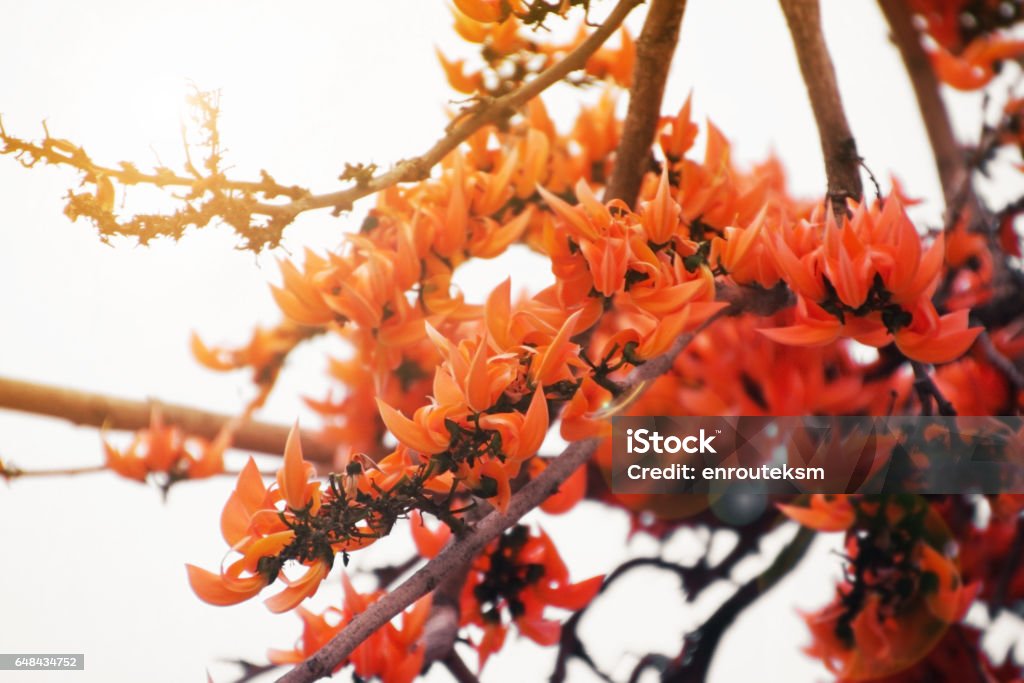
Forgotten Ayurvedic Flowers: Flame of the Forest

The Flame of the Forest in Ayurveda, traditionally known as Palasha, holds a fascinating place in India’s botanical and medicinal heritage. The brilliant orange-red flowers of Butea monosperma brighten dry forests during the warmer months and give the tree its unforgettable name. However, Palasha offers more than visual beauty. Ayurvedic traditions have valued different parts of this tree, including its flowers, seeds, bark, gum, and leaves.

Although modern lifestyles often overlook traditional plants such as Palasha, Ayurveda continues to recognize its distinctive qualities. Moreover, its historical importance extends beyond medicine into food traditions, rituals, natural dyes, and cultural practices.

Read more

Forgotten Ayurvedic Flowers: Ketaki – The Fragrant Flower of Ayurveda

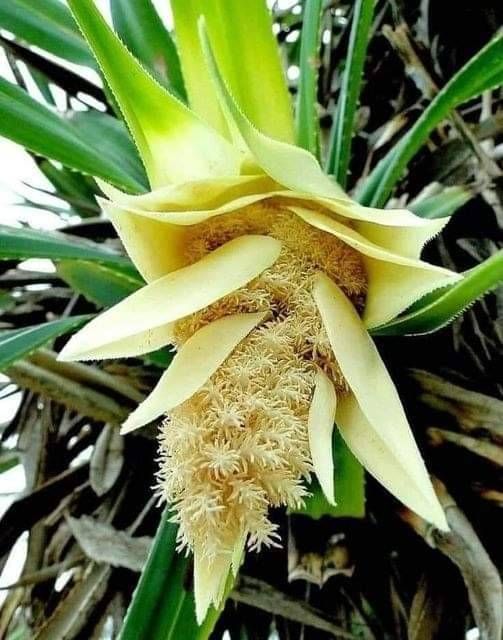
Ketaki, traditionally known as KetakÄ« (केतकी) and botanically identified as Pandanus odorifer, is one of the fragrant flowers mentioned in India’s traditional literature. Its distinctive aroma, unusual appearance, and traditional uses have given it a special place in Ayurveda and Indian culture. Although modern gardens often overlook it, Ketaki in Ayurvedarepresents another fascinating example of how fragrant flowers once played a role in traditional wellness practices.

Unlike common garden flowers, Ketaki grows on a spiny, shrub-like plant with long, narrow leaves. Its strongly scented flowers have traditionally attracted attention for their fragrance as well as their medicinal qualities. Moreover, classical Indian traditions associate Ketaki with perfumery, religious practices, and traditional medicine.

Read more

Forgotten Ayurvedic Flowers: Karnikara

Flowers have always held a special place in Ayurveda. Beyond their beauty and fragrance, traditional Ayurvedic texts recognised several flowers for their distinctive qualities and therapeutic potential. Karnikara in Ayurveda represents one such lesser-known botanical treasure. Today, however, this beautiful flowering tree remains far less familiar than popular Ayurvedic flowers such as lotus, jasmine, and hibiscus.

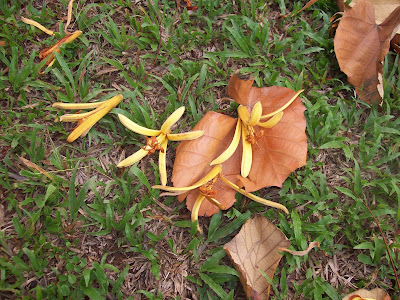
Karnikara is commonly identified with Pterospermum acerifolium (L.) Willd., a flowering tree also known by names such as Muchkunda and Kanak Champa. Modern botanical sources place it in the family Malvaceae.

Its fragrant flowers, large leaves, and traditional medicinal significance make Karnikara an interesting addition to the Forgotten Ayurvedic Flowers series.

Read more

Kovidara Flower: Forgotten Ayurvedic Flower

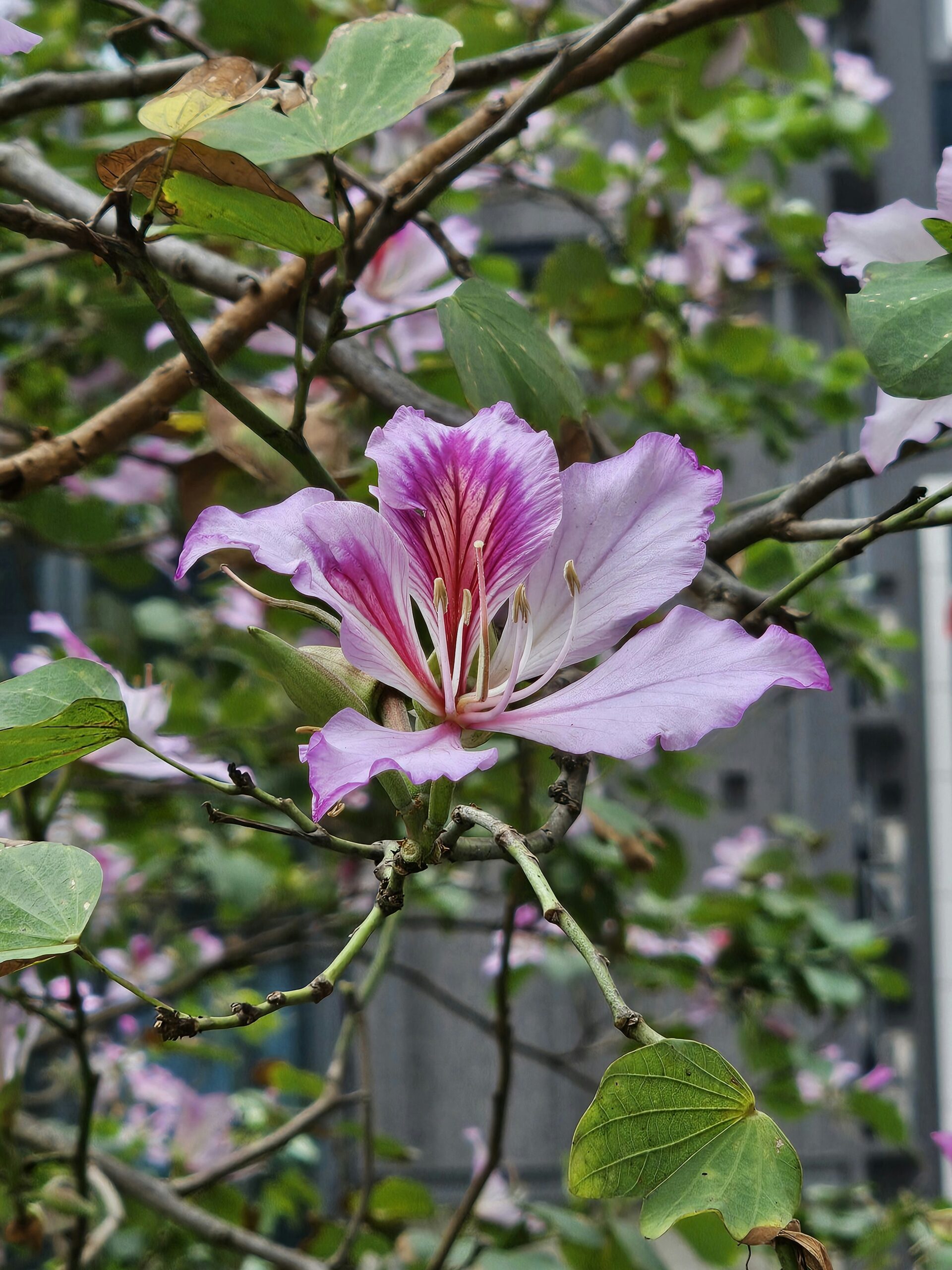
Kovidara is one of the lesser-known flowers mentioned in traditional Ayurvedic literature. While modern wellness conversations often focus on familiar herbs such as Ashwagandha, Tulsi, and Brahmi, classical Ayurveda also recognized the value of flowering trees and their different plant parts.

The Kovidara flower, associated with the Kovidara tree, holds an interesting place in traditional Indian medicine and culture. Its delicate flowers have traditionally been used in certain Ayurvedic practices, particularly in formulations and dietary preparations. However, its use requires proper identification and appropriate guidance.

Read more

Aparajita: Forgotten Ayurvedic Flower for Memory

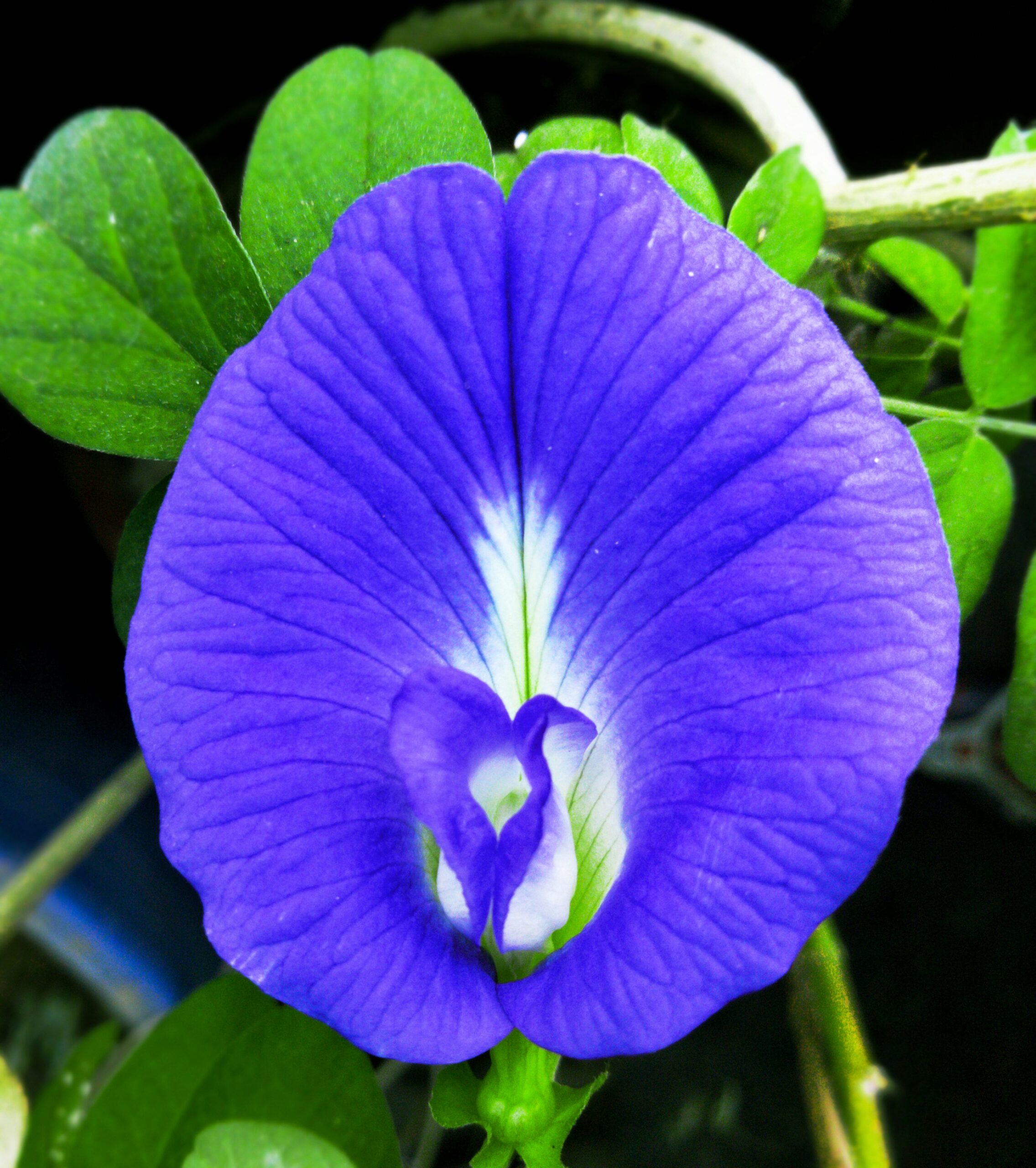
Aparajita Ayurvedic flower holds a special place among India’s traditional medicinal plants. Known botanically as Clitoria ternatea, Aparajita is also popularly called Butterfly Pea or Asian pigeonwings. Its striking blue flowers make it easy to recognize, while its traditional use in Ayurveda gives it much greater significance than its ornamental beauty suggests.

For centuries, traditional practitioners have valued Aparajita for its association with memory, intellect, mental calmness, and overall neurological well-being. In addition, Ayurveda has used different parts of the plant in traditional preparations.

Today, Aparajita has gained renewed attention because of blue herbal tea and growing interest in traditional wellness practices. However, its modern popularity is only one chapter in the much older story of this remarkable flower.

Read more

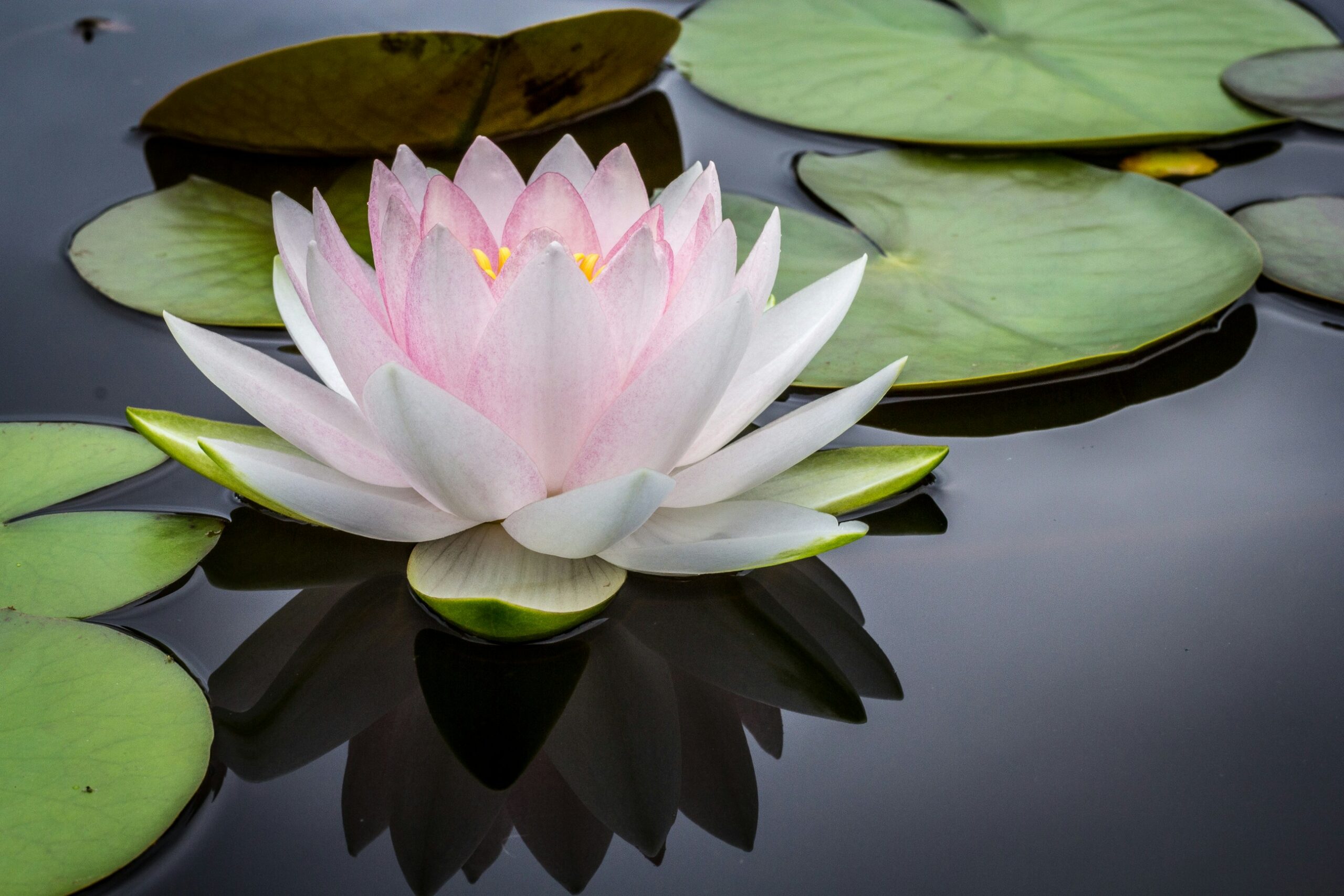
Forgotten Ayurvedic Flowers: Lotus

The Forgotten Ayurvedic Flowers Lotus, known traditionally as Padma, holds a special place in classical Indian traditions. Beyond its beauty, Ayurveda has valued the lotus flower for its cooling, soothing, and nourishing qualities. Traditionally, Ayurvedic practitioners used different parts of the lotus, including its flowers, seeds, and rhizomes, for various wellness purposes.

Moreover, the lotus carries an important place in Indian culture, spirituality, and traditional medicine. Its ability to rise above muddy waters and bloom beautifully has also made it a powerful symbol of purity, renewal, and inner balance.

Read more