Kovidara is one of the lesser-known flowers mentioned in traditional Ayurvedic literature. While modern wellness conversations often focus on familiar herbs such as Ashwagandha, Tulsi, and Brahmi, classical Ayurveda also recognized the value of flowering trees and their different plant parts.
The Kovidara flower, associated with the Kovidara tree, holds an interesting place in traditional Indian medicine and culture. Its delicate flowers have traditionally been used in certain Ayurvedic practices, particularly in formulations and dietary preparations. However, its use requires proper identification and appropriate guidance.
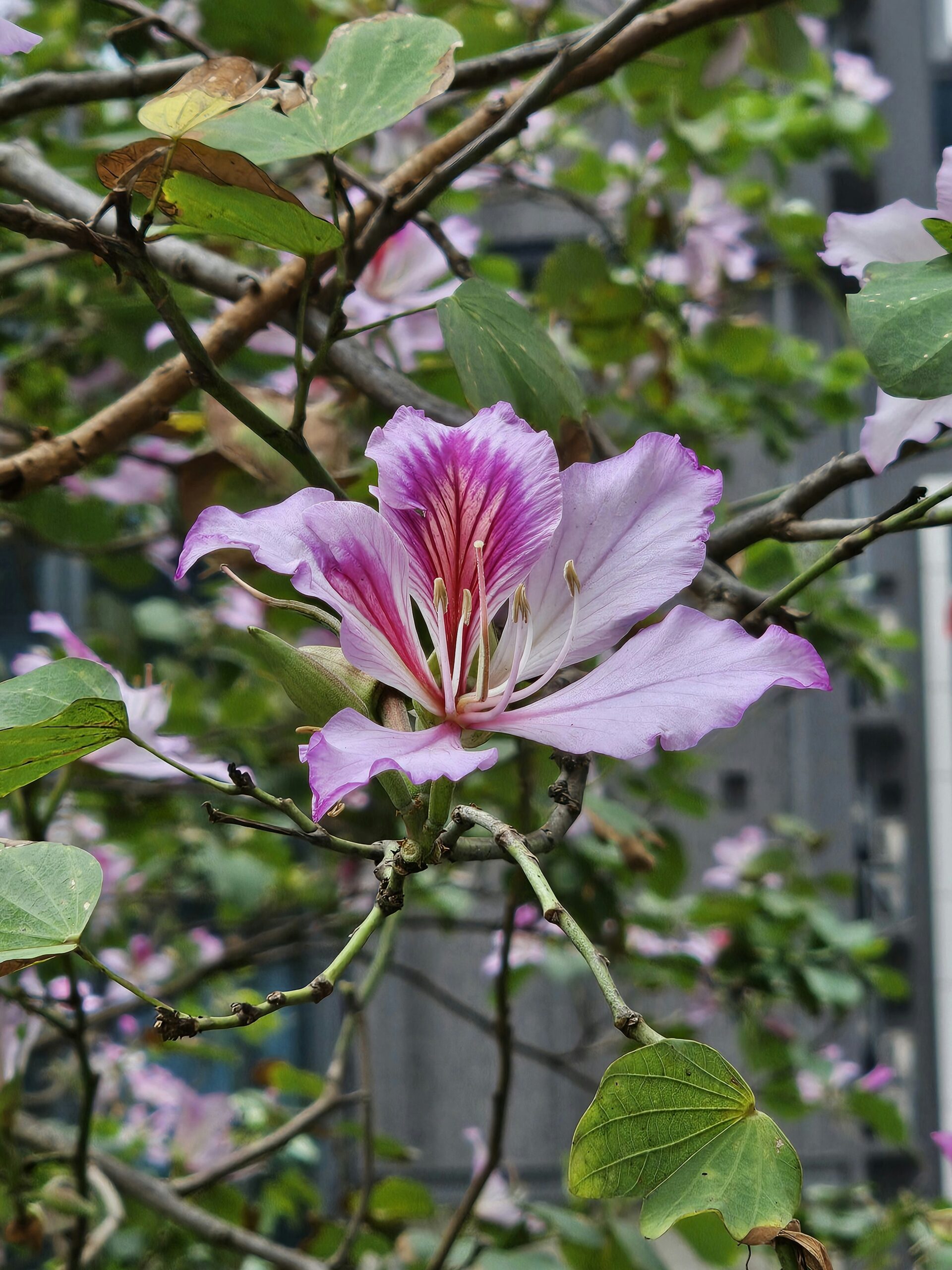
What Is Kovidara?
Kovidara generally refers to Bauhinia variegata, commonly known as the orchid tree or mountain ebony. In Sanskrit literature, the name Kovidara appears in connection with this beautiful flowering tree.
The tree produces attractive pink, purple, or white flowers, depending on the variety. In India, people also appreciate Kovidara for its ornamental beauty.
In Ayurveda, however, Kovidara represents more than a decorative flower. Traditional texts describe different parts of the plant, including the flowers, bark, and other tissues, in the context of Ayurvedic materia medica.
Kovidara in Ayurveda
Traditional Ayurvedic knowledge considers Kovidara among the plants that may support particular health conditions when used appropriately.
The plant appears in classical Ayurvedic literature, although modern information about its medicinal applications remains relatively limited compared with more widely studied herbs.
Traditionally, practitioners have associated Kovidara with properties that may support:
- Digestive wellness
- Appetite and healthy digestion
- Traditional management of certain inflammatory conditions
- General cleansing practices
- Skin and tissue health
However, these traditional applications should not automatically be interpreted as clinically proven treatments.
Traditional Uses of Kovidara Flower
The Kovidara flower has attracted attention because Ayurveda traditionally incorporated various edible and medicinal flowers into seasonal diets and preparations.
In some Indian traditions, the flowers are cooked as a vegetable or incorporated into regional recipes. This highlights an important Ayurvedic principle: food and medicine can sometimes overlap when practitioners use the right plant, preparation, quantity, and timing.
Traditionally prepared Kovidara flowers may therefore appear in culinary practices as well as traditional wellness practices.
Kovidara and Digestion
Ayurveda places strong emphasis on Agni, or digestive fire. Healthy digestion plays an important role in maintaining overall balance.
Traditional preparations involving Kovidara may support digestive function, particularly when practitioners select them according to an individual’s constitution and digestive condition.
However, you should not assume that consuming Kovidara flowers will automatically improve digestion. The preparation, quantity, individual constitution, and underlying condition all matter.
Kovidara and the Doshas
Ayurveda evaluates herbs and foods according to qualities such as Rasa, Guna, Virya, and Vipaka. These characteristics help Ayurvedic practitioners understand how a substance may influence Vata, Pitta, and Kapha.
Kovidara’s traditional properties may make it relevant to specific dosha-related conditions. Nevertheless, its effect can vary according to the plant part used and the method of preparation.
Therefore, people should avoid choosing Kovidara solely because they want to balance a particular dosha.
Kovidara as a Traditional Food
One fascinating aspect of Kovidara involves its connection with traditional food culture.
Across parts of India, people have historically used flowers from certain trees as seasonal foods. Such practices demonstrate how traditional communities worked with locally available plants.
Kovidara flowers can be prepared in regional culinary styles. When properly identified and prepared, they can form part of traditional cuisine rather than simply serving as ornamental flowers.
This food connection also makes Kovidara particularly interesting for anyone exploring forgotten Ayurvedic flowers.
What Does Modern Research Say?
Modern scientific research has investigated different parts of Bauhinia variegata, including its leaves, bark, flowers, and other plant materials.
Researchers have identified various phytochemicals in the plant and have explored antioxidant, antimicrobial, anti-inflammatory, and other biological activities in laboratory and experimental studies.
However, laboratory findings do not automatically establish effectiveness in humans. Therefore, more well-designed human studies are necessary before we can make strong medical claims about Kovidara.
In other words, traditional use provides an important historical perspective, while modern clinical research helps determine how safely and effectively these traditional applications work.
How Kovidara Fits Into Traditional Ayurveda
Kovidara reminds us that Ayurveda extends far beyond the small collection of herbs commonly discussed today.
Traditional Ayurvedic knowledge includes:
- Trees
- Flowers
- Roots
- Seeds
- Fruits
- Barks
- Leaves
- Resins
- Mineral preparations
- Fermented preparations
Consequently, exploring Kovidara can help us understand the breadth of India’s traditional botanical knowledge.
Kovidara: A Forgotten Flower Worth Remembering
The Kovidara flower may not receive the same attention as Lotus, Jasmine, Champaka, or Aparajita. Nevertheless, its presence in traditional Indian knowledge makes it worth remembering.
Its beautiful flowers, connection with regional food traditions, and place in Ayurvedic botanical literature make Kovidara an intriguing subject for anyone interested in forgotten medicinal plants.
Most importantly, Kovidara reminds us that traditional wellness systems often looked closely at the plants growing around them. Today, revisiting this knowledge can encourage greater appreciation for India’s botanical heritage while also encouraging responsible and evidence-based use.
Frequently Asked Questions About Kovidara
What is Kovidara?
Kovidara generally refers to Bauhinia variegata, a flowering tree commonly known as orchid tree or mountain ebony.
Are Kovidara flowers edible?
Kovidara flowers have traditional culinary uses in some Indian regions. However, correct botanical identification and appropriate preparation are important.
Is Kovidara used in Ayurveda?
Yes. Classical Ayurvedic and traditional Indian medical literature mentions Kovidara and different parts of the plant. Traditional uses vary according to the plant part and preparation.
Can Kovidara treat diseases?
Traditional uses should not be considered equivalent to proven medical treatments. Although researchers have studied Kovidara for several biological activities, stronger human clinical evidence remains necessary.
Why is Kovidara considered a forgotten Ayurvedic flower?
Kovidara receives far less attention today than popular Ayurvedic plants. Yet traditional literature and regional food practices preserve knowledge about this flowering tree.
Final Thoughts
Kovidara represents a fascinating part of India’s traditional botanical heritage. Its beautiful flowers and historical connection with Ayurveda and regional cuisine show how closely traditional communities observed the natural world.
As we rediscover forgotten Ayurvedic flowers, Kovidara deserves a place in the conversation. At the same time, we should preserve traditional knowledge responsibly and distinguish historical use from modern medical evidence.
Disclaimer
This article is provided for educational and informational purposes only. It describes traditional Ayurvedic and cultural uses of Kovidara and does not establish that these uses are medically proven. Do not use Kovidara to diagnose, treat, or prevent a disease without guidance from a qualified Ayurvedic practitioner or other appropriate healthcare professional. Pregnant or breastfeeding individuals, children, and people taking medicines should seek professional advice before using medicinal plants.

Hello!!
I’m Dr. Malini Bhat MD (Ayu); an Ayurvedic Doctor and a health blogger. Follow me on social media to get daily health tips which you can easily adapt to a healthy lifestyle.