Forgotten Trees of Ayurveda Devadaru brings attention to one of the most respected aromatic trees in traditional Ayurvedic medicine. Known botanically as Cedrus deodara, Devadaru has long been valued for its fragrant wood, warming qualities, and traditional applications.
In Sanskrit, Devadaru means “wood of the gods.” This name reflects the tree’s long-standing cultural and medicinal importance. Moreover, Ayurveda traditionally associates Devadaru with qualities that help manage Vata and Kapha imbalances.
Although modern herbal discussions often focus on more familiar plants, Devadaru deserves renewed attention. Its aromatic nature, warming energy, and traditional uses make it an interesting tree to rediscover.
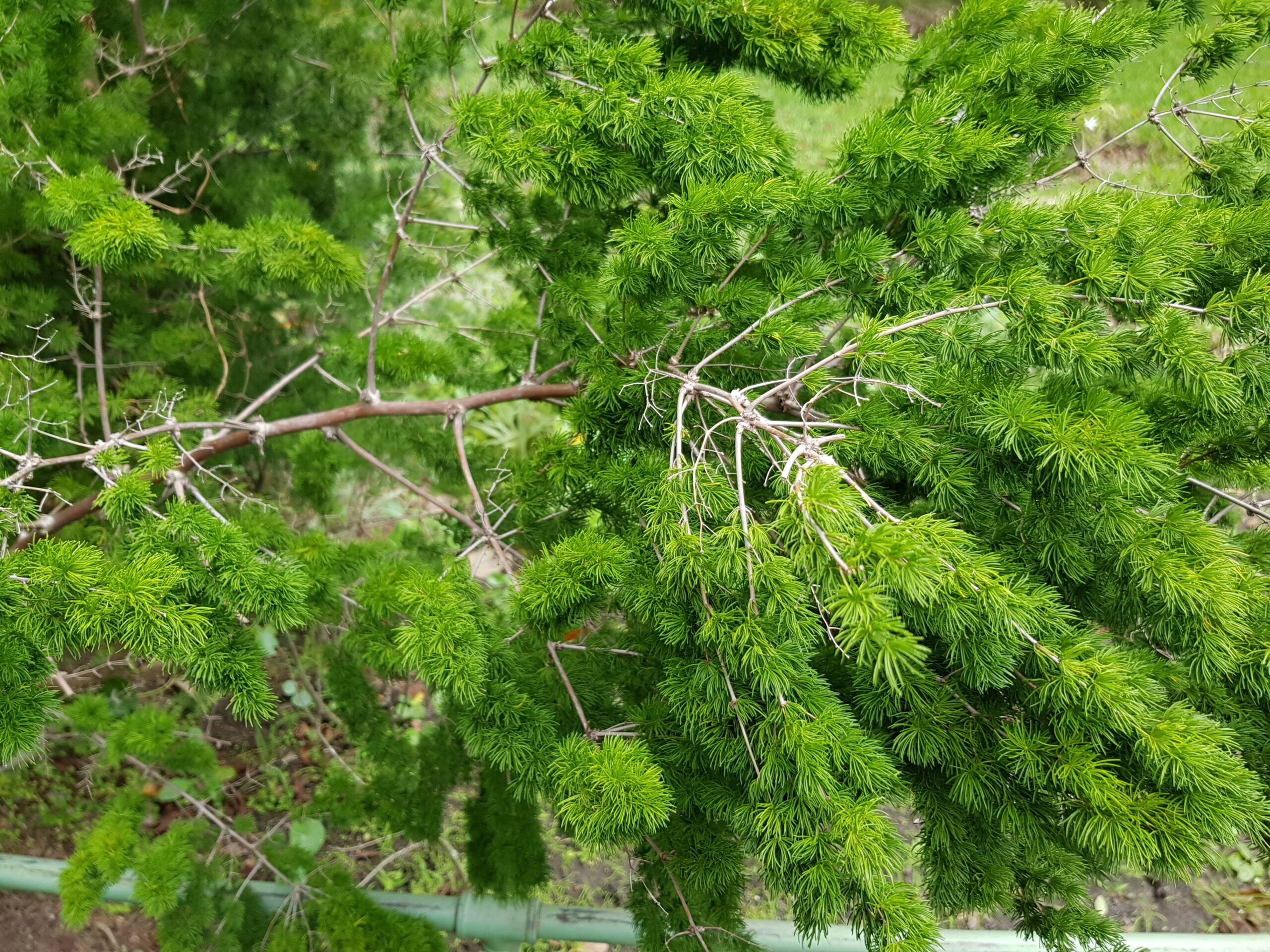
What Is Devadaru?
Devadaru (Cedrus deodara) belongs to the Pinaceae family. The tree grows naturally in the Himalayan region and can reach an impressive height. Its evergreen foliage and distinctive aromatic wood make it easy to recognize.
Traditionally, Ayurvedic practitioners primarily valued the heartwood of Devadaru. They used the wood in various preparations, particularly when they wanted warming, aromatic, and Vata-Kapha-supporting properties.
Furthermore, the tree has cultural significance beyond Ayurveda. People have historically associated Devadaru with sacred landscapes, temples, and Himalayan traditions.
Devadaru in Ayurveda
Ayurveda describes Devadaru as having Katu (pungent) and Tikta (bitter) rasa. It possesses Ushna (warming) virya, while its traditional properties make it particularly relevant to conditions associated with excess Kapha and Vata.
Because of these qualities, Ayurveda traditionally uses Devadaru to support:
- Healthy respiratory function
- Comfortable digestion
- Proper circulation
- Joint and muscle comfort
- Healthy elimination
- Balanced Kapha
- Vata-related discomfort
However, traditional use does not automatically establish clinical effectiveness. Therefore, people should use Devadaru preparations appropriately and seek professional Ayurvedic guidance when necessary.
How Devadaru Supports Vata and Kapha
Devadaru’s warming and aromatic qualities give it an important place in traditional Ayurvedic thinking.
Vata
Vata tends to become aggravated by cold, dryness, and irregularity. Since Devadaru has a warming nature, Ayurveda traditionally uses it in situations where coldness and stiffness accompany Vata imbalance.
Consequently, traditional preparations may support comfort in areas affected by Vata-related stiffness or discomfort.
Kapha
Kapha tends to increase with heaviness, sluggishness, excess mucus, and cold conditions. Devadaru’s warming and penetrating qualities traditionally make it useful when Kapha becomes excessive.
For this reason, Ayurveda has traditionally incorporated Devadaru into preparations aimed at supporting respiratory and digestive balance.
Traditional Uses of Devadaru
Devadaru has a long history of traditional use. Ayurvedic practitioners have used its wood and other parts in different preparations depending on the individual’s constitution and health needs.
Respiratory Support
Traditional Ayurveda uses Devadaru in formulations intended to support comfortable breathing and balanced Kapha. Its aromatic qualities also make it particularly interesting in traditional approaches to respiratory wellness.
However, persistent cough, breathing difficulty, wheezing, or chest discomfort requires proper medical evaluation rather than self-treatment.
Digestive Wellness
Devadaru’s pungent and warming qualities have traditionally connected it with Agni, or digestive strength. Ayurveda uses warming herbs when sluggish digestion occurs alongside excess Kapha or Vata.
Therefore, Devadaru may appear in traditional formulations designed to support healthy digestion.
Joint and Muscle Comfort
Ayurvedic traditions have also used Devadaru in preparations for joint and muscular discomfort. Its warming nature fits the Ayurvedic approach to conditions involving coldness, stiffness, and aggravated Vata.
As a result, Devadaru oil and other external preparations have traditionally found a place in Ayurvedic practices.
Supporting Healthy Elimination
Ayurveda also associates Devadaru with traditional approaches that encourage healthy movement and elimination. This connection again reflects its relationship with Vata and Kapha management.
Devadaru and Ayurvedic Formulations
Devadaru does not always appear as a standalone remedy. Instead, Ayurvedic texts include it in various herbal combinations.
Practitioners may combine Devadaru with other herbs according to the individual’s dosha, Agni, symptoms, strength, age, and overall health.
This approach represents an important principle of Ayurveda: one herb does not necessarily suit everyone in the same way. Therefore, traditional formulations require appropriate selection and dosage.
Devadaru as an Aromatic Tree
One of Devadaru’s most distinctive features is its fragrance. The heartwood contains naturally aromatic compounds that have contributed to its traditional use.
Historically, people valued Devadaru wood for more than medicinal preparations. They also used it for construction, religious purposes, and other traditional applications.
In addition, the tree’s association with the Himalayas gives Devadaru an important ecological and cultural identity.
What Does Modern Research Say?
Modern research has investigated Cedrus deodara for several biological activities. Laboratory and experimental studies have examined compounds from the tree for properties such as antioxidant, antimicrobial, and anti-inflammatory activity.
Nevertheless, laboratory findings do not automatically prove that a traditional preparation will produce the same effects in humans. More high-quality clinical research remains necessary.
Therefore, it makes sense to appreciate modern research as complementary evidence rather than as a replacement for traditional knowledge or medical care.
How Devadaru Fits Into Ayurvedic Wellness
Ayurveda views health through the balance of Doshas, Agni, Dhatus, and Malas. Devadaru fits particularly well into traditional approaches that focus on Vata-Kapha balance.
Its warming nature may make it relevant when coldness, heaviness, sluggishness, or stiffness accompany an imbalance. However, someone with strong Pitta characteristics may require greater caution because excessively warming herbs may not always suit Pitta-dominant conditions.
For that reason, individualized Ayurvedic guidance remains important.
Why Devadaru Deserves to Be Remembered
Many traditional trees have gradually disappeared from everyday conversations about wellness. Devadaru is one such example.
Yet, this Himalayan tree carries centuries of Ayurvedic knowledge. Its aromatic wood, warming qualities, and traditional connection with Vata and Kapha make it an important part of India’s herbal heritage.
Moreover, rediscovering such plants reminds us that Ayurveda includes far more than a handful of popular herbs. Ancient practitioners developed an extensive botanical tradition that included trees, shrubs, roots, seeds, flowers, and resins.
Devadaru therefore deserves a place among the Forgotten Trees of Ayurveda.
Frequently Asked Questions
1. What is Devadaru in Ayurveda?
Devadaru is the Ayurvedic name for Cedrus deodara, commonly known as the Himalayan cedar or deodar cedar. Ayurveda traditionally values its aromatic wood and warming properties.
2. What are the traditional benefits of Devadaru?
Ayurveda traditionally uses Devadaru to support respiratory wellness, digestion, joint and muscle comfort, and Vata-Kapha balance.
3. Which doshas does Devadaru balance?
Devadaru traditionally supports Vata and Kapha balance because of its warming and aromatic qualities.
4. What part of Devadaru does Ayurveda traditionally use?
Ayurvedic traditions primarily use the heartwood of Devadaru. Practitioners may also use other preparations depending on the formulation.
5. Is Devadaru suitable for everyone?
Not necessarily. Devadaru has warming qualities, so its suitability can vary according to constitution, dosha balance, health condition, and dosage. Consult a qualified Ayurvedic practitioner before using concentrated preparations.
6. What is the botanical name of Devadaru?
The botanical name of Devadaru is Cedrus deodara.
7. Why is Devadaru called the “wood of the gods”?
The Sanskrit name Devadaru translates roughly as “wood of the gods.” The name reflects the tree’s traditional sacred and cultural associations.
Final Thoughts
Forgotten Trees of Ayurveda Devadaru introduces us to a remarkable Himalayan tree with a long history in Ayurvedic tradition. Its aromatic heartwood and warming qualities have made it particularly relevant to traditional approaches involving Vata and Kapha.
Today, Devadaru deserves renewed attention as part of India’s rich botanical heritage. At the same time, we should distinguish traditional uses from scientifically established medical benefits.
As we continue exploring forgotten Ayurvedic trees, Devadaru reminds us that ancient herbal wisdom extends far beyond the plants we commonly discuss today.

Hello!!
I’m Dr. Malini Bhat MD (Ayu); an Ayurvedic Doctor and a health blogger. Follow me on social media to get daily health tips which you can easily adapt to a healthy lifestyle.