Forgotten Trees of Ayurveda Ashoka brings attention to one of India’s most respected traditional medicinal trees. Known botanically as Saraca asoca, Ashoka has a long history in Ayurveda and Indian culture. Its beautiful orange-red flowers make it visually striking, while its bark has earned an important place in traditional Ayurvedic formulations.
For centuries, Ayurvedic practitioners have associated Ashoka particularly with women’s health. Traditional preparations containing Ashoka have been used to support healthy menstrual cycles, reproductive wellness, and normal uterine function. However, Ashoka represents much more than a women’s wellness herb. Its traditional properties also connect it with digestion, skin health, and the body’s natural balance.
Today, many people recognize Ashoka mainly because of Ashoka-based Ayurvedic formulations. Nevertheless, the tree itself deserves attention as an important part of India’s traditional botanical heritage.
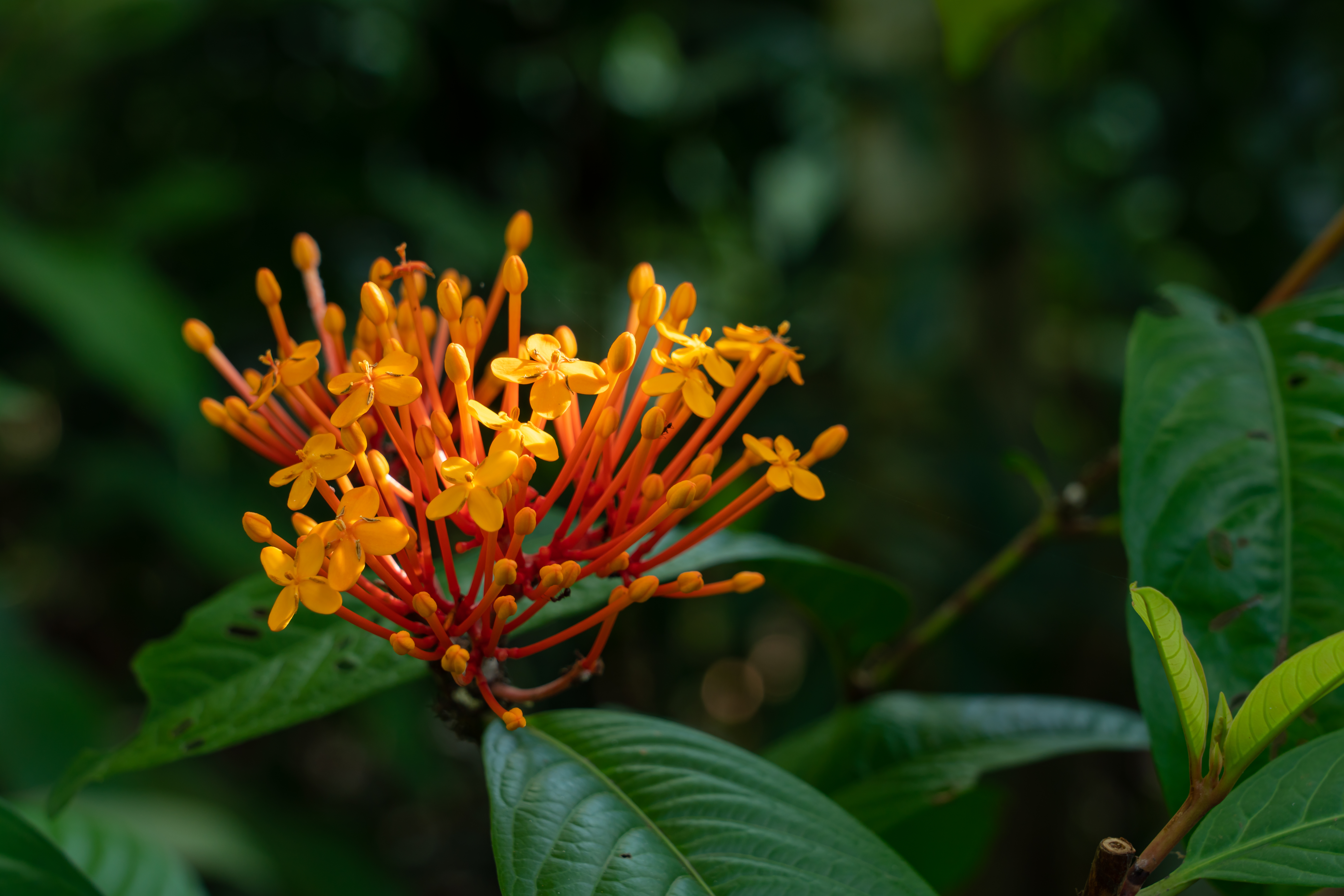
What Is Ashoka?
Ashoka, or Saraca asoca, belongs to the Fabaceae family. The tree produces clusters of fragrant flowers that change from yellow or orange to deeper orange-red shades as they mature.
The name Ashoka carries cultural significance as well. In Sanskrit, “Ashoka” refers to freedom from sorrow or grief. Consequently, the tree holds both medicinal and symbolic importance in Indian traditions.
Ayurveda traditionally uses the bark, flowers, and other parts of Ashoka in different preparations. Among these, the bark remains especially well known in classical Ayurvedic formulations.
Ashoka in Traditional Ayurveda
Ashoka has a particularly strong connection with women’s reproductive health in traditional Ayurveda.
Ayurvedic practitioners have traditionally used Ashoka preparations to support healthy menstrual function and uterine health. Its traditional applications include concerns associated with excessive menstrual bleeding, menstrual discomfort, and irregular cycles.
However, Ayurveda does not treat every menstrual concern in the same way. Practitioners consider factors such as Dosha, Agni, Prakriti, age, diet, lifestyle, and the nature of the symptoms before choosing a formulation.
Therefore, Ashoka should not be viewed as a universal remedy for every menstrual problem.
Traditional Uses of Ashoka
Ashoka has several traditional applications in Ayurveda. Let’s explore some of its best-known uses.
1. Supports Menstrual Health
Ashoka has a strong reputation in traditional Ayurvedic women’s wellness.
Ayurvedic practitioners have traditionally included Ashoka bark in formulations designed to support a healthy menstrual cycle. In particular, classical preparations have traditionally focused on maintaining normal uterine function and menstrual balance.
As a result, Ashoka remains one of the better-known Ayurvedic trees associated with women’s health.
2. Traditionally Supports Uterine Health
Traditional Ayurveda considers Ashoka a valuable herb for maintaining healthy uterine function.
Practitioners have historically used Ashoka bark in formulations that support the female reproductive system. Furthermore, Ayurvedic texts associate the plant with maintaining balance in conditions involving the uterus and menstrual cycle.
However, persistent menstrual abnormalities require proper medical evaluation rather than self-treatment.
3. Supports Healthy Menstrual Flow
Traditional Ayurvedic practice has used Ashoka in formulations for managing excessive menstrual flow.
Its traditional use reflects Ayurveda’s emphasis on maintaining balance within the reproductive system. Nevertheless, heavy or prolonged bleeding can have many causes, so professional evaluation remains important.
4. Traditionally Used for Menstrual Discomfort
Ashoka also appears in traditional formulations aimed at supporting menstrual comfort.
Ayurvedic practitioners may combine Ashoka with other herbs depending on the person’s constitution and symptoms. Therefore, the complete formulation often matters more than one individual herb.
5. Supports Digestive Health
Although Ashoka has become famous for women’s wellness, Ayurveda also recognizes other traditional applications.
Its bark has traditionally appeared in preparations associated with digestive health. Moreover, Ayurveda considers healthy digestion and proper Agni essential for maintaining overall balance.
6. Traditional Skin Applications
Ashoka has also found a place in traditional approaches to skin health.
Ayurvedic traditions have used different plant parts in external and internal preparations intended to support healthy skin. However, the appropriate preparation depends on the specific concern.
Ashoka and Ayurveda’s View of Doshas
Ayurveda describes the body through three fundamental Doshas: Vata, Pitta, and Kapha.
Ashoka’s traditional properties can influence these Doshas differently. Consequently, practitioners consider the person’s overall constitution before recommending it.
Ashoka and Pitta
Ashoka has traditionally been associated with supporting conditions where Pitta-related heat and bleeding require attention.
Therefore, Ayurvedic practitioners have traditionally valued it in formulations connected with menstrual and reproductive health.
Ashoka and Vata
Vata plays an important role in movement and physiological functions, including the menstrual cycle.
When Vata becomes disturbed, Ayurveda may associate the imbalance with irregularity and discomfort. Practitioners therefore consider Vata carefully when selecting herbs for menstrual concerns.
Ashoka may appear in a broader formulation rather than as a standalone remedy.
Ashoka and Kapha
Ayurvedic practitioners also consider Kapha when evaluating reproductive and metabolic health.
However, the effect of Ashoka depends on the preparation, dosage, accompanying herbs, and individual constitution. Therefore, people should avoid assuming that one herb works identically for everyone.
Ashoka and Women’s Wellness
One of the strongest traditional associations of Ashoka involves women’s reproductive wellness.
Ayurvedic traditions have used Ashoka bark in classical formulations for generations. These formulations traditionally aim to support healthy menstrual function and maintain normal uterine health.
At the same time, modern readers should understand the difference between traditional use and scientifically established treatment. Traditional Ayurveda provides a historical framework, while modern clinical research continues to investigate the plant’s potential biological effects.
Ashoka and Agni
Ayurveda places great importance on Agni, or digestive and metabolic fire.
Healthy Agni supports proper digestion and metabolism. In contrast, weakened or irregular Agni may contribute to Ama formation and broader imbalances according to Ayurvedic theory.
Ashoka does not function simply as a general digestive herb. Nevertheless, its traditional applications demonstrate how Ayurvedic practitioners consider digestion, Dosha balance, and reproductive health together.
In Ayurveda, reproductive wellness does not exist separately from the rest of the body. Instead, practitioners look at the entire system.
Ashoka Bark: The Most Recognized Part
Among the different parts of the Ashoka tree, the bark has gained particular importance in traditional Ayurveda.
Ayurvedic practitioners have traditionally used Ashoka bark in decoctions and classical formulations. One of the most famous preparations associated with Ashoka is Ashokarishta.
Ashokarishta combines Ashoka with other traditional ingredients and has a long history of use in Ayurvedic women’s health practices.
However, people should use classical formulations according to appropriate professional guidance, especially when they have ongoing symptoms or take prescription medicines.
Ashoka in Traditional Indian Culture
Ashoka has a deep cultural history in India.
Ancient Indian literature, art, and traditions frequently mention the tree. Its flowers and graceful appearance have also contributed to its symbolic importance.
Furthermore, Ashoka has associations with love, beauty, fertility, and celebration in Indian cultural traditions.
Thus, Ashoka represents an interesting connection between medicine, nature, literature, and culture.
What Makes Ashoka a Forgotten Tree of Ayurveda?
Ashoka remains known among people familiar with Ayurveda, yet many people recognize only its name or a few commercial formulations.
The traditional knowledge surrounding the whole tree deserves greater attention. Its bark, flowers, cultural history, botanical identity, and role in classical formulations all contribute to its importance.
Moreover, Ashoka demonstrates how Ayurveda historically developed specialized knowledge around women’s health long before modern wellness terminology became popular.
For these reasons, Ashoka fits naturally into the Forgotten Trees of Ayurveda series.
Ashoka and Traditional Ayurvedic Formulations
Ashoka appears in several traditional Ayurvedic preparations. The best-known example is Ashokarishta, a classical fermented herbal preparation.
Traditionally, practitioners have used Ashokarishta primarily for women’s reproductive and menstrual health.
However, formulations can contain multiple herbs, and their effects do not necessarily equal the effects of Ashoka alone. Therefore, readers should distinguish between the traditional use of the whole formulation and research conducted on individual plant extracts.
Is Ashoka Safe for Everyone?
Ashoka has a long history of traditional use, but that does not make every preparation appropriate for everyone.
People who experience persistent menstrual irregularities, unexplained bleeding, severe pelvic pain, or other concerning symptoms should seek medical evaluation rather than relying solely on herbal remedies.
Pregnant or breastfeeding individuals should also seek professional advice before taking concentrated Ashoka preparations.
Likewise, anyone taking prescription medicines should discuss herbal products with a qualified healthcare professional to avoid possible interactions.
How Ayurveda Uses Ashoka
Ayurveda does not select a plant only because it has a reputation for one particular benefit.
Instead, practitioners consider the herb’s Rasa, Guna, Virya, Vipaka, Karma, and Dosha effects. They also consider the person’s age, constitution, digestive strength, symptoms, and overall health.
Therefore, the same Ashoka preparation may not suit every individual.
This individualized approach remains one of the defining principles of traditional Ayurvedic practice.
Ashoka: A Tree Worth Remembering
Ashoka represents a fascinating part of India’s medicinal and cultural heritage.
Its brilliant flowers may first attract our attention, but its traditional Ayurvedic significance goes much deeper. From its famous association with women’s wellness to its role in classical formulations such as Ashokarishta, the tree has maintained an important place in Ayurveda.
Furthermore, Ashoka reminds us that traditional medicine developed an extensive understanding of trees and plants long before modern herbal products became widely available.
As we rediscover the Forgotten Trees of Ayurveda Ashoka, we also rediscover a traditional approach that views health as a balance between the body, digestion, reproductive function, lifestyle, and nature.
Frequently Asked Questions
1. What is Ashoka in Ayurveda?
Ashoka is a traditional Ayurvedic medicinal tree known botanically as Saraca asoca. Ayurveda particularly associates its bark with women’s reproductive and menstrual health.
2. What is Ashoka traditionally used for?
Traditional Ayurveda uses Ashoka in preparations that support healthy menstrual cycles, uterine function, reproductive wellness, and menstrual comfort.
3. What is the botanical name of Ashoka?
The botanical name of Ashoka is Saraca asoca.
4. Which part of Ashoka is commonly used in Ayurveda?
Ayurvedic traditions commonly use the bark of Ashoka. Traditional practices also use flowers and other parts of the tree.
5. What is Ashokarishta?
Ashokarishta is a classical Ayurvedic fermented herbal formulation that contains Ashoka along with other traditional ingredients. Ayurveda traditionally uses it mainly in women’s health practices.
6. Is Ashoka good for menstrual health?
Ayurvedic traditions have traditionally used Ashoka to support healthy menstrual function and uterine health. However, persistent or severe menstrual symptoms require professional medical evaluation.
7. Is Ashoka the same as Saraca indica?
Ashoka commonly appears under the botanical name Saraca asoca, while Saraca indica has historically been used as another name in some sources. Botanical classification and naming can vary across references.
8. Can everyone take Ashoka?
Not necessarily. The appropriate preparation and dosage depend on individual factors. Pregnant or breastfeeding individuals and people taking medicines should seek professional advice before using concentrated Ashoka preparations.
Final Thoughts
Forgotten Trees of Ayurveda Ashoka highlights a tree with an extraordinary connection to traditional Indian medicine and culture.
Although people often associate Ashoka mainly with women’s health, its history extends much further. Its bark, flowers, classical formulations, and cultural symbolism all contribute to its importance.
Most importantly, Ashoka reminds us that Ayurveda’s traditional plant knowledge encompasses far more than today’s most popular herbs. By revisiting these lesser-discussed trees, we can better appreciate the depth and diversity of India’s Ayurvedic heritage.
Disclaimer: This article describes traditional Ayurvedic uses of Ashoka for educational purposes. It does not provide medical advice or replace diagnosis, treatment, or guidance from a qualified healthcare professional.

Hello!!
I’m Dr. Malini Bhat MD (Ayu); an Ayurvedic Doctor and a health blogger. Follow me on social media to get daily health tips which you can easily adapt to a healthy lifestyle.