Ajwain may be a familiar ingredient in Indian kitchens, yet many people overlook its traditional importance in Ayurveda. Ajwain benefits in Ayurveda are closely connected with digestion, appetite, Agni, and the traditional management of heaviness and discomfort after meals. Although people often use these tiny aromatic seeds only as a spice, Ajwain has long held a valuable place in traditional kitchen remedies.
Known for its strong aroma and pungent taste, Ajwain can add warmth and intensity to food. More importantly, Ayurveda traditionally values Ajwain for its heating qualities and its ability to support healthy digestive function.
What Is Ajwain?
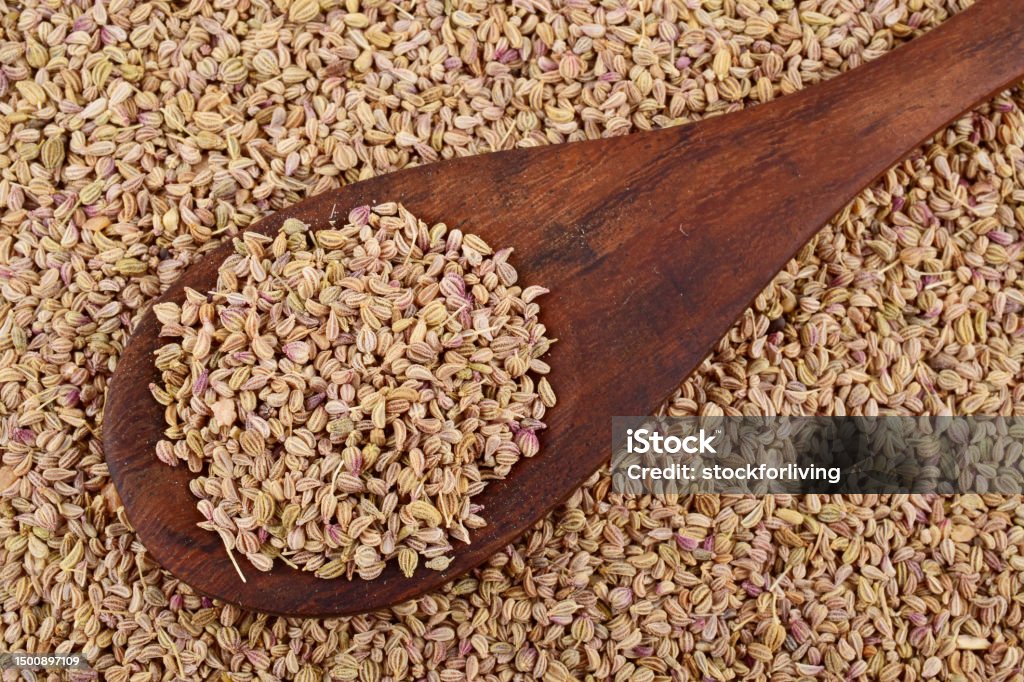
Ajwain, also known as carom seeds, comes from the plant Trachyspermum ammi. Despite their small size, the seeds have a powerful aroma and a sharp, distinctive flavour.
Traditionally, Indian households have used Ajwain in cooking as well as in simple home preparations. For example, people may add it to parathas, lentil dishes, savoury snacks, and digestive preparations.
However, Ajwain is more than an ordinary kitchen spice. Ayurveda traditionally considers it a warming ingredient that may help support Agni, the digestive and metabolic principle described in Ayurvedic texts.
Ajwain Benefits in Ayurveda and Digestive Health
One of the most well-known Ajwain benefits in Ayurveda relates to digestion. According to Ayurvedic principles, strong and balanced Agni plays an important role in the proper digestion and transformation of food.
When Agni becomes sluggish, Ayurvedic theory associates this imbalance with heaviness, reduced appetite, and the formation of Ama, or incompletely processed metabolic waste.
Therefore, traditional Ayurvedic preparations may include warming herbs and spices to encourage digestive activity. Ajwain is one such kitchen herb.
Its pungent and warming nature traditionally makes it suitable for supporting digestion, especially when food feels heavy or difficult to process.
Ajwain and Agni
Ayurveda places great importance on Agni. However, modern life can challenge healthy digestion. Irregular meal timings, overeating, sedentary habits, and frequent consumption of highly processed foods may contribute to digestive discomfort.
Traditionally, Ajwain is used as a warming spice that supports digestive fire.
For instance, adding a small amount of Ajwain to certain meals may enhance flavour while also supporting the traditional Ayurvedic goal of maintaining balanced Agni.
Nevertheless, Ayurveda does not treat every digestive concern in the same way. A person’s constitution, current imbalance, diet, lifestyle, and digestive strength all matter.
Ajwain and Vata Balance
Ajwain’s warming nature gives it a special place in traditional approaches to Vata-related digestive discomfort.
In Ayurvedic theory, aggravated Vata may contribute to dryness, irregular digestion, bloating, and the sensation of gas. Therefore, warming and aromatic kitchen herbs may form part of dietary approaches designed to support Vata balance.
Ajwain is traditionally included in foods and preparations intended to encourage digestive comfort and reduce the feeling of heaviness or irregularity.
However, people with significant digestive symptoms should not rely solely on kitchen remedies. Persistent or severe symptoms require appropriate medical evaluation.
Ajwain and Kapha
Ayurveda also traditionally associates Ajwain with qualities that can help counter excessive heaviness and sluggishness.
Kapha is linked with qualities such as heaviness, coolness, and stability. Therefore, warming and pungent ingredients often appear in traditional dietary practices intended to balance Kapha.
Ajwain’s strong, warming character makes it a natural addition to such preparations.
Furthermore, using aromatic spices can make simple meals more flavourful without relying heavily on rich sauces or excessive amounts of salt.
Traditional Ways to Use Ajwain
Ajwain can easily become part of everyday cooking. However, because of its strong flavour, a small quantity often goes a long way.
Add Ajwain to Everyday Foods
You can add Ajwain to:
- Parathas and rotis
- Lentil and bean dishes
- Vegetable preparations
- Pakoras and savoury snacks
- Digestive spice blends
- Traditional Indian breads
Additionally, lightly roasting Ajwain before using it can enhance its aroma.
Ajwain Infused Water
A traditional home preparation involves simmering a small quantity of Ajwain in water and consuming the strained liquid.
People traditionally use such preparations after heavy meals or during periods of digestive discomfort. However, the appropriate quantity can vary depending on individual tolerance and constitution.
Therefore, moderation remains important.
Ajwain in Cooking
Perhaps the simplest way to enjoy Ajwain is through food. When used in moderation, it adds a warm and aromatic flavour to meals.
Moreover, regular culinary use allows Ajwain to become part of a balanced dietary pattern rather than relying on large quantities at one time.
Why Ajwain Is a Forgotten Ayurvedic Kitchen Herb
Modern kitchens often contain expensive supplements and imported superfoods. Meanwhile, traditional ingredients such as Ajwain may sit quietly in the spice cabinet.
Yet, Ajwain represents an important Ayurvedic idea: wellness may begin with everyday habits.
The spices we choose, the way we prepare food, and the attention we give to digestion can all form part of a mindful lifestyle.
Therefore, rediscovering Ajwain does not require turning it into a miracle remedy. Instead, it means appreciating the traditional wisdom behind a simple kitchen ingredient.
Its small seeds carry a long culinary history, a distinctive flavour, and an important place in traditional Ayurvedic dietary practices.
How to Include Ajwain Mindfully
If you want to explore Ajwain benefits in Ayurveda, begin with small culinary amounts.
For example, you can add a pinch to dough, lentils, or vegetable dishes. You can also combine Ajwain with other traditional spices according to your taste and tolerance.
At the same time, remember that Ayurveda focuses on individuality. A food or herb that suits one person may not suit another person in the same quantity.
Consequently, pay attention to how your body responds.
A balanced diet, regular meal timings, adequate rest, and mindful eating remain equally important.
Ajwain: A Small Seed With Traditional Wisdom
Ajwain may be tiny, but its place in the Indian kitchen is significant. From traditional digestive preparations to everyday cooking, this aromatic seed has supported generations of culinary and wellness traditions.
The traditional Ajwain benefits in Ayurveda highlight the importance of Agni, balanced digestion, and the intelligent use of warming kitchen herbs.
Instead of searching only for exotic wellness ingredients, perhaps it is worth looking again at what already exists in the kitchen.
Ajwain reminds us that traditional food wisdom often begins with simple ingredients, used thoughtfully and in moderation.
Final Thoughts
Ajwain deserves recognition as one of the forgotten Ayurvedic kitchen herbs that continues to hold relevance today. Its warming and aromatic qualities have made it a traditional ingredient in preparations designed to support digestion and balance.
However, Ajwain is not a substitute for medical treatment or professional healthcare. Use it primarily as a culinary ingredient or as part of traditional dietary practices.
Ultimately, rediscovering Ajwain means reconnecting with the simple wisdom of the kitchen—where flavour, digestion, and mindful eating can come together.
Disclaimer
This article is for educational and informational purposes only. It discusses Ajwain from a traditional Ayurvedic and culinary perspective and does not provide medical advice, diagnosis, or treatment. Ayurvedic concepts such as Vata, Kapha, Agni, and Ama belong to a traditional system of health and should not replace evidence-based medical care. If you are pregnant, breastfeeding, taking medication, managing a medical condition, or experiencing persistent digestive symptoms, consult a qualified healthcare professional before using Ajwain in medicinal quantities or concentrated preparations.

Hello!!
I’m Dr. Malini Bhat MD (Ayu); an Ayurvedic Doctor and a health blogger. Follow me on social media to get daily health tips which you can easily adapt to a healthy lifestyle.