Black cumin, commonly known as Kalonji in India, is a small black seed with a distinctive aroma and a long history in traditional food practices. Although modern kitchens often use it mainly as a seasoning for breads, pickles, and vegetable dishes, black cumin benefits in Ayurveda deserve renewed attention.
Importantly, black cumin is different from regular cumin seeds. In common Indian usage, Kalonji usually refers to Nigella sativa, while cumin refers to Cuminum cyminum. Therefore, understanding the correct herb helps preserve both its culinary identity and its traditional context.
For generations, families have added these tiny seeds to everyday meals. As a result, black cumin has remained a quiet but valuable part of traditional kitchen wisdom.
What Is Black Cumin?
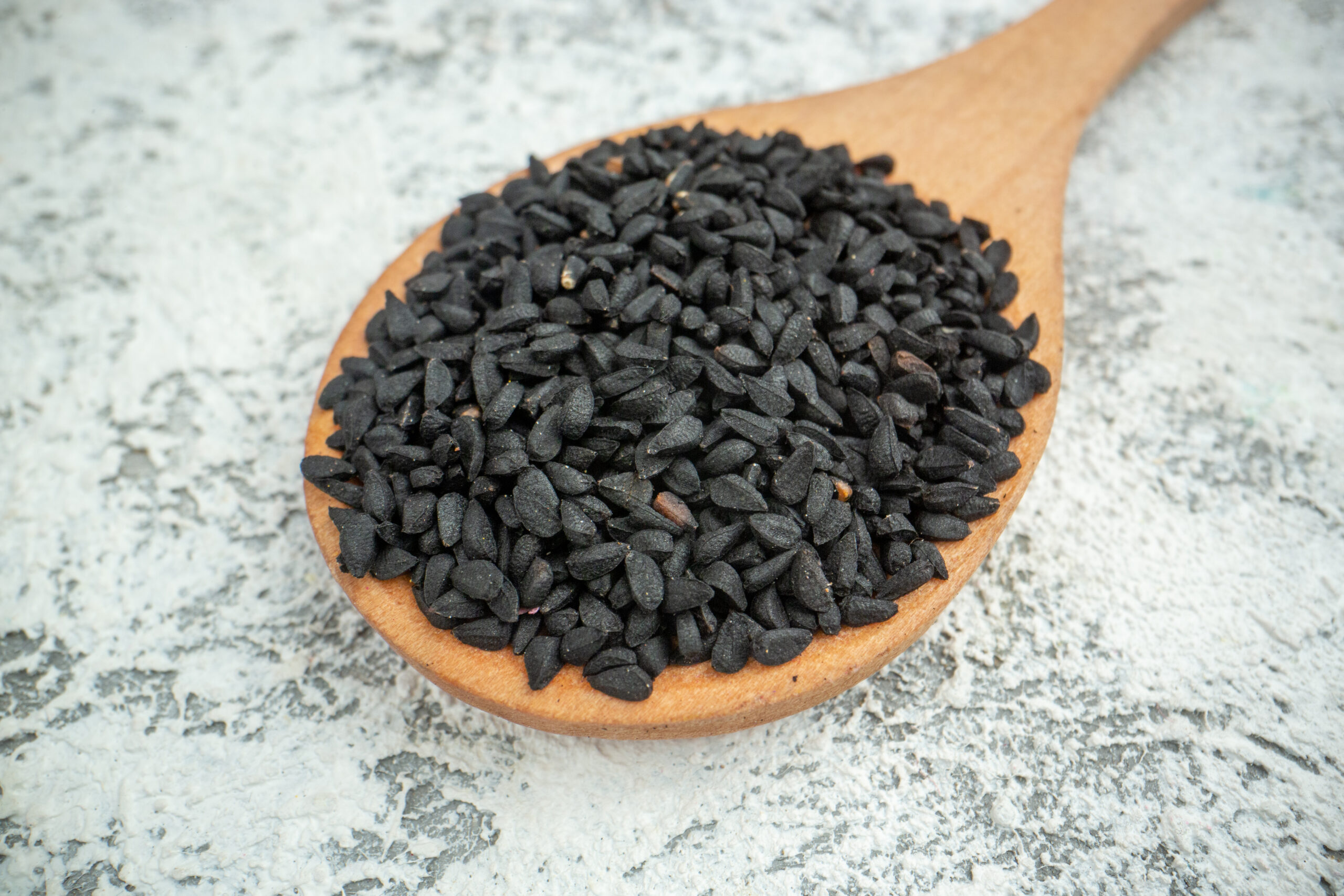
Black cumin consists of small, dark seeds with a slightly bitter, pungent, and aromatic taste. In Indian kitchens, people often know these seeds as Kalonji. They commonly appear in pickles, flatbreads, spice blends, and vegetable preparations.
Moreover, the seeds release a stronger aroma when lightly roasted or cooked in warm oil. Therefore, even a small quantity can add a distinctive character to a dish.
From a traditional perspective, herbs and spices often serve more than one purpose. They add flavour to food while also supporting the principles of balanced eating. Black cumin fits naturally into this traditional kitchen approach.
Black Cumin Benefits in Ayurveda
The discussion around black cumin benefits in Ayurveda should remain connected to traditional dietary practices rather than exaggerated health claims. Ayurveda considers food, spices, digestion, lifestyle, and individual constitution together.
Traditionally, aromatic and pungent kitchen ingredients may support the digestive process when used appropriately. Consequently, black cumin has often found a place in meals designed to feel warming and stimulating.
However, Ayurveda does not treat every herb as universally suitable. The quantity, preparation method, season, digestive strength, and individual constitution can all influence how a particular ingredient fits into a person’s diet.
Ayurvedic Properties of Black Cumin
Traditional Ayurvedic thinking often evaluates herbs according to qualities such as taste, potency, and their overall influence on the body.
Black cumin has a strong and distinctive nature. Its pungent and aromatic qualities make it particularly interesting from an Ayurvedic dietary perspective. Therefore, people have traditionally used small amounts rather than treating it as an everyday food in large quantities.
Its warming character may make it especially suitable in meals prepared during cooler weather. At the same time, individuals with a strong tendency toward heat or irritation may prefer moderation.
Black Cumin and Digestive Comfort
One of the traditional black cumin benefits in Ayurveda relates to its use in flavourful meals that support comfortable digestion.
Ayurveda places great importance on Agni, the digestive and metabolic principle. When Agni functions well, Ayurveda associates it with the efficient processing of food. Therefore, aromatic spices often play an important role in traditional cooking.
Black cumin can add depth to meals while contributing its characteristic pungent flavour. For example, it works well in vegetable dishes, lentils, breads, and pickles.
Nevertheless, more is not always better. A small culinary quantity often provides sufficient flavour without overwhelming the dish.
Black Cumin and Dosha Balance
Ayurveda views every individual through a unique combination of Vata, Pitta, and Kapha. Consequently, the same food may suit different people in different ways.
Black Cumin and Vata
Because Vata is associated with qualities such as dryness, lightness, and irregularity, warming foods and properly prepared meals may help create a sense of balance. Therefore, black cumin combined with nourishing foods and healthy fats may fit comfortably into some Vata-supportive meals.
Black Cumin and Kapha
Kapha is traditionally associated with heaviness, coolness, and sluggishness. Consequently, pungent and aromatic spices often appear in dietary approaches intended to add warmth and variety.
Black cumin’s strong flavour can complement lighter vegetable dishes and warming preparations.
Black Cumin and Pitta
Pitta has a naturally hot and intense quality. Therefore, people who experience a strong tendency toward heat may need to use pungent ingredients with greater awareness and moderation.
Ayurveda always emphasises individual suitability. Thus, black cumin should not be viewed as a one-size-fits-all ingredient.
How to Use Black Cumin in Everyday Cooking
Fortunately, adding black cumin to your kitchen routine is simple.
Add It to Vegetable Dishes
Lightly heat a small quantity of black cumin in cooking oil before adding vegetables. This method can release its aroma and distribute its flavour throughout the dish.
Use It in Homemade Pickles
Black cumin has traditionally appeared in many pickle recipes. Its distinctive flavour pairs particularly well with tangy and spicy preparations.
Sprinkle It on Flatbreads
You can add black cumin to homemade breads, rotis, or savoury baked preparations. As a result, the seeds provide both visual appeal and a pleasantly aromatic taste.
Combine It with Other Spices
Black cumin works well alongside spices such as cumin, coriander, fennel, and turmeric. However, use a balanced combination so that its strong flavour does not dominate the meal.
Black Cumin: A Small Seed with Traditional Value
The story of black cumin reminds us that many traditional kitchen ingredients have quietly supported culinary traditions for generations. While new superfoods often attract attention, familiar seeds and spices can sometimes disappear from everyday cooking.
Rediscovering black cumin benefits in Ayurveda does not mean treating the herb as a miracle remedy. Instead, it means appreciating its traditional role as part of a balanced, flavourful, and thoughtfully prepared diet.
Therefore, the next time you prepare a vegetable dish, lentil recipe, or homemade bread, consider adding a small amount of Kalonji. This forgotten Ayurvedic kitchen herb may bring a distinctive flavour and a touch of traditional wisdom back to your plate.
A Final Ayurvedic Perspective
Ayurveda encourages mindful eating and recognises that food choices should reflect individual needs. Black cumin can form part of a varied diet, particularly when used in appropriate culinary amounts.
Ultimately, the value of this humble seed lies not only in its traditional reputation but also in its ability to enrich everyday meals. By bringing black cumin back into the kitchen, we can reconnect with the simple herbs and spices that have long contributed to India’s rich food traditions.
Disclaimer
This article is intended for general educational and informational purposes only. It discusses traditional Ayurvedic perspectives and culinary uses of black cumin and does not provide medical advice, diagnosis, or treatment. Individual responses to herbs and spices may vary. If you are pregnant, breastfeeding, taking medication, or managing a medical condition, consult a qualified healthcare professional before using black cumin in medicinal or concentrated forms.

Hello!!
I’m Dr. Malini Bhat MD (Ayu); an Ayurvedic Doctor and a health blogger. Follow me on social media to get daily health tips which you can easily adapt to a healthy lifestyle.