Among the many spices stored in an Indian kitchen, asafoetida, commonly known as hing, often receives little attention. However, the asafoetida benefits in Ayurveda extend far beyond its distinctive aroma and flavour. Traditionally, Ayurvedic cooking has valued hing for its ability to support digestion, improve the appetite, and help balance certain Vata-related digestive disturbances.
Although only a small quantity is usually added to food, asafoetida can make a noticeable difference to the character of a meal. Moreover, its strong aroma becomes milder and more pleasant when heated in oil or ghee. Therefore, hing has traditionally earned a place in lentil dishes, vegetables, pickles, and other foods that may feel heavy or difficult to digest.
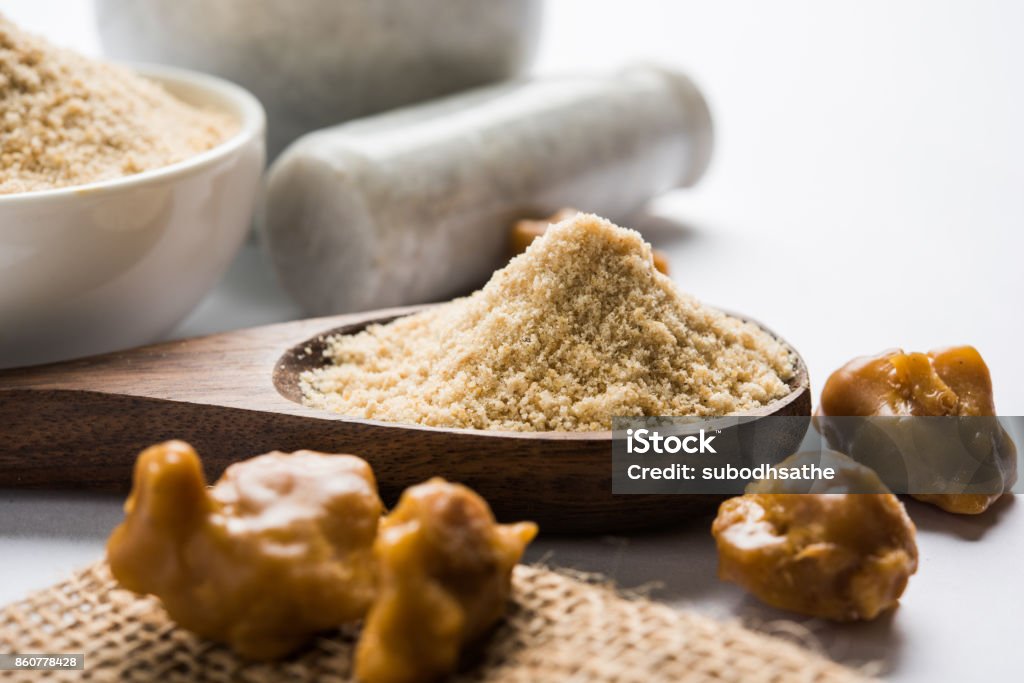
What Is Asafoetida?
Asafoetida is a dried resin obtained from the roots of certain Ferula species. In India, it is commonly known as hing. Traditionally, cooks add a small pinch to hot oil or ghee before preparing dals, curries, vegetables, and other dishes.Pure asafoetida has an intense aroma. However, heat transforms its flavour and allows it to blend into the dish. As a result, hing can add a savoury, onion-like depth to food even when used in very small amounts.Interestingly, asafoetida also became especially useful in vegetarian cooking. Since some traditional dietary practices avoid onion and garlic, hing can provide a similar depth of flavour without using either ingredient.
Asafoetida Benefits in Ayurveda
The asafoetida benefits in Ayurveda mainly relate to its traditional role in supporting healthy digestion. Ayurveda considers the quality of digestion important for overall wellbeing. Therefore, spices and herbs that support digestive comfort often play an important role in everyday meals.
Hing has traditionally been included in preparations intended to support Agni, the Ayurvedic concept associated with digestive and metabolic transformation. When digestion feels sluggish or irregular, Ayurvedic cooking may use suitable spices in small quantities to make food easier to process.
Moreover, asafoetida has traditionally been associated with reducing discomfort related to gas and bloating. For this reason, people often add hing to lentils, beans, and other foods that may produce digestive discomfort in some individuals.
Asafoetida and Vata Balance
According to Ayurvedic principles, excess Vata may contribute to qualities such as dryness, irregularity, movement, and instability. Within the digestive system, Ayurvedic theory may associate aggravated Vata with gas, abdominal discomfort, and irregular digestion.
Asafoetida has traditionally been valued for its warming and Vata-pacifying qualities. Consequently, a small amount of hing may feature in meals designed to feel more grounding and easier to digest.
For example, cooks often add hing to mung dal, vegetable dishes, or soups. Combined with other traditional kitchen spices, it can contribute to a meal that feels warming and comforting.
Why Asafoetida Is Added to Lentils and Beans
Lentils and beans provide valuable nutrients and remain important foods in many traditional diets. Nevertheless, some people may experience gas or bloating after eating them.
Therefore, traditional Indian cooking often combines these foods with digestive spices. Asafoetida is one of the best-known examples. A small pinch added during tempering can enhance flavour while traditionally supporting digestive comfort.
Other spices may also appear alongside hing, including cumin, ginger, ajwain, or coriander. Together, these ingredients create flavour while supporting the traditional principles of balanced cooking.
Asafoetida and Digestive Comfort
One of the most recognised asafoetida benefits in Ayurveda involves its traditional use for digestive comfort. Ayurvedic households have long included hing in everyday cooking rather than reserving it only for special preparations.
Its traditional use reflects an important Ayurvedic idea: food preparation can influence how a meal feels after eating. Therefore, the careful use of herbs and spices may help create meals that suit an individual’s digestive capacity.
However, more is not always better. Asafoetida has a powerful flavour, so even a small pinch can influence an entire dish. Consequently, moderate culinary use remains important.
How to Use Asafoetida in Everyday Cooking
Asafoetida is simple to include in daily meals. Traditionally, cooks briefly heat it in oil or ghee before adding other ingredients.
You can try hing in:
- Dal and lentil soups
- Bean dishes
- Vegetable curries
- Kadhi and yoghurt-based preparations
- Potato dishes
- Rice preparations
- Pickles and chutneys
- Tempering with cumin, mustard seeds, or curry leaves
Generally, a very small pinch is enough. Because hing has a concentrated aroma, adding too much can overpower the other flavours in the dish.
Asafoetida in the Ayurvedic Kitchen
The Ayurvedic kitchen traditionally considers more than taste alone. A meal may also take into account qualities such as warmth, heaviness, lightness, moisture, and digestibility.
From this perspective, asafoetida serves a practical role. Its strong, warming nature makes it particularly relevant in dishes containing ingredients that may feel heavy or produce digestive discomfort.
Furthermore, hing demonstrates how traditional cooking often uses small quantities of powerful ingredients. Instead of relying on large amounts, Ayurveda frequently emphasises balance and suitability.
A Simple Ayurvedic Hing Tempering
A traditional-style hing tempering can be prepared with a few everyday ingredients.
Ingredients
- 1 teaspoon ghee or suitable cooking oil
- A small pinch of asafoetida
- ½ teaspoon cumin seeds
- Optional: grated ginger or curry leaves
Method
First, warm the ghee or oil gently. Next, add the cumin seeds and allow them to release their aroma. Then, add a very small pinch of asafoetida.
Finally, pour the tempering over cooked dal, vegetables, or another suitable dish. This simple preparation adds flavour while following the traditional practice of combining spices thoughtfully.
Choosing Asafoetida Carefully
Not all hing products contain only pure asafoetida resin. Some commercial products include other ingredients, such as flour or starch, to make the product easier to handle.
Therefore, people with food allergies or gluten sensitivity should read ingredient labels carefully. Choosing a product that suits your dietary needs can help you use asafoetida more confidently in everyday cooking.
Final Thoughts on Asafoetida Benefits in Ayurveda
Asafoetida may be small in quantity, yet it holds a meaningful place in traditional Indian and Ayurvedic kitchens. The asafoetida benefits in Ayurveda relate primarily to its traditional role in supporting digestion, enhancing meals, and helping balance Vata-related digestive discomfort.
Moreover, hing reminds us that some of the most valuable traditional kitchen ingredients do not need elaborate preparation. A small pinch, used thoughtfully, can transform both the flavour and traditional digestive character of a meal.
As we rediscover forgotten Ayurvedic kitchen herbs, asafoetida deserves recognition as more than a seasoning. It remains a powerful example of how everyday cooking traditions can combine taste, aroma, and time-honoured wellness principles.
Disclaimer
This article is intended for general educational and informational purposes only. Traditional Ayurvedic uses of asafoetida do not replace medical advice, diagnosis, or treatment. If you are pregnant, breastfeeding, taking medication, managing a medical condition, or experiencing persistent digestive symptoms, consult a qualified healthcare professional before using asafoetida or any herbal preparation for therapeutic purposes.

Hello!!
I’m Dr. Malini Bhat MD (Ayu); an Ayurvedic Doctor and a health blogger. Follow me on social media to get daily health tips which you can easily adapt to a healthy lifestyle.