Essential vitamins and supplements for menopause support can play a significant role in helping women manage the physical and emotional changes that come with menopause. Menopause is a natural phase of life that marks the end of a woman’s reproductive years; however, the hormonal shifts that occur during this transition can trigger a variety of symptoms, including hot flashes, mood swings, sleep disturbances, fatigue, and bone loss.
While a balanced diet and healthy lifestyle remain the foundation of good health, many women turn to essential vitamins and supplements for menopause support to ease symptoms and maintain their overall well-being. In addition, certain nutrients may help support bone health, improve energy levels, and promote emotional balance during this stage of life. Therefore, understanding which nutrients offer the greatest benefits can help women navigate menopause with greater comfort, confidence, and an improved quality of life.
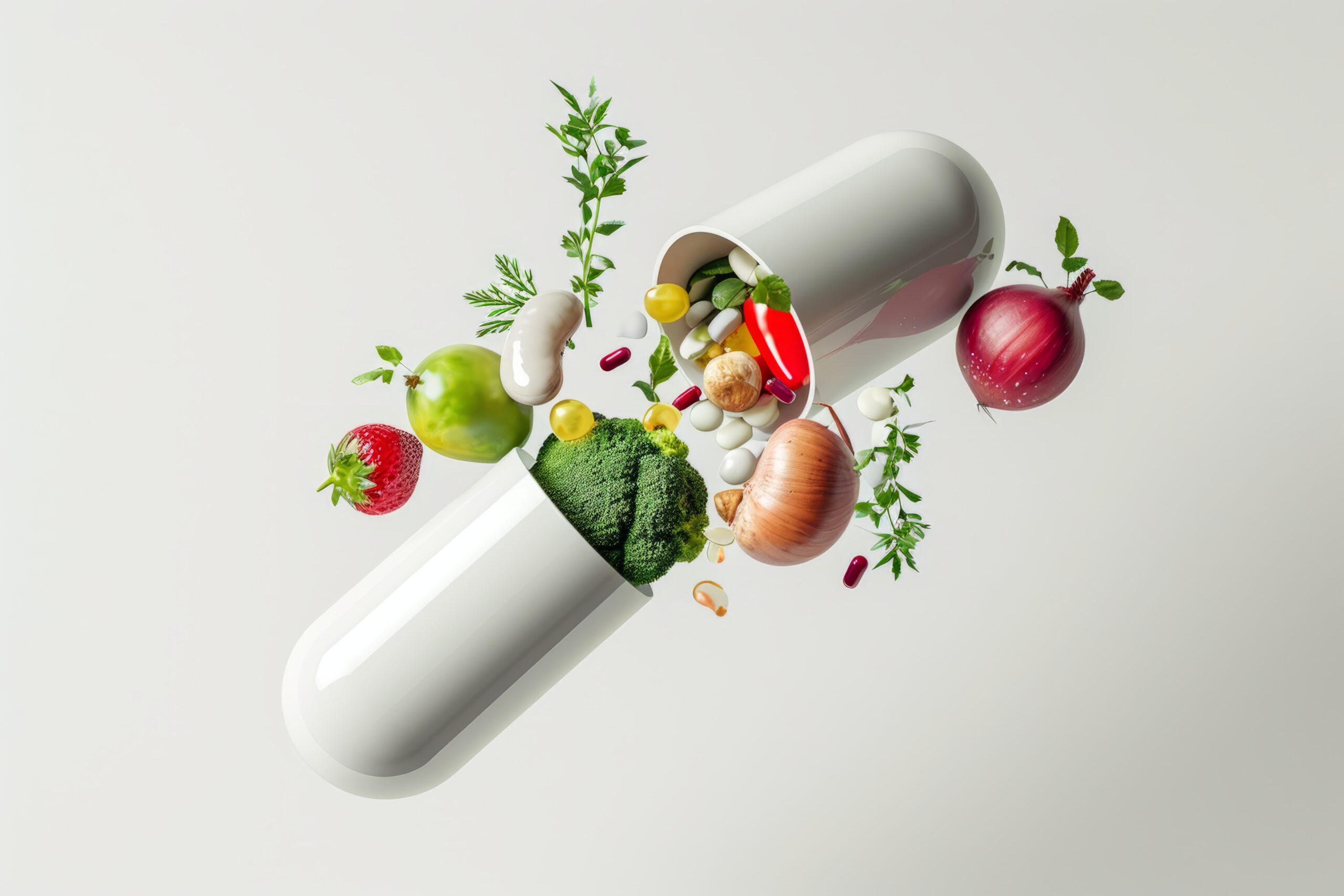
Why Nutritional Support Matters During Menopause
During menopause, estrogen levels decline significantly. As a result, women may experience changes in bone density, heart health, metabolism, and cognitive function. Moreover, nutrient absorption can become less efficient with age, increasing the risk of deficiencies.
Therefore, adding targeted vitamins and supplements to your daily routine may help:
- Support bone health
- Reduce fatigue and mood changes
- Improve sleep quality
- Promote heart health
- Ease hot flashes and night sweats
- Maintain muscle strength and energy levels
Let’s now explore the most beneficial nutrients for menopause support.
1. Vitamin D: The Bone Health Protector
Vitamin D is one of the most important nutrients during menopause. Because estrogen helps maintain bone density, declining hormone levels can increase the risk of osteoporosis and fractures. Additionally, vitamin D supports immune function and may contribute to better mood regulation.
Benefits of Vitamin D During Menopause
- Supports calcium absorption
- Helps maintain strong bones and teeth
- Supports immune system function
- May improve mood and reduce depressive symptoms
Recommended Intake
Most experts recommend 600 to 800 IU daily, although some women may require higher doses based on blood test results.
Food Sources
- Fatty fish
- Egg yolks
- Fortified milk and cereals
- Sunlight exposure
2. Calcium: Essential for Strong Bones
Calcium becomes increasingly important after menopause because bone loss accelerates due to declining estrogen levels. Furthermore, adequate calcium intake can help reduce the risk of fractures and support muscle function.
Benefits of Calcium
- Maintains bone density
- Supports muscle function
- Helps regulate heart rhythm
- Reduces the risk of osteoporosis
Recommended Intake
Women over 50 should aim for approximately 1,200 mg of calcium per day through food and supplements combined.
Food Sources
- Dairy products
- Almonds
- Tofu
- Leafy green vegetables
3. Magnesium: The Relaxation Mineral
Magnesium plays a vital role in hundreds of bodily functions. In addition, it may help improve sleep quality and promote emotional well-being. As a result, many women find magnesium particularly beneficial during menopause.
Benefits of Magnesium
- Supports better sleep
- Helps regulate mood
- Promotes bone health
- Reduces muscle cramps and tension
- May help decrease anxiety and stress
Recommended Intake
Women over 50 generally need around 320 mg daily.
Food Sources
- Nuts and seeds
- Spinach
- Whole grains
- Legumes
4. Omega-3 Fatty Acids: Supporting Heart and Brain Health
Heart disease risk increases after menopause due to hormonal changes. Therefore, omega-3 fatty acids may become even more important during this life stage. Moreover, they can help reduce inflammation and support cognitive health.
Benefits of Omega-3s
- Reduce inflammation
- Support heart health
- Promote brain function
- May improve mood and reduce depression
- Help alleviate joint discomfort
Food Sources
- Salmon
- Sardines
- Chia seeds
- Flaxseeds
- Walnuts
5. B Vitamins: Boosting Energy and Mood
Hormonal changes can affect digestion and gut health during menopause. Consequently, many women experience bloating or digestive discomfort. Fortunately, probiotics can help maintain a healthy balance of beneficial bacteria and support nutrient absorption.
Key B Vitamins for Menopause
Vitamin B6
May help regulate mood and support hormone balance.
Vitamin B12
Supports nerve function and energy production.
Folate (Vitamin B9)
Contributes to heart health and cognitive function.
Benefits of B Vitamins
- Increase energy levels
- Support brain function
- Reduce fatigue
- Help maintain emotional well-being
6. Vitamin E: Potential Relief for Hot Flashes
Vitamin E is a powerful antioxidant that may help ease certain menopausal symptoms.
Benefits of Vitamin E
- Supports skin health
- Protects cells from oxidative stress
- May reduce the frequency of hot flashes
- Supports immune function
Food Sources
- Sunflower seeds
- Almonds
- Avocados
- Spinach
7. Probiotics: Supporting Gut and Immune Health
Hormonal changes can affect digestion and gut health during menopause. Probiotics help maintain a healthy balance of beneficial bacteria.
Benefits of Probiotics
- Improve digestive health
- Support immune function
- Enhance nutrient absorption
- May positively influence mood
Food Sources
- Yogurt
- Kefir
- Sauerkraut
- Kimchi
8. Collagen: Supporting Skin and Joint Health
As estrogen declines, collagen production naturally decreases.
Benefits of Collagen Supplements
- Improve skin elasticity
- Support joint health
- Strengthen hair and nails
- Promote healthy aging
Many women notice improvements in skin hydration and joint comfort after incorporating collagen into their routine.
9. Phytoestrogens: Natural Plant Compounds
Phytoestrogens are plant compounds that mimic estrogen in the body.
Common Sources
- Soy products
- Flaxseeds
- Legumes
Potential Benefits
- Reduce hot flashes
- Support bone health
- Promote heart health
However, women with hormone-sensitive conditions should consult their healthcare provider before taking phytoestrogen supplements.
10. Black Cohosh: A Popular Herbal Supplement
Black cohosh has been widely used to help manage menopausal symptoms.
Potential Benefits
- Reduce hot flashes
- Improve sleep quality
- Support mood balance
Although many women find it helpful, research results remain mixed, and professional guidance is recommended before use.
How to Choose Menopause Supplements Safely
Not every supplement works the same way for every woman. Therefore, it is important to consider your individual needs and health history.
Look for Quality Products
Choose supplements that have been third-party tested for purity and safety. Additionally, check the ingredient list and avoid unnecessary additives.
Avoid Mega Doses
More is not always better. In fact, excessive supplementation can sometimes lead to unwanted side effects.
Speak With Your Healthcare Provider
Certain supplements may interact with medications or existing health conditions. Therefore, professional guidance is always recommended before starting a new supplement.
Focus on Overall Lifestyle
Supplements work best when combined with healthy habits. For example, regular exercise, quality sleep, stress management, and a balanced diet can significantly improve menopause symptoms.
A Sample Menopause Supplement Routine
Many women benefit from a daily routine that includes:
- Vitamin D
- Calcium
- Magnesium
- Omega-3 fatty acids
- B-complex vitamins
- Probiotics
However, individual needs vary, so personalized recommendations are always best.
Final Thoughts
Menopause is a significant life transition, but it does not have to be overwhelming. Fortunately, the right combination of essential vitamins and supplements for menopause support can help ease symptoms and protect long-term health. Furthermore, these nutrients may improve energy levels, support bone health, and promote overall well-being.
Ultimately, supplements are most effective when paired with healthy lifestyle choices. By doing so, women can better manage menopausal symptoms and embrace healthy aging with greater confidence.

Hello!!
I’m Dr. Malini Bhat MD (Ayu); an Ayurvedic Doctor and a health blogger. Follow me on social media to get daily health tips which you can easily adapt to a healthy lifestyle.