Menopause is a natural stage in a woman’s life that marks the end of menstrual cycles and reproductive years. One of the most common questions women ask is how long this transition lasts.
The answer varies because every woman experiences menopause differently. Some women notice symptoms for only a few years, while others may experience them for much longer.
In this guide, we’ll discuss the stages of menopause, common symptoms, and natural ways to make this transition easier.
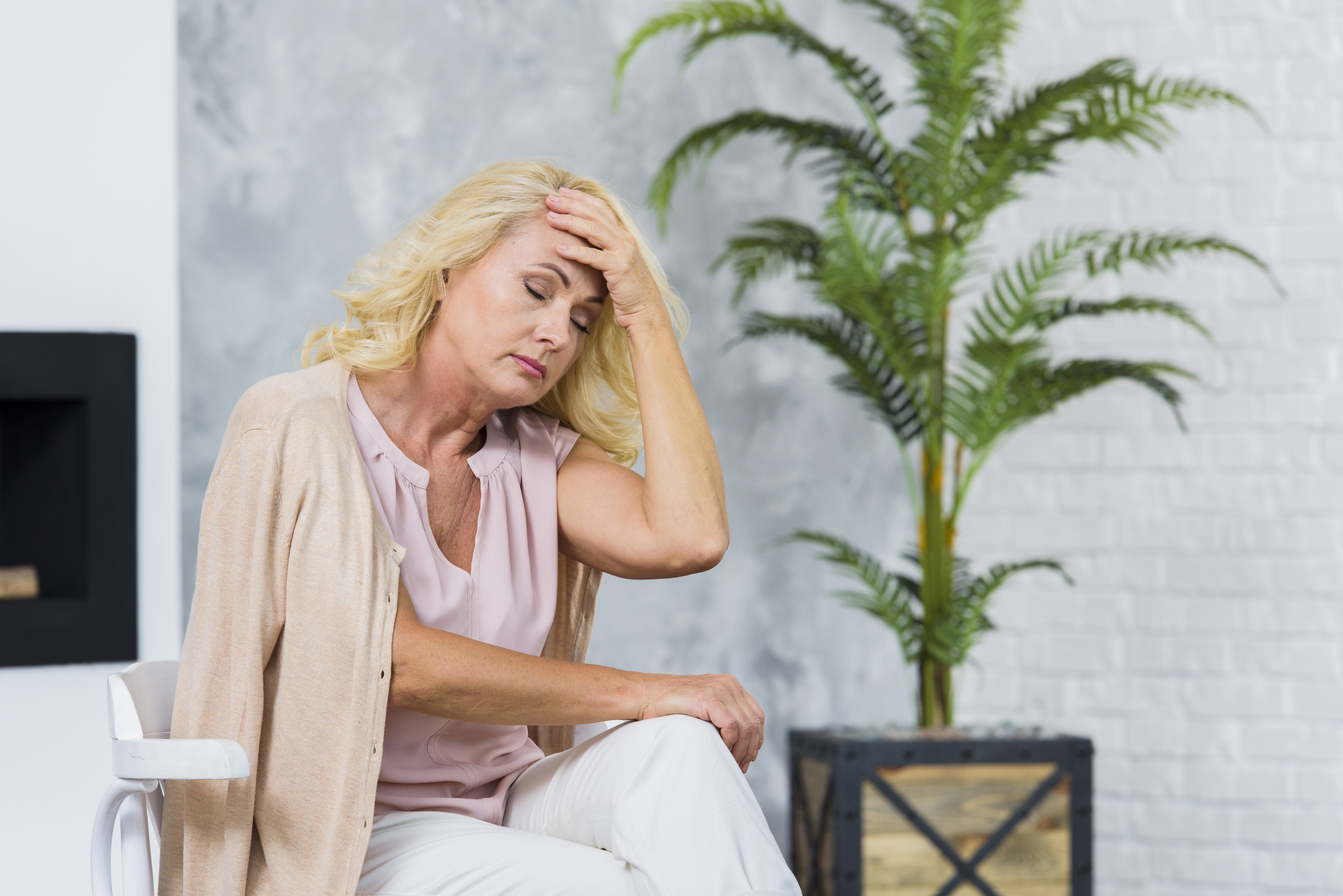
What Is Menopause?
Menopause is officially diagnosed when a woman has gone 12 consecutive months without a menstrual period. The average age of menopause is around 51 years, although it can occur earlier or later.
Importantly, menopause is not a single event but a process that unfolds over several years.
The Three Stages of Menopause
1. Perimenopause (The Transition Phase)
Perimenopause is the period leading up to menopause. During this stage, estrogen levels begin to fluctuate.
How long does it last?
- Usually 4 to 8 years
- Some women may experience it for only a few months, while others may have symptoms for up to 10 years.
Common symptoms include:
- Irregular periods
- Hot flashes
- Night sweats
- Mood changes
- Sleep problems
- Vaginal dryness
2. Menopause
Menopause itself is technically just one point in time—the day you’ve gone 12 months without a period.
At this stage:
- The ovaries significantly reduce estrogen production.
- Fertility naturally ends.
Although menopause is a single milestone, many symptoms may continue afterward.
3. Postmenopause
Postmenopause begins after menopause and lasts for the rest of a woman’s life.
How long does it last?
- The remainder of your life.
Some symptoms improve during this stage, while others can continue for several years.
So, How Long Does Menopause Last Overall?
If you include the entire menopausal transition—from perimenopause to the end of symptoms—the process may last:
- 7 to 14 years on average
- Some women experience symptoms for a shorter time.
- Others may have symptoms for more than a decade.
Research suggests that hot flashes and night sweats can last around 7 years or longer in some women.
Therefore, when asking how long does menopause last, the answer depends on your body, genetics, lifestyle, and overall health.
Factors That Affect How Long Menopause Lasts
Several factors can influence the duration and severity of menopause symptoms.
Age of Onset
Women who enter menopause earlier may experience symptoms for a longer period.
Smoking
Smoking is linked to earlier menopause and more severe symptoms.
Genetics
Your family history often provides clues about your menopausal experience.
Stress Levels
Chronic stress can worsen symptoms and make menopause feel longer.
Lifestyle Habits
Diet, exercise, and sleep quality play major roles in symptom management.
Common Symptoms of Menopause
Physical Symptoms
- Hot flashes
- Night sweats
- Weight gain
- Fatigue
- Joint pain
- Headaches
Emotional Symptoms
- Mood swings
- Anxiety
- Depression
- Irritability
- Difficulty concentrating
Sexual Health Symptoms
- Vaginal dryness
- Reduced libido
- Discomfort during intercourse
Can Menopause Symptoms Come and Go?
Yes. Many women notice that symptoms improve and then return unexpectedly.
For example:
- Hot flashes may disappear for months and then return.
- Mood changes can vary depending on stress levels.
- Sleep disturbances often fluctuate.
Therefore, how long menopause lasts can feel different from one woman to another.
Ayurvedic Perspective on Menopause
In Ayurveda, menopause is considered a natural transition known as a Vata-dominant phase of life. Hormonal changes can disturb the balance of the doshas, particularly Vata.
Ayurvedic Tips for Managing Menopause
1. Follow a Vata-Pacifying Diet
Include:
- Warm soups
- Cooked vegetables
- Healthy fats like ghee
- Nuts and seeds
Avoid:
- Excessive caffeine
- Processed foods
- Very cold foods
2. Use Adaptogenic Herbs
Some Ayurvedic herbs traditionally used for women’s wellness include:
- Ashwagandha
- Shatavari
- Brahmi
Important: Consult an Ayurvedic practitioner or healthcare provider before taking herbal supplements.
3. Practice Yoga and Meditation
Yoga and meditation may help:
- Reduce stress
- Improve sleep
- Balance mood swings
4. Self-Massage (Abhyanga)
Daily oil massage with warm sesame oil can help calm Vata and promote relaxation.
How to Make Menopause Easier
Although menopause is unavoidable, healthy habits can significantly improve your experience.
Exercise Regularly
Physical activity helps:
- Maintain a healthy weight
- Improve mood
- Support bone health
Eat a Balanced Diet
Focus on:
- Calcium-rich foods
- Protein
- Fruits and vegetables
Stay Hydrated
Drinking enough water may reduce bloating and dryness.
Prioritize Sleep
Good sleep habits can help manage fatigue and irritability.
Manage Stress
Deep breathing, meditation, and mindfulness practices can make symptoms easier to handle.
When Should You See a Doctor?
Consult your healthcare provider if you experience:
- Heavy or unusual bleeding
- Severe depression or anxiety
- Symptoms that interfere with daily life
- Menopause before age 40
- Significant sleep problems
Medical treatments and lifestyle changes can often provide relief.
Final Thoughts
So, how long does menopause last? The menopausal transition generally lasts 7 to 14 years, although the experience varies greatly from woman to woman.
Perimenopause can begin years before your final period, and some symptoms may continue well into postmenopause. Fortunately, a combination of healthy lifestyle choices, medical support, and gentle Ayurvedic practices can help make this life stage more manageable.
Remember, this transition is not an illness—it’s a natural step into a new phase of life.
Frequently Asked Questions (FAQs)
How long does the menopausal transition usually last?
The entire menopausal transition typically lasts between 7 and 14 years, although symptoms vary among women.
2. At what age does this life stage usually begin?
The average age is approximately 51 years, although it can occur earlier or later depending on individual factors.
3. Can these symptoms last forever?
No. However, some symptoms, such as vaginal dryness and occasional hot flashes, may continue into postmenopause.
4. How do I know if this transition is ending?
Symptoms like hot flashes and irregular periods generally become less frequent and less severe over time.
5. Can Ayurveda help with these symptoms?
Ayurvedic practices, including a Vata-balancing diet, yoga, meditation, and traditional herbs like Ashwagandha and Shatavari, may help support overall well-being and ease certain symptoms.
6. Is weight gain common during this phase?
Yes. Hormonal changes and aging can contribute to weight gain, especially around the abdomen.
7. Can I still get pregnant during perimenopause?
Yes. Pregnancy is still possible until you have gone 12 consecutive months without a menstrual period.

Hello!!
I’m Dr. Malini Bhat MD (Ayu); an Ayurvedic Doctor and a health blogger. Follow me on social media to get daily health tips which you can easily adapt to a healthy lifestyle.