Anal itching, medically known as pruritus ani, is a common yet uncomfortable condition. It causes an intense itching sensation in or around the anus and is often accompanied by a strong urge to scratch. Although many people feel embarrassed to talk about it, this condition is usually manageable once the cause is identified.
In some cases, anal itching is temporary. However, in others, it may persist and interfere with daily comfort and sleep.
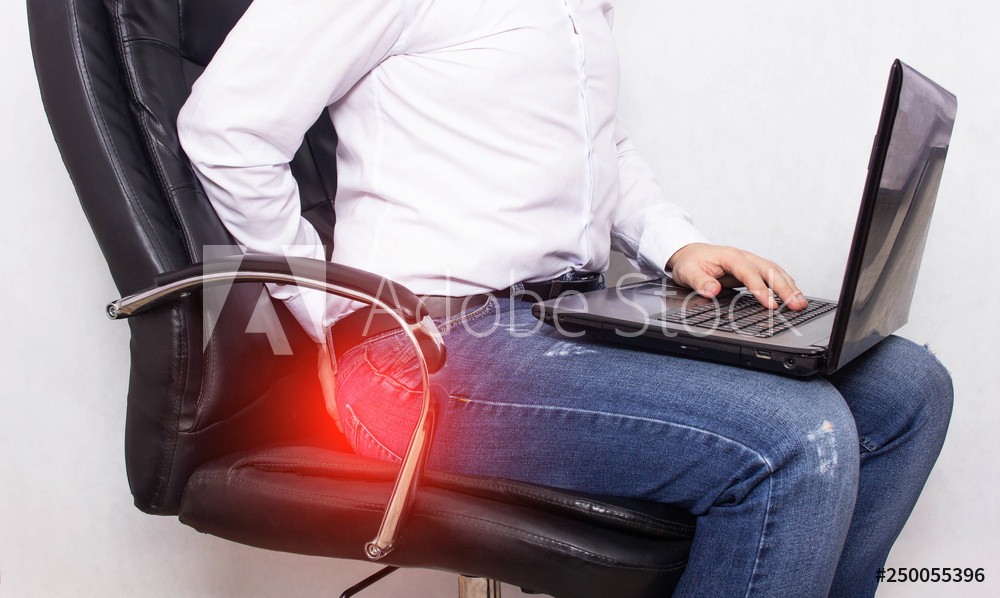
Symptoms of Anal Itching
Anal itching may present with several associated symptoms. These can vary depending on the underlying cause.
- Redness around the anal region
- Burning sensation
- Soreness or tenderness
- Skin thickening due to repeated scratching
- Increased irritation at night or after bowel movements
Sometimes the irritation lasts only a short time. However, if the cause is not treated, the itching can become chronic and more severe.
Causes of Anal Itching
There are many possible reasons for pruritus ani. In some cases, the exact cause may not be clearly identifiable.Nevertheless, common contributing factors include:
1. Irritants
Skin irritation is one of the leading causes. For example, fecal incontinence and chronic diarrhea can continuously irritate the anal skin. In addition, excessive cleaning, harsh soaps, scented wipes, or aggressive rubbing may damage the delicate skin and worsen itching.
2. Infections
Certain infections can also trigger anal itching. These include:
- Fungal (yeast) infections
- Pinworms, especially in children
- Some sexually transmitted infections
Therefore, identifying and treating infections early is important to prevent persistent discomfort.
3. Skin Conditions
Sometimes anal itching is linked to underlying skin disorders. Conditions such as psoriasis, eczema, or contact dermatitis may affect the anal area and cause ongoing irritation.
4. Other Medical Conditions
Additionally, systemic diseases can contribute to pruritus ani. These include:
- Diabetes mellitus
- Thyroid disorders
- Hemorrhoids
- Rarely, anal growths or tumors
Because of this, long-standing itching should always be evaluated properly.
Ayurvedic Understanding of Anal Itching
In Ayurveda, anal itching is often associated with Kapha imbalance, Rakta dushti (impure blood), and Krimi (parasitic or microbial factors). Therefore, treatment focuses on reducing itching, purifying the blood, balancing Kapha, and eliminating infections.
Ayurvedic Treatment Principles
1. Kandughna Oushadhas (Anti-itch Medicines)
These herbs and formulations help relieve itching and soothe irritated skin.
2. Kaphahara Oushadhas
Since Kapha aggravation can worsen moisture and itching, Kapha-reducing medicines are often prescribed.
3. Krimi Chikitsa
If parasites or infections are suspected, anti-microbial and anti-parasitic Ayurvedic medicines are used.
4. Rakta Prasadana Oushadhas
These medicines help purify the blood and reduce inflammatory skin reactions.
Commonly Used Ayurvedic Internal Medicines
Kashayam (Herbal Decoctions)
- Chandrashuradi Kashayam
- Nirgundyaadi Kashayam
- Vidalinveradi Kashayam
- Amrithotharam Kashayam
- Aaragvadadi Kashayam
Gulika / Vati (Tablets)
- Kaishora Guggulu
- Kankayana Vati
- Pancha Nimbadi Gulika
- Krimighna Vati
Lehyam (Herbal Jam)
- Manibhadra Gudam
- Madhusnuhi Rasayanam
- Gandhaka Rasayanam
Asava / Arishtam
(Avoid or use with caution in Diabetes Mellitus and liver disorders)
- Chitrakasavam
- Khadirarishtam
- Aragvadarishtam
- Nimbamruta Asavam
- Vidangarishtam
External Applications
External care is equally important. Therefore, the following are commonly advised:
- Pippalyadi Tailam for local application
- Washing the anal area with lukewarm water boiled with Triphala Churna
- Kandughna Tailam Pichu (medicated oil application)
- Nimba Tailam Pichu to reduce itching and infection
These applications help soothe the skin, reduce inflammation, and prevent infection.
Hygiene & Lifestyle Advice
Proper hygiene plays a major role in recovery. However, over-cleaning should be avoided.
✔ Wash gently with lukewarm water instead of harsh soaps
✔ Pat dry instead of rubbing
✔ Wear loose, breathable cotton underwear
✔ Change underwear daily
✔ Keep the area dry and clean
✔ Avoid very spicy foods if they worsen symptoms
When to See a Doctor
Although mild itching can improve with hygiene and home care, persistent, severe, or bleeding symptoms require medical evaluation. This is especially important if there is pain, discharge, or a history of diabetes.
Reference
Principles & Practice of Ayurvedic Clinical Medicine – Dr. L. Mahadevan

Hello!!
I’m Dr. Malini Bhat MD (Ayu); an Ayurvedic Doctor and a health blogger. Follow me on social media to get daily health tips which you can easily adapt to a healthy lifestyle.