Menstruation is a natural and essential part of a woman’s life. However, many women experience discomfort such as cramps, bloating, mood swings, fatigue, and irregular cycles. Ayurvedic menstrual care offers a holistic approach that focuses on balancing the body, mind, and hormones naturally. Instead of simply addressing symptoms, Ayurveda aims to identify and correct the root cause of menstrual imbalances.
In this article, we will explore how Ayurvedic principles can support a healthier menstrual cycle, the importance of proper nutrition, lifestyle practices, and herbs that promote overall reproductive wellness.
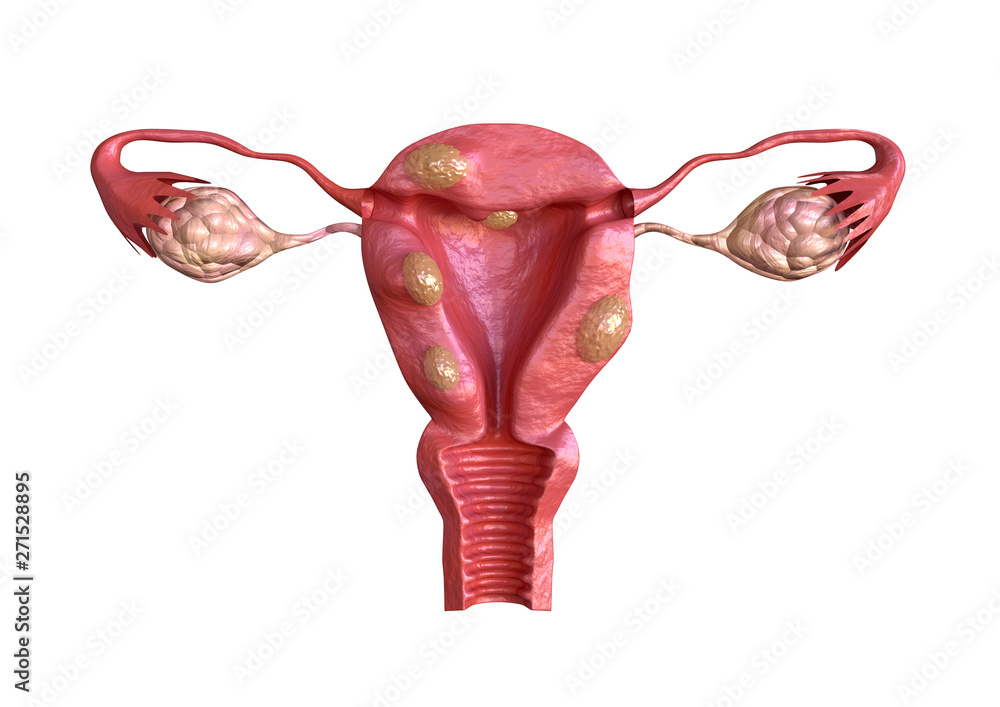
What Is Ayurvedic Menstrual Care?
Ayurvedic menstrual care is based on the ancient Indian system of medicine known as Ayurveda. According to Ayurveda, a healthy menstrual cycle reflects balanced doshas—Vata, Pitta, and Kapha—as well as proper digestion (Agni), healthy tissues (Dhatus), and efficient elimination of toxins (Ama).
When these elements remain in harmony, women are more likely to experience regular, comfortable periods. However, an imbalance may lead to painful menstruation, irregular cycles, excessive bleeding, or emotional fluctuations.
Therefore, Ayurvedic care focuses on restoring balance through diet, herbal support, daily routines, stress management, and mindful living.
Common Menstrual Problems According to Ayurveda
Different dosha imbalances can affect menstrual health in unique ways.
- Vata imbalance: Irregular periods, severe cramps, anxiety, constipation, and light flow.
- Pitta imbalance: Heavy bleeding, inflammation, irritability, acne, and burning sensations.
- Kapha imbalance: Delayed periods, sluggishness, bloating, water retention, and weight gain.
Consequently, understanding your dominant dosha can help determine the most suitable Ayurvedic lifestyle and dietary recommendations.
Benefits of Ayurvedic Menstrual Care
Ayurvedic practices provide long-term support rather than temporary relief. Some of the major benefits include:
- Supports hormonal balance naturally
- Helps regulate menstrual cycles
- Reduces period cramps and discomfort
- Improves digestion and metabolism
- Promotes emotional well-being
- Supports reproductive health
- Encourages healthy sleep and stress reduction
- Enhances overall vitality
Furthermore, these practices contribute to better health beyond the menstrual cycle.
Ayurvedic Diet for Menstrual Wellness
Nutrition plays a significant role in maintaining hormonal balance. During menstruation, Ayurveda recommends warm, nourishing, and easily digestible foods.
Foods to Include
- Warm vegetable soups
- Cooked leafy greens
- Whole grains such as rice and oats
- Fresh fruits like pomegranate and papaya
- Sesame seeds
- Ghee in moderation
- Herbal teas made with ginger or fennel
- Warm water throughout the day
Additionally, these foods help improve digestion while reducing bloating and fatigue.
Foods to Avoid
During your period, try to limit:
- Processed foods
- Refined sugar
- Excess caffeine
- Cold beverages
- Deep-fried foods
- Excessively spicy meals
As a result, your digestive system remains stronger, allowing the body to recover more efficiently.
Ayurvedic Herbs That Support Menstrual Health
Several traditional herbs are widely used in Ayurveda to promote women’s wellness.
Ashoka
Ashoka is well known for supporting uterine health and helping regulate menstrual cycles. Moreover, it may assist in reducing heavy bleeding.
Shatavari
Shatavari is considered one of the best Ayurvedic herbs for women. It supports hormonal balance, nourishes reproductive tissues, and promotes overall vitality.
Turmeric
Turmeric contains natural anti-inflammatory compounds that may help reduce menstrual discomfort while supporting immune function.
Ginger
Ginger helps improve digestion, reduce nausea, and ease menstrual cramps. Furthermore, warm ginger tea can provide soothing comfort during periods.
Note: Always consult a qualified Ayurvedic practitioner or healthcare professional before using herbal supplements, especially if you are pregnant, breastfeeding, or taking medications.
Daily Ayurvedic Practices During Menstruation
Lifestyle habits are equally important in Ayurvedic menstrual care.
Prioritize Rest
Your body requires extra energy during menstruation. Therefore, allow yourself adequate rest and avoid overexertion whenever possible.
Stay Hydrated
Warm water and herbal teas support healthy digestion while helping reduce bloating.
Practice Gentle Yoga
Light stretching, restorative yoga, and breathing exercises may ease cramps and improve circulation. However, avoid intense workouts during heavy-flow days.
Reduce Stress
Meditation, mindfulness, and deep breathing can calm the nervous system. Consequently, stress-related hormonal fluctuations may become less severe.
Maintain Good Sleep
Quality sleep supports hormone regulation and allows the body to recover naturally.
Why Digestive Health Matters
According to Ayurveda, healthy digestion is the foundation of overall wellness. Poor digestion can lead to toxin accumulation, which may contribute to hormonal imbalance and menstrual irregularities.
Therefore, eating freshly prepared meals, avoiding overeating, and following regular meal timings can improve digestive strength and support reproductive health.
When to Seek Medical Advice
Although Ayurvedic menstrual care can complement a healthy lifestyle, some symptoms require medical evaluation. Consult a healthcare professional if you experience:
- Extremely heavy bleeding
- Severe pelvic pain
- Missed periods unrelated to pregnancy
- Bleeding between cycles
- Persistent irregular menstrual cycles
- Symptoms that interfere with daily life
Early diagnosis can help identify underlying conditions such as hormonal disorders or other reproductive health concerns.
Final Thoughts
Ayurvedic menstrual care encourages women to work with their bodies rather than against them. Through balanced nutrition, supportive herbs, mindful routines, stress management, and healthy lifestyle choices, Ayurveda promotes long-term menstrual wellness and overall health.
Most importantly, every woman is unique. Therefore, adopting personalized Ayurvedic practices under the guidance of a qualified practitioner can help create a sustainable path toward hormonal balance and reproductive well-being.
By embracing Ayurvedic wisdom alongside modern medical care when needed, women can cultivate healthier menstrual cycles and improved quality of life.

Hello!!
I’m Dr. Malini Bhat MD (Ayu); an Ayurvedic Doctor and a health blogger. Follow me on social media to get daily health tips which you can easily adapt to a healthy lifestyle.