Healthy lungs are essential for overall vitality, stamina, and immunity. However, due to sedentary lifestyles, increasing pollution, frequent respiratory infections, and chronic stress, lung capacity often declines over time. As a result, many individuals experience breathlessness, fatigue, and reduced endurance. Fortunately, yoga offers a natural and effective way to strengthen the respiratory system.
By practising specific yoga poses for lung capacity, one can gradually expand the chest, improve oxygen intake, and enhance overall breathing efficiency. Moreover, from a yogic and Ayurvedic perspective, conscious breathing nourishes Prana, the vital life force, making these practices deeply restorative for lung health.
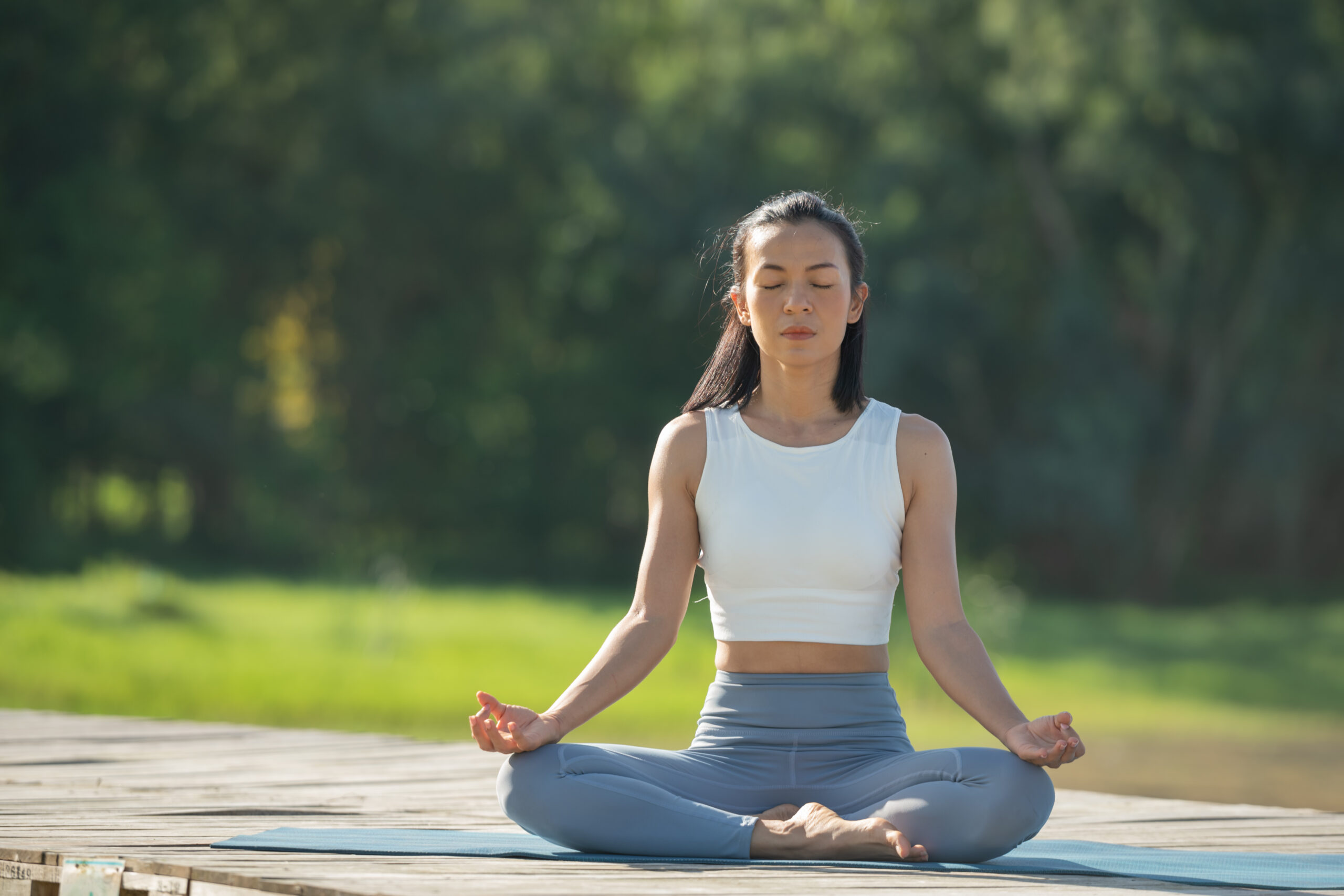
How Yoga Improves Lung Capacity
Yoga enhances lung capacity by:
- Expanding the rib cage and chest wall
- Strengthening respiratory muscles
- Improving oxygen exchange in the alveoli
- Reducing stress-induced shallow breathing
- Enhancing awareness of breath control
Furthermore, regular practice reduces stress-induced shallow breathing. Consequently, the lungs begin to function more efficiently. According to Ayurveda, lung function is primarily governed by Prana Vata and supported by Kapha Dosha. Therefore, when Kapha accumulates excessively in the chest or when Prana Vata becomes imbalanced, breathing efficiency decreases. Yoga helps restore this balance gently and naturally.
Best Yoga Poses for Lung Capacity
1. Bhujangasana (Cobra Pose)
Bhujangasana is one of the most effective yoga poses for lung capacity. Primarily, it opens the chest and lungs deeply.
Benefits:
- Firstly, it expands the chest and rib cage
- Additionally, it improves oxygen flow to the lungs
- Moreover, it strengthens the diaphragm
- Therefore, it helps relieve mild asthma and bronchial congestion
Ayurvedic insight:
This pose helps reduce Kapha accumulation in the chest region. At the same time, it stimulates Prana Vata, thereby improving respiratory vitality.
2. Dhanurasana (Bow Pose)
Dhanurasana stretches the entire front of the body. As a result, it significantly enhances lung expansion.
Benefits:
- Increases lung elasticity
- Improves breathing depth
- Strengthens respiratory muscles
- Enhances circulation to lung tissues
Ayurvedic insight:
By opening the heart and lungs, Dhanurasana supports the free flow of Prana and helps clear sluggish Kapha from the respiratory tract.
3. Matsyasana (Fish Pose)
Matsyasana is particularly beneficial for improving lung capacity and posture-related breathing issues.
Benefits:
- Opens the chest and throat
- Improves oxygen intake
- Stimulates the respiratory and endocrine systems
- Helpful in chronic cough and asthma
Ayurvedic insight:
This pose activates the Udana Vata, which governs upward movement and speech, enhancing breathing strength and clarity.
4. Setu Bandhasana (Bridge Pose)
Setu Bandhasana gently expands the chest while supporting the spine.
Benefits:
- Improves lung expansion
- Reduces breathlessness
- Strengthens intercostal muscles
- Calms the nervous system
Ayurvedic insight:
This posture balances Vata and Kapha, making it ideal for individuals with anxiety-related shallow breathing.
5. Ustrasana (Camel Pose)
Ustrasana is a deep chest-opening pose that significantly enhances lung capacity when practised regularly.
Benefits:
- Maximises lung expansion
- Improves oxygen retention
- Strengthens respiratory muscles
- Reduces stiffness in the chest
Ayurvedic insight:
This pose ignites Agni (metabolic fire) while clearing Kapha from the lungs, supporting respiratory endurance.
6. Ardha Matsyendrasana (Half Spinal Twist)
Twisting poses help detoxify and improve breathing efficiency.
Benefits:
- Enhances lung function by improving spinal flexibility
- Massages respiratory organs
- Improves posture and breathing alignment
Ayurvedic insight:
Twists help remove Ama (toxins), which can obstruct the proper flow of Prana in the chest.
7. Sukhasana with Deep Breathing
Though simple, Sukhasana combined with conscious breathing is highly effective.
Benefits:
- Improves breath awareness
- Encourages diaphragmatic breathing
- Reduces stress-induced breath restriction
Ayurvedic insight:
This practice stabilises Prana Vata and supports long-term lung health.
Breathing Practices to Enhance Lung Capacity
Yoga poses work best when combined with pranayama.
Anulom Vilom (Alternate Nostril Breathing)
- Improves oxygen exchange
- Balances Prana and Apana Vata
- Enhances lung efficiency
Bhramari Pranayama
- Reduces airway resistance
- Calms the nervous system
- Improves breath retention
Deep Diaphragmatic Breathing
- Strengthens the lungs
- Improves respiratory endurance
Ayurvedic Support for Lung Capacity
Along with yoga, Ayurveda recommends:
- Herbs: Vasa, Yashtimadhu, Pippali, and Tulsi
- Formulations: Sitopaladi Churna, Talisadi Churna (under professional guidance)
- Diet: Warm, light, Kapha-reducing foods
- Lifestyle: Avoid cold foods, practise oil massage (Abhyanga), and maintain regular sleep
Precautions
- Practise under guidance if you have asthma, COPD, or recent respiratory infections
- Avoid forceful breathing
- Stop if dizziness or breathlessness occurs
- Pregnant women should avoid deep backbends
Conclusion
Practising the best yoga poses for lung capacity consistently can significantly improve breathing efficiency, oxygen intake, and respiratory strength. When combined with pranayama and Ayurvedic lifestyle principles, yoga becomes a powerful natural tool to support long-term lung health and vitality.
Medical Disclaimer
This article is for educational purposes only and is not a substitute for professional medical advice. Always consult a qualified healthcare provider before starting any new exercise or Ayurvedic regimen.

Hello!!
I’m Dr. Malini Bhat MD (Ayu); an Ayurvedic Doctor and a health blogger. Follow me on social media to get daily health tips which you can easily adapt to a healthy lifestyle.