Fertility and reproductive health are essential aspects of overall well-being for both men and women. They influence the ability to conceive, maintain a healthy pregnancy, and support physical and emotional health throughout life. However, many people do not think about reproductive health until they begin planning for a family or experience fertility challenges.
Understanding fertility and reproductive health can help individuals make informed decisions, identify potential concerns early, and take proactive steps toward maintaining reproductive wellness.
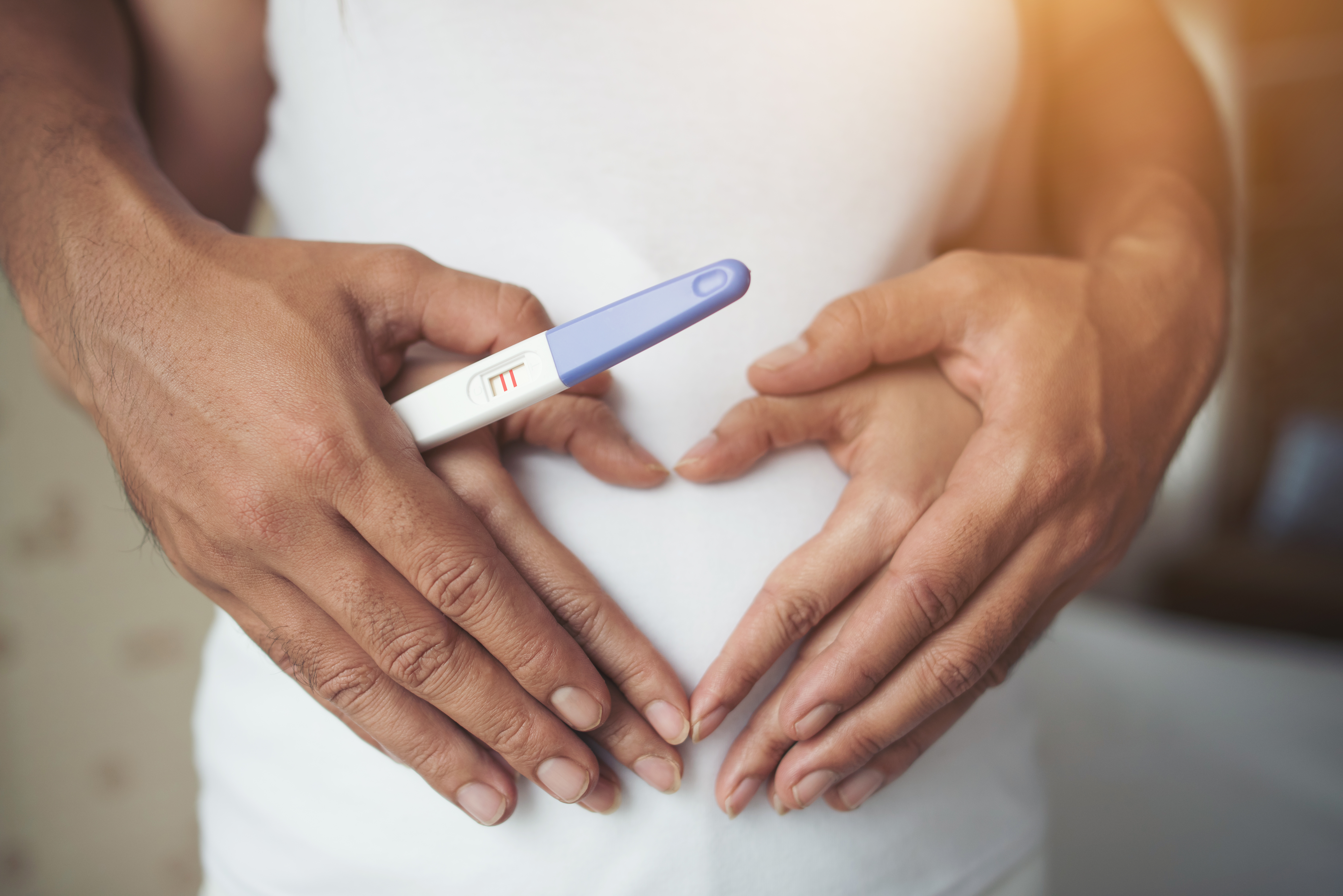
What Is Fertility and Reproductive Health?
Fertility refers to the natural ability to conceive a child and reproduce. Reproductive health, on the other hand, encompasses the health and functioning of the reproductive system at all stages of life.
According to health experts, reproductive health includes:
- Physical well-being
- Emotional well-being
- Social well-being related to reproduction and sexuality
- Access to healthcare and family planning services
Therefore, maintaining reproductive health is important not only for fertility but also for overall quality of life.
Factors That Affect Fertility
Many factors can influence fertility in both women and men.
1. Age
Age is one of the most significant factors affecting fertility.
- Women’s fertility gradually declines after age 30 and decreases more rapidly after age 35.
- Men’s fertility also declines with age, although the process is usually more gradual.
As a result, age can play a major role in conception and pregnancy outcomes.
2. Hormonal Imbalances
Hormones regulate the reproductive system. However, conditions that disrupt hormone levels can affect fertility, including:
- Polycystic ovary syndrome (PCOS)
- Thyroid disorders
- Low testosterone levels
- Premature ovarian insufficiency
3. Lifestyle Choices
Certain lifestyle habits can significantly impact reproductive health.
These include:
- Smoking
- Excessive alcohol consumption
- Poor diet
- Lack of exercise
- Chronic stress
- Inadequate sleep
Fortunately, many of these factors can be improved through healthy lifestyle changes.
4. Weight and Nutrition
Being underweight or overweight may affect hormone production and fertility.
Therefore, maintaining a healthy body weight through balanced nutrition and regular physical activity can support reproductive health.
5. Medical Conditions
Several health conditions can contribute to fertility issues, such as:
- Endometriosis
- Diabetes
- Sexually transmitted infections (STIs)
- Autoimmune diseases
- Reproductive organ disorders
Early diagnosis and treatment can often improve fertility outcomes.
Signs of Good Reproductive Health
Maintaining reproductive health involves paying attention to your body and recognizing signs of wellness, including:
For Women:
- Regular menstrual cycles
- Healthy vaginal health
- Minimal pelvic pain
- Balanced hormone levels
For Men:
- Healthy sperm production
- Normal sexual function
- Balanced hormone levels
- Good overall health
Additionally, regular medical check-ups can help identify potential problems before they become serious.
Common Fertility Problems
Female Fertility Issues
Some of the most common causes of female infertility include:
- Ovulation disorders
- Endometriosis
- Blocked fallopian tubes
- Uterine abnormalities
- Age-related fertility decline
Male Fertility Issues
Common male fertility concerns include:
- Low sperm count
- Poor sperm motility
- Hormonal imbalances
- Varicocele
- Erectile dysfunction
However, many fertility issues can be treated successfully with appropriate medical care.
How to Improve Fertility and Reproductive Health
Eat a Nutrient-Rich Diet
A healthy diet supports hormone balance and reproductive function.
Include foods rich in:
- Fruits and vegetables
- Whole grains
- Lean proteins
- Healthy fats
- Folate and zinc
Exercise Regularly
Regular physical activity can:
- Improve circulation
- Support hormone balance
- Reduce stress
- Help maintain a healthy weight
Nevertheless, excessive exercise may negatively impact fertility, so moderation is important.
Manage Stress
Chronic stress can affect hormone levels and reproductive function.
Therefore, consider stress-management techniques such as:
- Meditation
- Yoga
- Deep breathing exercises
- Spending time outdoors
Avoid Smoking and Excessive Alcohol
Smoking and heavy alcohol use can reduce fertility in both men and women. Consequently, avoiding these habits can improve reproductive health and increase the chances of conception.
Get Regular Health Screenings
Routine check-ups and reproductive health screenings can help detect problems early and support long-term wellness.
Fertility and Family Planning
Family planning allows individuals and couples to make informed decisions about pregnancy and reproductive goals.
This may include:
- Fertility awareness
- Preconception health planning
- Contraception options
- Fertility treatments when needed
Additionally, speaking with a healthcare provider before trying to conceive can help optimize health and address any concerns.
When to Seek Medical Help
You should consider consulting a healthcare professional if:
- You have been trying to conceive for one year without success.
- You are over age 35 and have been trying for six months.
- You have irregular periods or known reproductive health conditions.
- You experience symptoms such as severe pelvic pain or hormonal changes.
Early evaluation can often improve treatment options and outcomes.
The Importance of Reproductive Health Throughout Life
Reproductive health is not only about having children. Rather, it is an essential component of overall physical and emotional well-being.
By making healthy lifestyle choices, staying informed, and seeking regular medical care, individuals can protect their fertility and support lifelong reproductive wellness.
Conclusion
Fertility and reproductive health play a crucial role in overall health and family planning. Although fertility challenges can sometimes occur, many factors that affect reproductive wellness can be managed through healthy habits, early intervention, and proper medical care.
Ultimately, understanding your reproductive health empowers you to make informed decisions, protect your well-being, and improve your chances of achieving your family and health goals.

Hello!!
I’m Dr. Malini Bhat MD (Ayu); an Ayurvedic Doctor and a health blogger. Follow me on social media to get daily health tips which you can easily adapt to a healthy lifestyle.