Knowing how to strengthen lungs naturally has become increasingly important, especially in modern lifestyles. Even though many people sleep well and eat right, they still feel their breathing is weaker after illness, prolonged stress, or inactivity. As a result, daily activities may feel more exhausting than before.
In fact, weak breathing does not always indicate lung disease. Instead, it often reflects poor breathing patterns, reduced chest expansion, or weakened respiratory muscles. Fortunately, lung strength can be rebuilt naturally with the right approach.
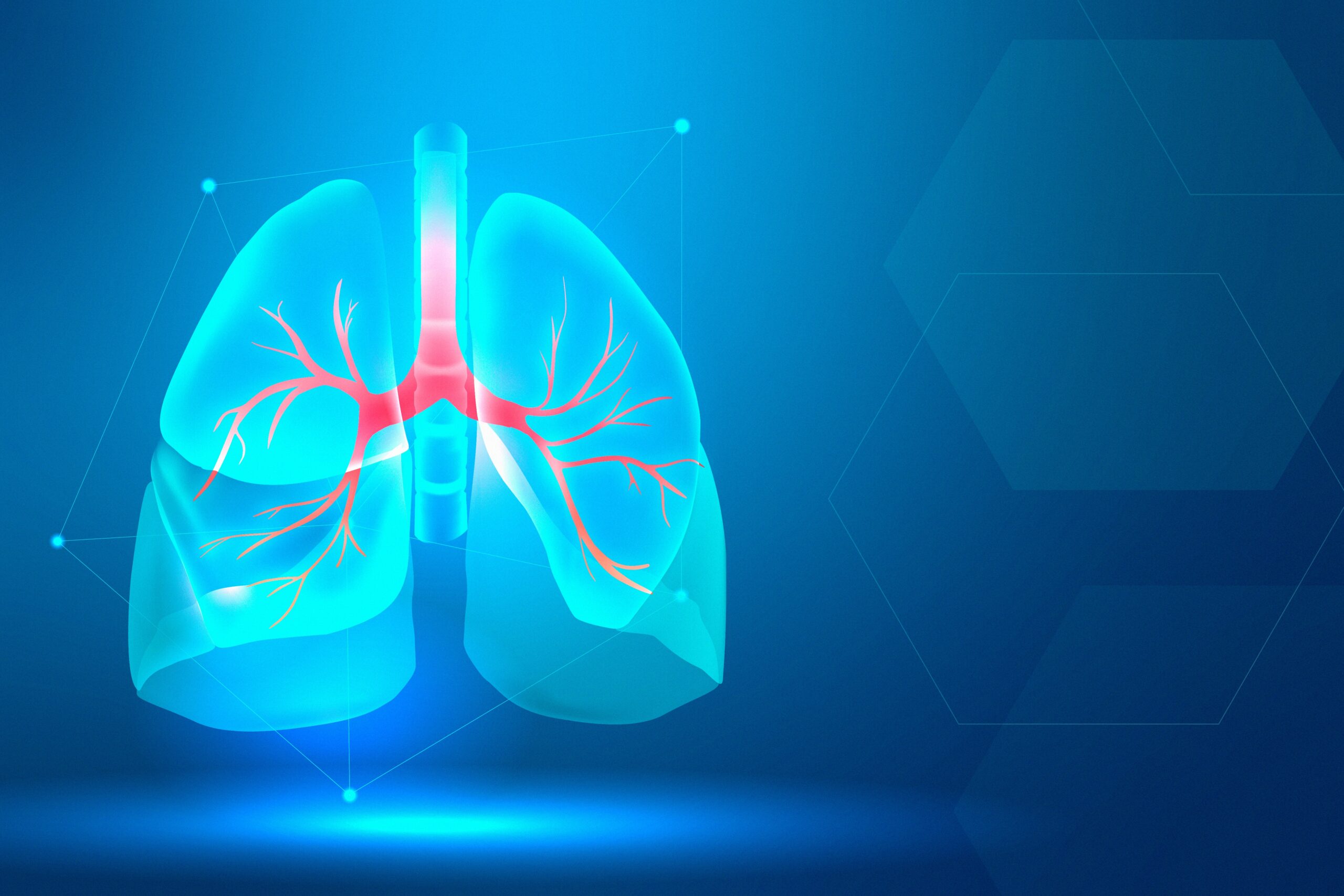
What Does “Weak Lung Strength” Really Mean?
Weak lung strength does not always mean lung disease. In many cases, it refers to:
- Reduced lung expansion
- Inefficient breathing patterns
- Weak respiratory muscles
- Poor oxygen utilization
Because of this, even normal oxygen levels may still feel “not enough” during activity.
Common Signs Your Lungs Need Strengthening
You may benefit from lung-strengthening practices if you experience:
- Breathlessness with mild activity
- Fatigue despite normal oxygen levels
- Chest tightness without pain
- Frequent sighing or shallow breathing
- Reduced stamina during exercise
Notably, these symptoms are common after recovery from illness or long sedentary periods.
Why Lung Strength Declines in Modern Life
1. Prolonged Inactivity
When movement reduces, respiratory muscles weaken. Consequently, breathing becomes shallow and less efficient.
2. Chronic Stress
Stress alters breathing rhythm, encouraging rapid, chest-based breathing. Over time, this reduces lung efficiency.
3. Poor Posture and Screen Use
Collapsed posture restricts chest movement, preventing full lung expansion.
4. Environmental Factors
Air pollution and indoor air quality can irritate airways and reduce breathing comfort, even without disease.
How to Strengthen Lungs Naturally
1. Practice Bhastrika Pranayama
Bhastrika Pranayama actively strengthens the lungs by improving chest expansion, diaphragm movement, and oxygen utilization.
Regular practice helps rebuild respiratory strength after illness or inactivity.
2. Correct Shallow Breathing Patterns
Many people unknowingly breathe only into the upper chest.
Reversing Shallow Breathing Syndrome is essential for restoring lung strength.
3. Gradual Physical Activity
Walking, yoga, and light aerobic movement gently challenge the lungs, improving stamina without strain.
Consistency matters more than intensity.
4. Improve Posture Throughout the Day
An upright posture allows the lungs to expand fully. Simple posture awareness can immediately improve breathing comfort.
5. Support Lungs Through Diet
Warm, freshly prepared foods support Agni and reduce Kapha accumulation.
Ayurveda recommends:
- Warm water
- Light, easily digestible meals
- Avoiding excess cold and heavy foods
6. Protect Lungs from Environmental Stress
Reducing exposure to pollutants and improving indoor air quality helps prevent further lung irritation.
How Long Does It Take to Strengthen Lungs Naturally?
Most people notice:
- Improved breathing comfort within 2–3 weeks
- Better stamina within 4–6 weeks
- Reduced breath awareness with consistent practice
Recovery depends on regularity, not quick fixes.
When to Seek Medical Advice
Consult a healthcare professional if you experience:
- Persistent or worsening breathlessness
- Chest pain
- Cough with blood
- Known heart or lung disease
Natural methods work best when serious conditions are ruled out.
Can Lung Strength Be Fully Restored?
Yes. In most cases, lung weakness caused by inactivity, stress, or poor breathing habits is reversible.
By combining pranayama, movement, posture correction, and supportive lifestyle changes, the lungs can regain strength and resilience over time.
Medical Disclaimer
This article is for educational purposes only and does not replace professional medical advice. Always consult a qualified healthcare provider before starting new breathing or exercise practices, especially after illness.

Hello!!
I’m Dr. Malini Bhat MD (Ayu); an Ayurvedic Doctor and a health blogger. Follow me on social media to get daily health tips which you can easily adapt to a healthy lifestyle.