Living in a polluted city has become a daily reality for millions of people. Even if you avoid traffic, exercise regularly, and eat well, polluted air can still affect your breathing over time. As a result, many urban residents experience chest heaviness, breathlessness, fatigue, or frequent throat irritation.
Importantly, lung damage does not always happen suddenly. Instead, pollution affects the lungs slowly and silently. Fortunately, with conscious daily habits, it is possible to protect your lungs naturally—even while living in polluted environments.
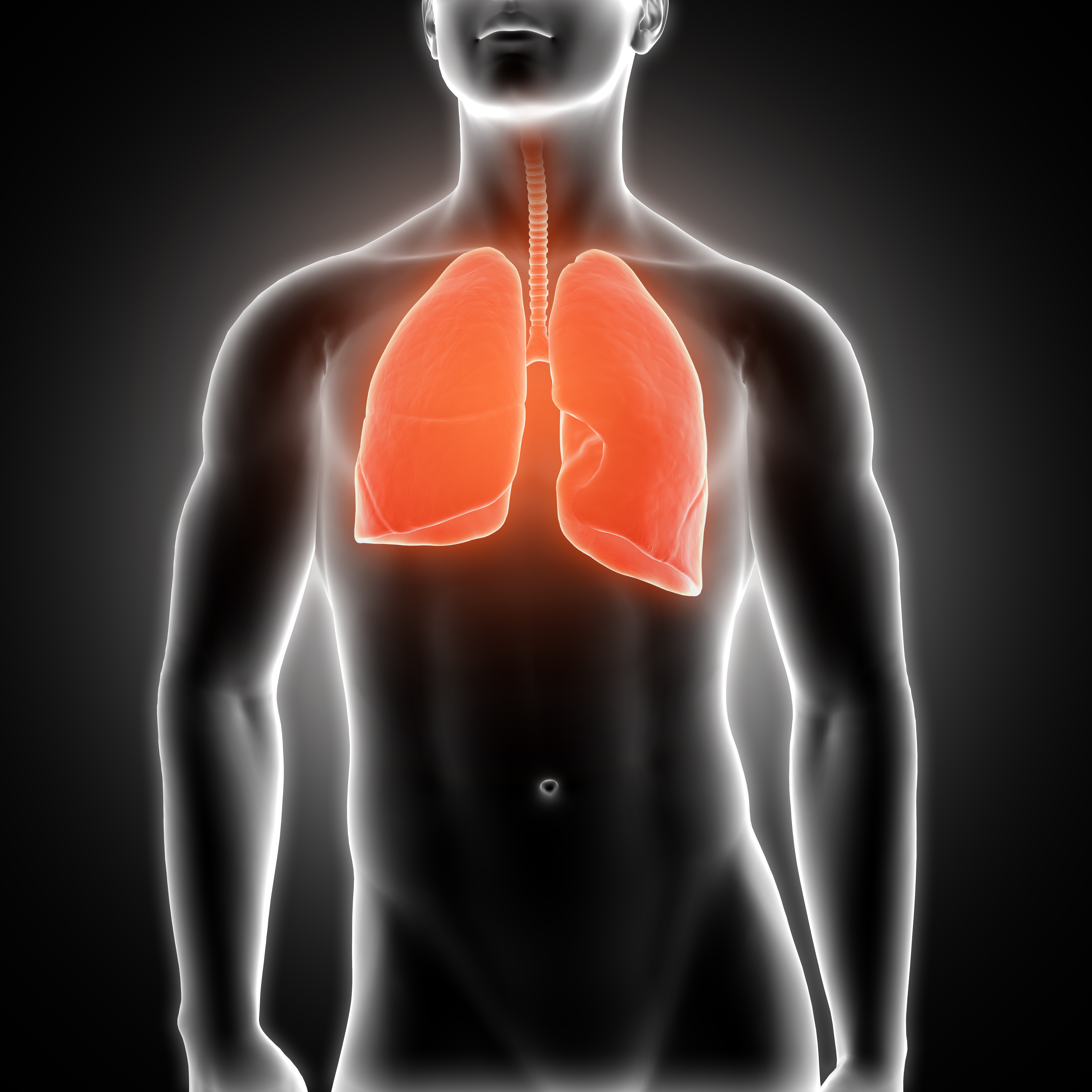
How Pollution Affects the Lungs Over Time
Air pollution contains fine particles that enter deep into the lungs. Because of their size, these particles bypass natural defenses and settle in lung tissue.
Over time:
- Lung elasticity reduces
- Oxygen exchange becomes less efficient
- Airways remain mildly inflamed
- Breathing feels restricted during activity
Consequently, even people with “normal” medical reports may feel their breathing is not optimal.
Common Symptoms Seen in City Dwellers
If you are living in a polluted city, you may notice:
- Breathlessness while climbing stairs
- Chest tightness without pain
- Frequent throat clearing
- Fatigue despite adequate sleep
- Reduced exercise stamina
Notably, these symptoms often worsen during high pollution days.
Why Pollution-Related Breathing Issues Are Often Missed
Many pollution-related breathing issues are functional, not structural. Therefore, scans and oxygen levels may appear normal.
However:
- Breathing patterns change
- Respiratory muscles weaken
- Oxygen utilization reduces
As a result, symptoms persist without a clear diagnosis.
Ayurvedic View of Pollution and Lung Health
According to Ayurveda, polluted air aggravates Kapha and Vata in the Pranavaha Srotas.
- Kapha imbalance causes heaviness and congestion
- Vata imbalance leads to irregular, shallow breathing
- Over time, Prana flow becomes obstructed
Thus, protecting lungs naturally involves clearing Kapha and stabilizing Vata.
Daily Habits to Protect Lungs While Living in a Polluted City
1. Practice Bhastrika Pranayama
Bhastrika Pranayama helps expel stagnant air from the lungs. Additionally, it improves chest expansion and circulation.
2. Avoid Shallow Breathing Throughout the Day
Pollution exposure often leads to unconscious breath-holding. Therefore, correcting shallow breathing is essential.
3. Time Your Outdoor Activities Wisely
Early mornings usually have lower pollution levels. Hence, walking or exercising during this time reduces lung strain.
4. Improve Indoor Air Quality
Since indoor air can be more polluted than outdoor air, ventilation is crucial. Moreover, keeping plants and dust-free spaces supports lung health.
5. Support Lungs Through Diet
Warm, light meals reduce mucus accumulation. Similarly, warm water helps flush inhaled toxins.
Ayurveda recommends:
- Warm herbal teas
- Avoiding cold, processed foods
- Using spices like ginger and turmeric
6. Maintain Upright Posture During Work
Poor posture restricts lung expansion. In contrast, upright sitting allows full chest movement and better oxygen intake.
Can Pollution Permanently Damage the Lungs?
Not always. In many cases, early functional changes are reversible. Therefore, consistent lung-protective habits can prevent long-term damage.
However, prolonged exposure without protection may increase risk over time.
When to Be Extra Careful
Seek medical evaluation if you experience:
- Persistent breathlessness
- Chronic cough
- Chest pain
- Wheezing
Especially if symptoms worsen during pollution spikes.
Final Thoughts
Living in a polluted city does not mean you are powerless. On the contrary, small daily habits can significantly reduce lung stress. By combining breathing practices, posture awareness, and supportive diet, your lungs can remain resilient even in challenging environments.
Medical Disclaimer
This article is for educational purposes only and does not replace professional medical advice. Always consult a qualified healthcare provider if symptoms persist.

Hello!!
I’m Dr. Malini Bhat MD (Ayu); an Ayurvedic Doctor and a health blogger. Follow me on social media to get daily health tips which you can easily adapt to a healthy lifestyle.