Menopause is a natural stage of life that marks the end of a woman’s reproductive years. Although every woman experiences menopause differently, many face physical and emotional challenges that can affect their daily lives. Fortunately, the right menopause support can make this transition smoother and more manageable.
Understanding menopause and knowing how to manage its symptoms can empower women to maintain their health, confidence, and quality of life.
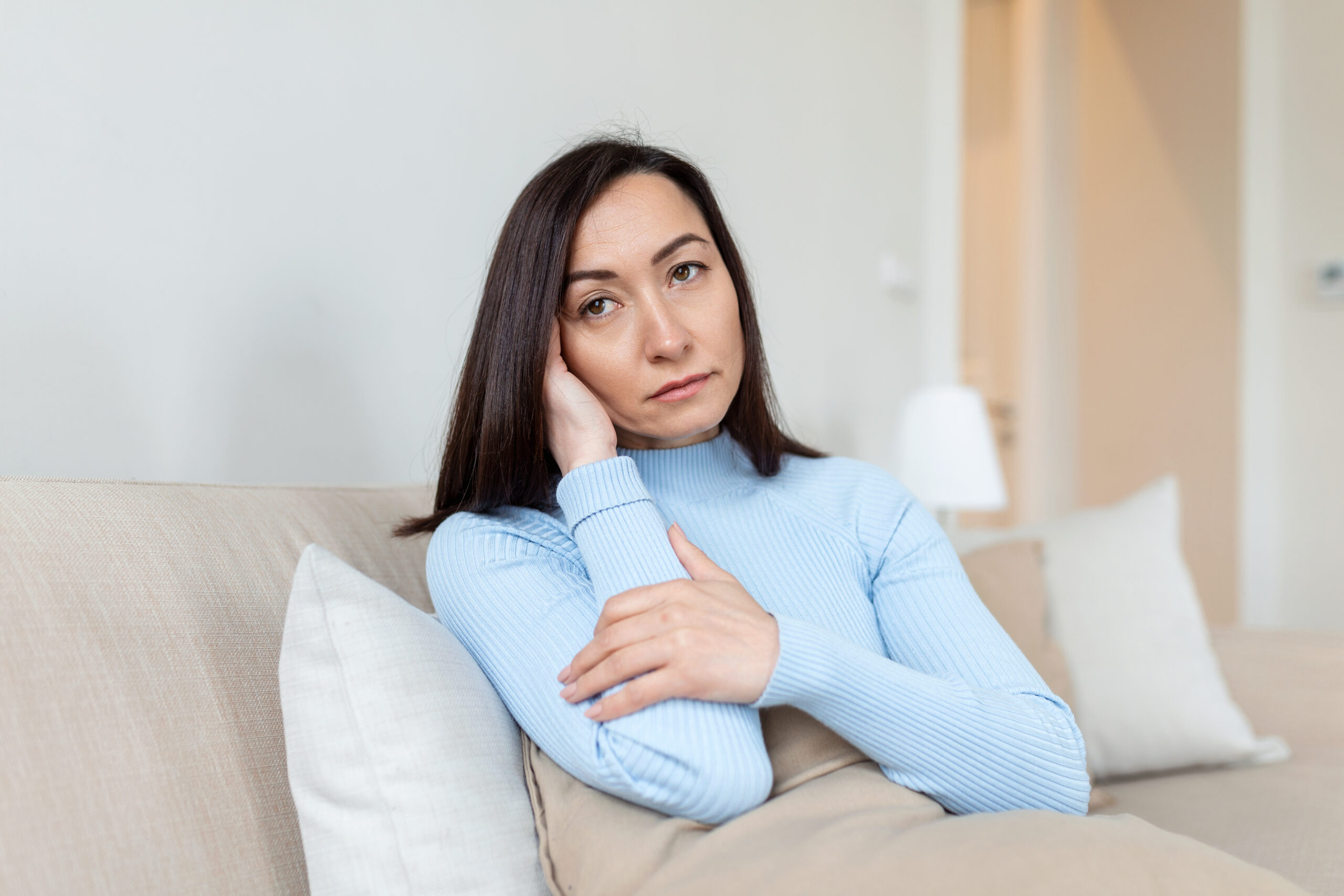
What Is Menopause?
Menopause occurs when a woman has not had a menstrual period for 12 consecutive months. Typically, it happens between the ages of 45 and 55, although some women experience it earlier or later.
The transition into menopause, known as perimenopause, can last several years. During this time, hormone levels—particularly estrogen and progesterone—begin to fluctuate. As a result, women may experience a variety of symptoms.
Common Symptoms of Menopause
Menopause symptoms vary from person to person. However, some of the most common signs include:
- Hot flashes and night sweats
- Mood swings and irritability
- Sleep disturbances
- Fatigue and low energy
- Weight gain
- Vaginal dryness
- Reduced libido
- Difficulty concentrating or memory issues
- Anxiety and depression
Because these symptoms can significantly affect daily life, seeking menopause support is essential.
Why Menopause Support Matters
Many women feel overwhelmed during menopause. However, proper support can improve both physical and emotional well-being.
Menopause support helps women:
- Understand hormonal changes
- Reduce uncomfortable symptoms
- Improve sleep quality
- Maintain mental health
- Strengthen relationships
- Protect long-term health, including bone and heart health
Furthermore, support can help women embrace this life stage with confidence rather than fear.
Lifestyle Changes That Provide Menopause Support
1. Eat a Balanced Diet
Nutrition plays a major role in managing menopause symptoms. Therefore, consuming nutrient-rich foods can improve energy levels and overall health.
Include:
- Fruits and vegetables
- Whole grains
- Lean proteins
- Calcium-rich foods
- Healthy fats such as nuts and avocados
Additionally, limiting caffeine, sugar, and processed foods may help reduce hot flashes and mood swings.
2. Stay Physically Active
Exercise is one of the most effective forms of menopause support. Regular physical activity can:
- Reduce stress
- Improve sleep
- Support weight management
- Strengthen bones
- Enhance mood
Walking, swimming, yoga, and strength training are excellent options for menopausal women.
3. Prioritize Sleep
Hormonal changes often disrupt sleep patterns. Consequently, many women experience fatigue and irritability.
To improve sleep:
- Maintain a regular bedtime routine.
- Keep the bedroom cool.
- Avoid screens before bed.
- Limit caffeine in the evening.
Better sleep contributes significantly to overall menopause support.
Emotional and Mental Health Support
Menopause does not only affect the body; it can also impact emotional well-being.
Manage Stress
Stress can worsen menopause symptoms. Therefore, practicing relaxation techniques may be beneficial.
Consider:
- Meditation
- Deep breathing exercises
- Journaling
- Mindfulness practices
Build a Support Network
Talking with friends, family members, or support groups can make menopause feel less isolating. Moreover, sharing experiences with other women often provides reassurance and practical advice.
Seek Professional Help
If symptoms of anxiety or depression become severe, speaking with a healthcare professional is important. Mental health support is an essential part of comprehensive menopause support.
Medical Treatments for Menopause Support
For some women, lifestyle changes alone may not be enough. In these cases, medical treatment can provide relief.
Hormone Replacement Therapy (HRT)
Hormone Replacement Therapy can reduce symptoms such as:
- Hot flashes
- Night sweats
- Vaginal dryness
However, HRT may not be suitable for everyone. Therefore, it is important to discuss benefits and risks with a healthcare provider.
Non-Hormonal Medications
Certain medications can also help manage symptoms, especially mood changes and hot flashes.
Additionally, vaginal moisturizers and lubricants may improve comfort and intimacy.
Natural Remedies for Menopause Support
Many women prefer natural approaches to managing menopause symptoms.
Some popular options include:
- Black cohosh supplements
- Soy products containing phytoestrogens
- Herbal teas
- Acupuncture
Nevertheless, it is advisable to consult a healthcare professional before trying new supplements because some may interact with medications.
Long-Term Health During Menopause
Menopause can increase the risk of certain health conditions, including osteoporosis and heart disease. Therefore, preventive care becomes increasingly important.
Women should:
- Get regular health screenings
- Monitor blood pressure and cholesterol
- Maintain a healthy weight
- Consume enough calcium and vitamin D
- Avoid smoking
- Limit alcohol intake
By taking proactive steps, women can enjoy healthy aging and greater well-being.
Embracing Menopause With Confidence
Although menopause can bring challenges, it is also a time of growth and self-discovery. With the right menopause support, women can navigate this transition successfully and continue leading vibrant, fulfilling lives.
Remember that every woman’s experience is unique. Therefore, finding a combination of lifestyle changes, emotional support, and medical guidance that works best for individual needs is essential.
Final Thoughts
Menopause is a natural life transition, not a condition to fear. Proper menopause support can ease symptoms, improve emotional health, and protect long-term wellness. By focusing on healthy habits, seeking professional advice when needed, and building a strong support system, women can confidently embrace this new chapter of life.

Hello!!
I’m Dr. Malini Bhat MD (Ayu); an Ayurvedic Doctor and a health blogger. Follow me on social media to get daily health tips which you can easily adapt to a healthy lifestyle.