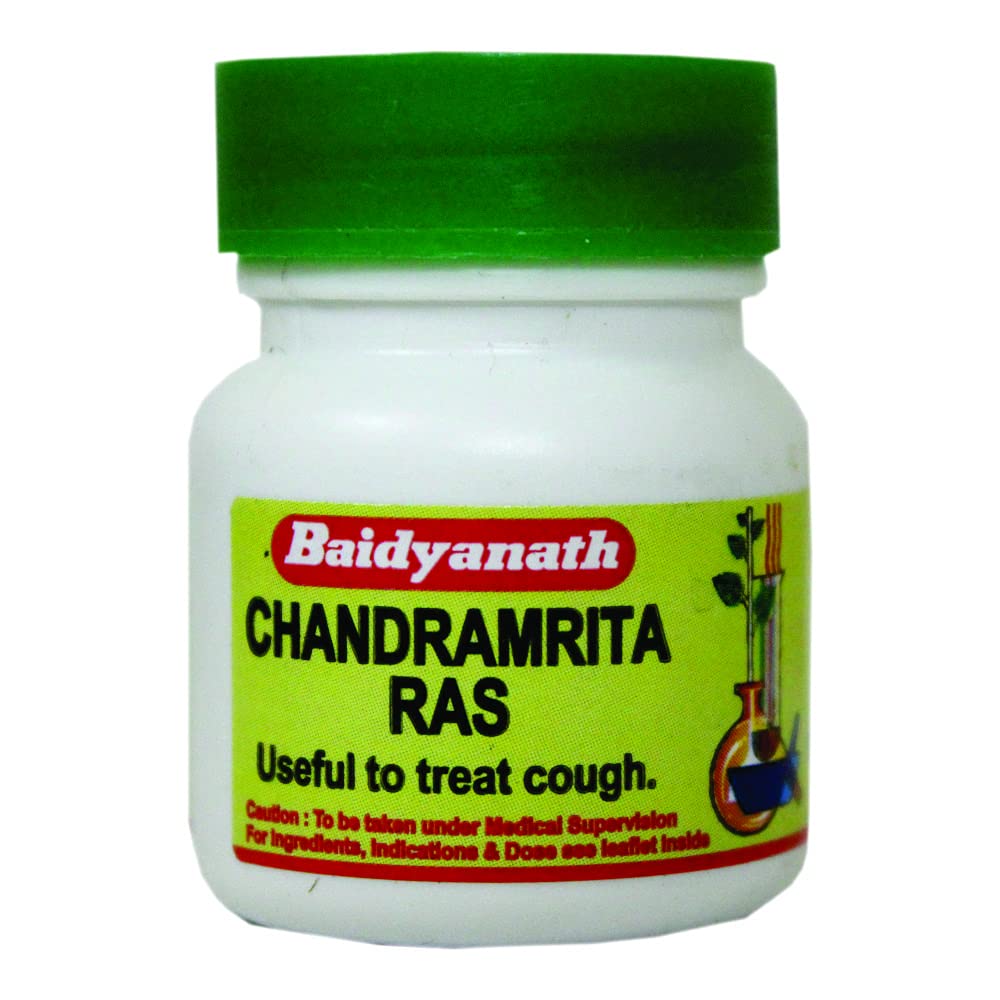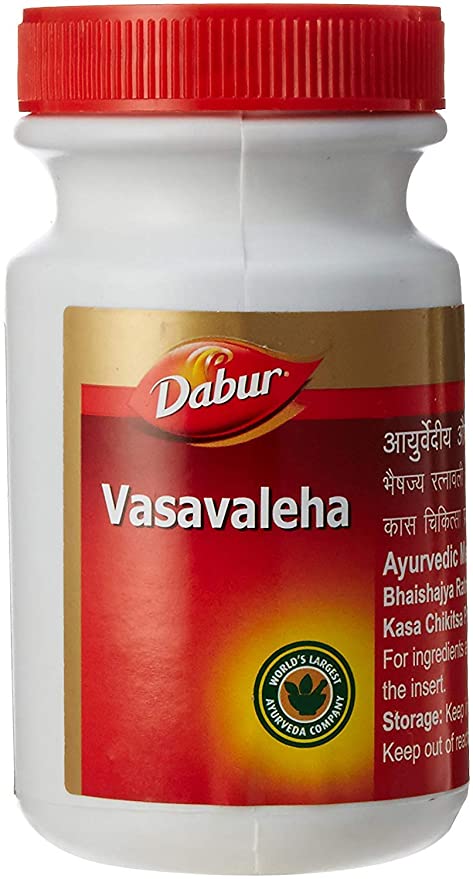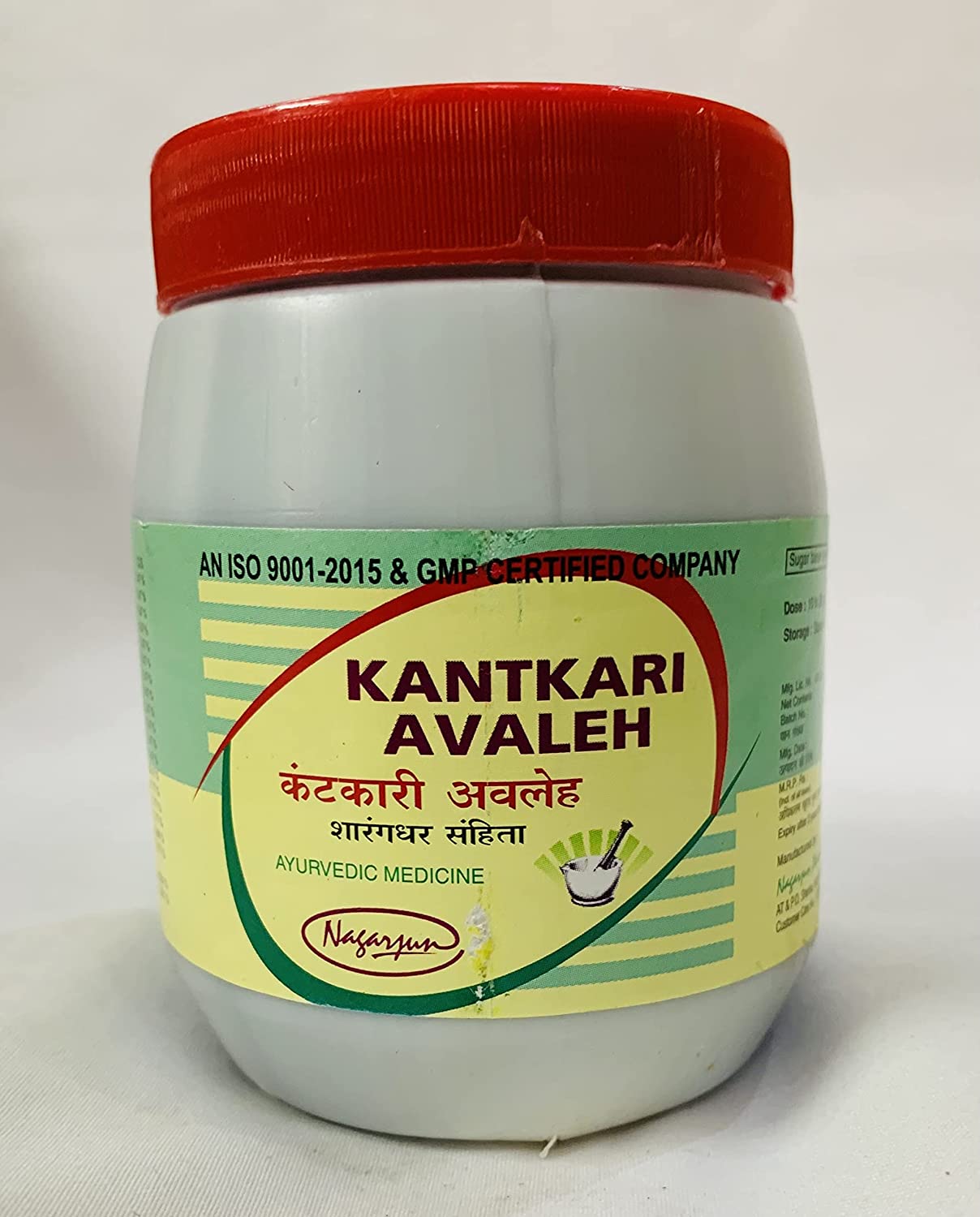

The holistic science of Ayurveda offers a rich array of traditional formulations that not only help prevent seasonal infections but also strengthen the immune system. Among these time-tested remedies, Lavangadi Vati stands out as a potent formulation widely used for relieving persistent cough, sore throat, congestion, and allergic respiratory issues.
Primarily, Lavangadi Vati works by soothing irritated throat tissues. In addition, it helps dilute thick mucus lodged in the lungs, thereby making it easier to expel. As a result, breathing becomes more comfortable and airway congestion gradually reduces. Furthermore, this formulation eases throat pain and helps prevent the formation of pus in the lungs during respiratory infections.
Because of its herbal composition, Lavangadi Vati acts as a demulcent, anti-inflammatory, and expectorant. Therefore, it not only calms inflammation but also supports the natural clearance of respiratory passages.

Hello!!
I’m Dr. Malini Bhat MD (Ayu); an Ayurvedic Doctor and a health blogger. Follow me on social media to get daily health tips which you can easily adapt to a healthy lifestyle.