Unlike black pepper, Pippali is gentler yet deeply penetrating. Therefore, it is suitable for long-term therapeutic use when administered correctly. Moreover, classical Ayurvedic texts such as Charaka Samhita and Ashtanga Hridaya praise Pippali for its ability to balance Vata and Kapha doshas, while mildly increasing Pitta when overused.Pippali, botanically known as Piper longum (Long Pepper), is one of the most revered herbs in Ayurveda. In Ayurveda, it is classified as a powerful Deepana (digestive fire stimulant) and Rasayana (rejuvenative). As a result, Pippali plays a vital role in managing respiratory disorders, weak digestion, and chronic metabolic imbalances.
Unlike black pepper, Pippali is gentler yet deeply penetrating. Therefore, it is suitable for long-term therapeutic use when administered correctly. Moreover, classical Ayurvedic texts such as Charaka Samhita and Ashtanga Hridaya praise Pippali for its ability to balance Vata and Kapha doshas, while mildly increasing Pitta when overused.
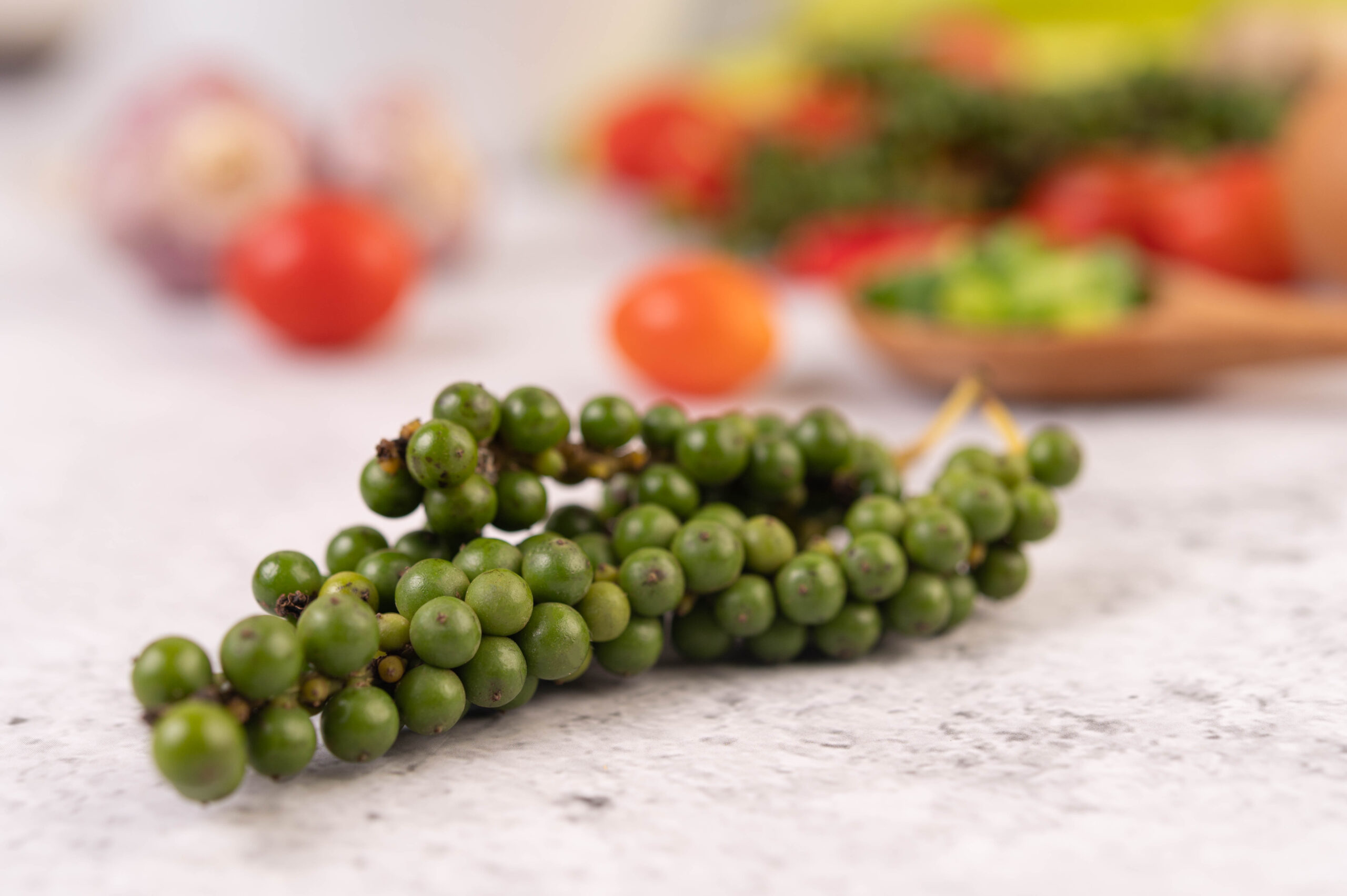
Ayurvedic Properties of Pippali
To understand the wide-ranging Pippali benefits in Ayurveda, it is important to look at its pharmacological attributes.
- Rasa (Taste): Katu (Pungent)
- Guna (Qualities): Laghu (Light), Snigdha (Unctuous)
- Virya (Potency): Ushna (Hot)
- Vipaka (Post-digestive effect): Madhura (Sweet)
- Prabhava (Special action): Rasayana (Rejuvenative)
Interestingly, despite its pungent taste, Pippali has a sweet post-digestive effect. Because of this, it nourishes bodily tissues rather than depleting them, which is uncommon among heating herbs.
Key Pippali Benefits in Ayurveda
1. Improves Digestion and Agni
One of the most important Pippali benefits in Ayurveda is its ability to kindle Jatharagni (digestive fire). In turn, it helps the body digest food more efficiently.
Specifically, Pippali helps to:
- Reduce Ama (toxic metabolic waste)
- Improve appetite
- Relieve bloating and heaviness
- Support nutrient absorption
Pippali is especially useful in chronic indigestion where digestion is weak but the body feels cold and sluggish.
2. Powerful Remedy for Respiratory Disorders
Pippali is a cornerstone herb for Pranavaha Srotas (respiratory channels). It is widely used in:
- Chronic cough (Kasa)
- Asthma (Tamaka Shwasa)
- Bronchitis
- Allergic rhinitis
It works by liquefying excess Kapha, clearing mucus, and strengthening lung tissue over time.
3. Enhances Lung Capacity and Oxygenation
Ayurveda recognizes Pippali as a lung tonic. Regular, supervised use helps:
- Improve breathing endurance
- Reduce breathlessness
- Strengthen alveolar function
This makes it particularly beneficial for individuals exposed to pollution or recurrent respiratory infections.
4. Acts as a Natural Immunity Booster
Due to its Rasayana nature, Pippali enhances Ojas, the essence of immunity. It helps the body:
- Fight recurrent infections
- Recover faster from illness
- Maintain long-term vitality
Unlike quick stimulants, Pippali builds immunity gradually and sustainably.
5. Supports Metabolism and Weight Balance
Pippali improves Dhatvagni (tissue metabolism), making it useful in:
- Slow metabolism
- Kapha-related weight gain
- Insulin resistance patterns
It is often included in Ayurvedic formulations for metabolic correction rather than crash weight loss.
6. Benefits for Liver and Detoxification
Pippali stimulates liver enzymes and improves bile flow. As a result, it supports:
- Fat metabolism
- Natural detox pathways
- Reduction of fatty liver tendencies (Kapha-dominant)
7. Improves Bioavailability of Other Herbs
A unique benefit of Pippali is its Yogavahi action—it enhances the absorption and effectiveness of other herbs. This is why it is a key ingredient in many classical formulations.
How to Use Pippali (Dosage & Anupana)
General Dosage:
- Powder: 250–500 mg once or twice daily
Best Anupana (Vehicle):
- Honey (for Kapha disorders)
- Warm water
- Ghee (for Vata conditions)
⚠️ Always consult an Ayurvedic practitioner for personalized dosage.
Who Should Avoid Pippali?
Although beneficial, Pippali is not for everyone. Avoid or use cautiously if you have:
- High Pitta conditions
- Acid reflux or gastritis
- Active ulcers
- Pregnancy (unless prescribed)
Overuse may cause burning sensation, acidity, or heat-related symptoms.
Modern Research Perspective
Modern studies support Pippali’s:
- Anti-inflammatory properties
- Immunomodulatory effects
- Bioavailability-enhancing action (piperine)
These findings align closely with its traditional Ayurvedic uses.
Conclusion
Pippali benefits in Ayurveda extend far beyond digestion. From strengthening the lungs and immunity to enhancing metabolism and herb absorption, this humble spice is a therapeutic powerhouse. When used correctly and in moderation, Pippali acts as both a healer and a rejuvenator—true to its Rasayana reputation.
Medical Disclaimer
This article is for educational purposes only and does not substitute professional medical advice. Always consult a qualified Ayurvedic physician before starting any herbal remedy, especially if you are pregnant, nursing, or managing a medical condition.

Hello!!
I’m Dr. Malini Bhat MD (Ayu); an Ayurvedic Doctor and a health blogger. Follow me on social media to get daily health tips which you can easily adapt to a healthy lifestyle.