Strong lungs are the foundation of good health. Whether you’re dealing with breathlessness, frequent respiratory infections, or simply want to improve lung capacity, Bhastrika Pranayama is one of the most powerful yogic breathing techniques to support respiratory strength naturally.
Known as the “Bellows Breath”, Bhastrika energizes the lungs, improves oxygen exchange, and strengthens the entire respiratory system when practiced correctly and consistently.
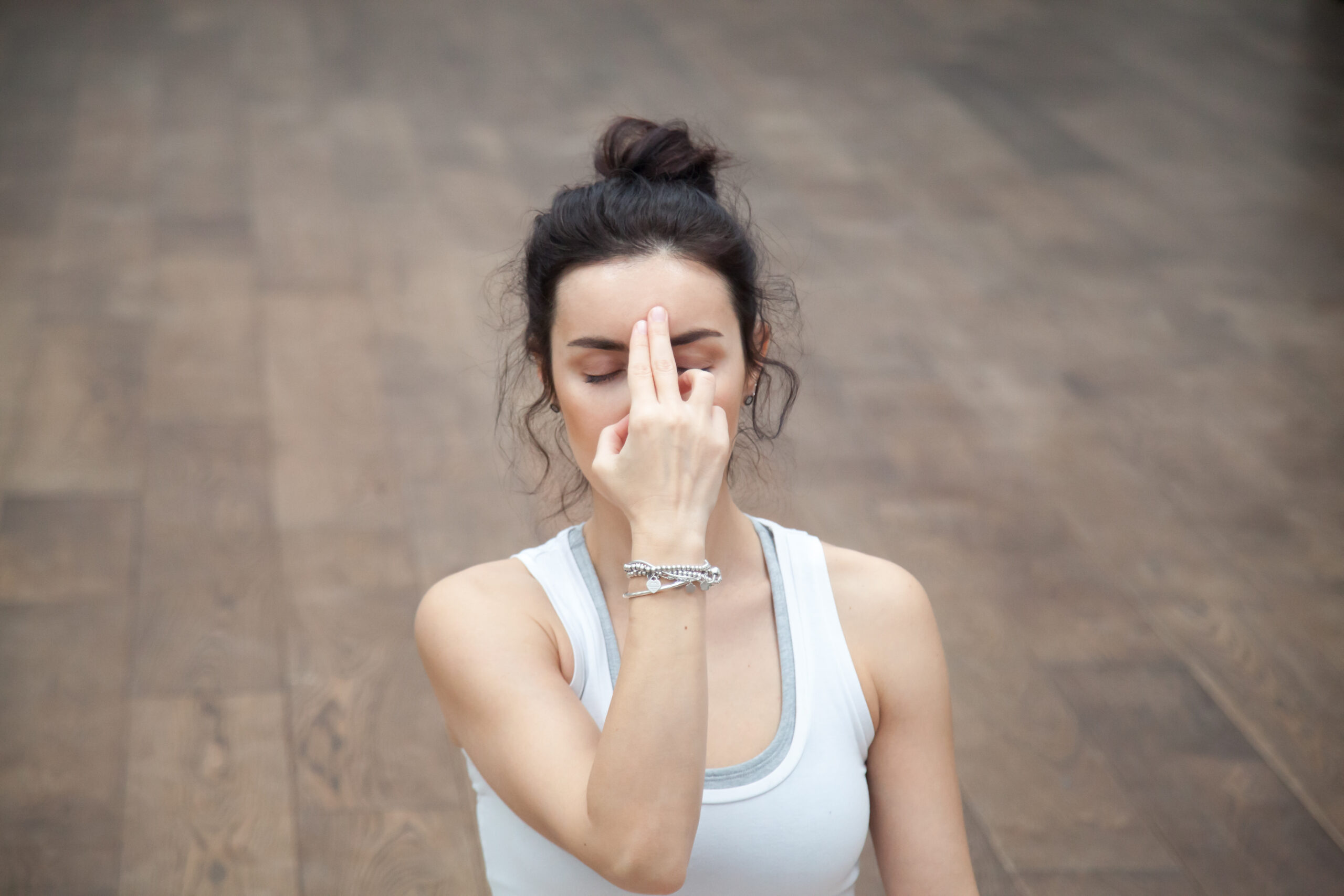
What Is Bhastrika Pranayama?
Bhastrika Pranayama is a dynamic breathing technique where forceful inhalation and forceful exhalation are performed rhythmically using the diaphragm and abdominal muscles.
Unlike slow pranayama practices, Bhastrika actively stimulates the lungs and chest muscles. As a result, it increases airflow, clears respiratory passages, and boosts oxygen delivery throughout the body.
In Ayurveda, Bhastrika is especially useful for balancing Kapha dosha, which is often responsible for congestion, mucus accumulation, and sluggish lung function.
How Bhastrika Pranayama Improves Respiratory Strength
1. Enhances Lung Capacity
By repeatedly expanding and contracting the lungs, Bhastrika strengthens lung tissues and improves their elasticity. Over time, this helps increase total lung capacity and breath control.
2. Clears Airways and Reduces Congestion
The forceful breathing action helps loosen mucus trapped in the airways. Therefore, Bhastrika is beneficial for people prone to cough, sinus congestion, or chest heaviness.
3. Improves Oxygen Exchange
With deeper and more powerful breaths, oxygen absorption improves. Consequently, this supports better stamina, mental clarity, and overall vitality.
4. Strengthens Respiratory Muscles
Bhastrika activates the diaphragm, intercostal muscles, and abdominal muscles. As a result, breathing becomes stronger and more efficient even during physical exertion.
Step-by-Step Method to Practice Bhastrika Pranayama
Follow these steps carefully to practice Bhastrika safely:
- Sit comfortably in Padmasana, Sukhasana, or Vajrasana with the spine straight
- Relax the shoulders and place hands on the knees
- Inhale deeply and forcefully through both nostrils
- Exhale forcefully through both nostrils, contracting the abdomen
- Continue this rapid breathing rhythmically for 10–20 breaths
- After one round, breathe normally and rest
- Perform 2–3 rounds depending on comfort
💡 Tip: The chest and abdomen should move, but the face and shoulders should remain relaxed.
Ayurvedic Perspective on Bhastrika Pranayama
According to Ayurveda, respiratory weakness often arises due to Kapha accumulation in the Pranavaha Srotas (respiratory channels). Bhastrika generates internal heat (Ushna Guna), which helps liquefy and eliminate excess Kapha.
Additionally, Bhastrika strengthens Agni (digestive fire). Since poor digestion can contribute to toxin (Ama) buildup affecting the lungs, this pranayama indirectly supports respiratory health as well.
For enhanced benefits, Ayurveda often recommends practicing Bhastrika along with:
- Warm water in the morning
- Kapha-pacifying herbs like Tulsi or Pippali (under guidance)
Who Can Benefit from Bhastrika Pranayama?
Bhastrika Pranayama for respiratory strength is beneficial for:
- People with low lung capacity
- Those recovering from frequent colds or cough
- Individuals experiencing breathlessness on exertion
- People living in polluted environments
- Anyone looking to improve stamina and oxygen levels
Precautions and Contraindications
While Bhastrika is highly effective, it should be practiced with care.
Avoid or consult a qualified yoga practitioner if you have:
- Uncontrolled high blood pressure
- Heart disease
- Hernia or recent surgery
- Severe asthma during active attacks
- Pregnancy
Always start slowly and increase intensity gradually
Best Time to Practice Bhastrika Pranayama
The ideal time to practice is early morning on an empty stomach. However, it can also be practiced in the evening, provided there is a gap of at least 4 hours after meals.
Consistency is key. Practicing daily for even 5–10 minutes can show noticeable improvement in respiratory strength over time.
Medical Disclaimer
This article is for educational purposes only and does not substitute professional medical advice. Always consult your physician or a qualified yoga therapist before starting any pranayama practice, especially if you have existing medical conditions.

Hello!!
I’m Dr. Malini Bhat MD (Ayu); an Ayurvedic Doctor and a health blogger. Follow me on social media to get daily health tips which you can easily adapt to a healthy lifestyle.