Dill is an aromatic herb that deserves a place among forgotten Ayurvedic kitchen herbs. The Dill Ayurvedic benefitsdescribed in traditional practices relate mainly to its use in food preparations that support digestion and everyday comfort. Although many people now know dill primarily as a culinary herb, traditional Indian households have also valued dill leaves and seeds for their distinctive aroma and warming qualities.
In India, dill is often known as Suva or Shepu, depending on the region and local language. Both the leaves and seeds can add flavour to meals. Moreover, traditional food practices often use aromatic herbs and spices not only for taste but also to support comfortable digestion.
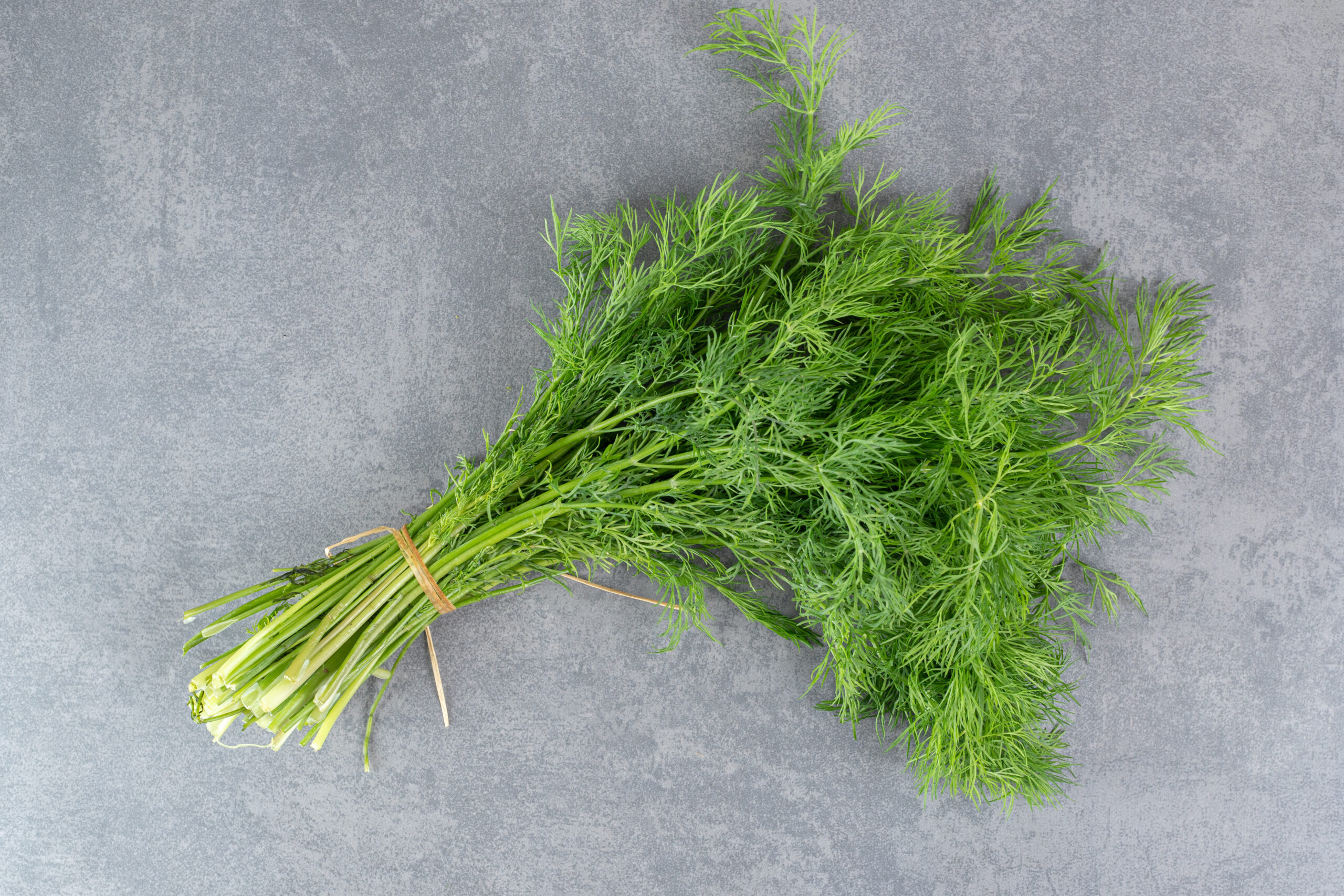
Dill Ayurvedic Benefits and Traditional Qualities
According to Ayurvedic principles, the qualities of a food or herb can influence how it interacts with the body’s natural balance. Dill has traditionally been appreciated for its aromatic and digestive properties.
Dill may traditionally support:
- Comfortable digestion
- Healthy appetite
- Relief from occasional digestive heaviness
- A balanced feeling after meals
- Aromatic and flavourful cooking
- General digestive comfort
Furthermore, dill’s distinctive aroma makes it a useful addition to simple meals that might otherwise feel bland or heavy.
Dill and Digestive Comfort in Ayurveda
One of the most commonly discussed Dill Ayurvedic benefits involves digestion. Ayurveda places great importance on Agni, the principle associated with digestion and transformation.
When digestion feels sluggish, meals may sometimes leave a person feeling heavy or uncomfortable. Therefore, traditional cooking often includes aromatic herbs and spices to make food more enjoyable and easier to digest.
Dill leaves can be added to vegetables, lentils, soups, and other home-cooked dishes. Meanwhile, dill seeds can provide a stronger flavour and are often used in spice mixtures or traditional preparations.
However, Ayurveda considers the individual’s constitution, digestive strength, and overall dietary pattern. Therefore, the same herb may not suit every person in exactly the same way.
Dill and the Ayurvedic View of Vata
Ayurveda describes Vata as the dosha associated with movement, dryness, and irregularity. When Vata becomes aggravated, Ayurvedic theory may associate it with symptoms such as irregular digestion and bloating.
Warm, freshly prepared meals with aromatic herbs may help create a more grounding eating experience. Consequently, dill can fit naturally into traditional cooking styles that emphasise warm and flavourful foods.
Nevertheless, Ayurveda always looks at the whole person. A person’s constitution, season, age, digestive capacity, and existing health concerns can all influence dietary choices.
How to Use Dill in Everyday Cooking
Fortunately, adding dill to your diet can be simple. Fresh dill leaves have a delicate aroma and can complement many Indian and international dishes.
You can try dill in:
1. Lentil Dishes
Add chopped dill leaves to dal towards the end of cooking. This can give the dish a fresh aroma and a distinctive flavour.
2. Vegetable Preparations
Dill pairs well with potatoes, carrots, leafy vegetables, and other seasonal produce. Therefore, it can easily become part of everyday home cooking.
3. Soups and Broths
Fresh dill can add aroma to light soups and vegetable broths. Add it near the end of cooking to preserve its flavour.
4. Traditional Indian Preparations
In several regional cuisines, dill leaves feature in vegetable dishes, dals, flatbread preparations, and other home-style recipes. Thus, this humble herb continues to connect modern kitchens with older food traditions.
5. Dill Seeds in Cooking
Dill seeds have a stronger and more concentrated flavour. They can be used sparingly in spice blends, pickles, and other savoury preparations.
Why We Should Rediscover Traditional Kitchen Herbs
Modern kitchens often depend on a limited range of herbs and seasonings. However, traditional food cultures developed a rich knowledge of local leaves, seeds, spices, and aromatic plants.
Rediscovering herbs such as dill can encourage greater variety in everyday meals. In addition, cooking with traditional ingredients can help us reconnect with seasonal and regional food practices.
The value of these herbs does not always lie in dramatic health claims. Instead, their importance may come from their ability to add flavour, variety, and traditional wisdom to a balanced diet.
A Simple Ayurvedic-Inspired Approach to Using Dill
Ayurveda encourages mindful eating and paying attention to how food makes you feel. Therefore, you can begin with small amounts of fresh dill in familiar dishes.
For example, add chopped dill to warm dal or lightly cooked vegetables. Then, observe how the flavour and meal suit you.
Additionally, choose fresh, good-quality ingredients and prepare meals according to your individual preferences and digestive comfort.
Final Thoughts on Dill Ayurvedic Benefits
Dill may be a familiar culinary herb, yet its traditional role deserves greater attention. The Dill Ayurvedic benefitsdiscussed in traditional food practices highlight its connection with aromatic cooking and digestive comfort.
Moreover, rediscovering dill reminds us that wellness traditions often begin in the kitchen. Simple herbs, fresh ingredients, and mindful cooking can all contribute to a more varied and enjoyable diet.
So, the next time you see fresh dill leaves or dill seeds, consider adding this often-overlooked herb to your meals. Its flavour, aroma, and traditional place in Indian kitchens make dill a worthy addition to the story of forgotten Ayurvedic kitchen herbs.
Disclaimer
This article is intended for general educational and informational purposes only. Traditional Ayurvedic uses of dill are based on historical and cultural practices and should not be considered a substitute for medical advice, diagnosis, or treatment. Dill is not intended to cure, treat, or prevent any disease. If you are pregnant, breastfeeding, taking medication, or managing a medical condition, consult a qualified healthcare professional before making significant changes to your diet or using herbs for therapeutic purposes.

Hello!!
I’m Dr. Malini Bhat MD (Ayu); an Ayurvedic Doctor and a health blogger. Follow me on social media to get daily health tips which you can easily adapt to a healthy lifestyle.