Hemorrhoids, known as Arshas in Ayurveda, are swollen and painful veins in the anal region. In modern medicine, they are described as a varicose condition of the hemorrhoidal veins, which leads to swelling, discomfort, and sometimes bleeding around the anus. Although this condition is common, it can interfere with daily life if ignored.
In Ayurveda, Arshas develops mainly due to weak digestion (Agni), Vata imbalance, and unhealthy bowel habits. Therefore, Ayurvedic treatment does not focus only on symptom relief but also addresses the root cause.
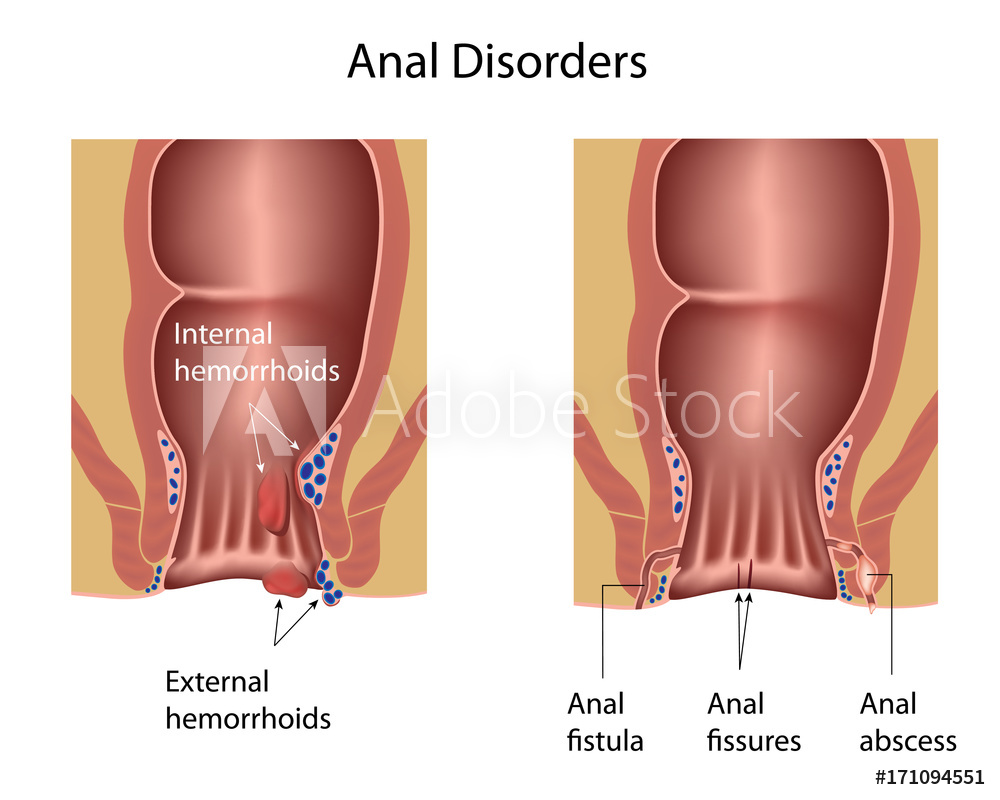
Types of Hemorrhoids
Hemorrhoids are mainly classified based on their location:
1. Internal Hemorrhoids
These form above the recto-anal junction, inside the rectum. Initially, pain may not be noticeable; however, bleeding during bowel movements is common. As the condition progresses, the pile mass may protrude and sometimes needs to be pushed back.
2. External Hemorrhoids
In contrast, external hemorrhoids develop below the recto-anal junction, around the anal opening. Because of their location, they are more likely to cause pain, swelling, and irritation.
The Cause of Hemorrhoids —
Hemorrhoids usually occur due to increased pressure in the rectal veins. Several contributing factors are involved.
- Chronic constipation, which forces a person to strain during bowel movements
- Pregnancy, due to increased abdominal pressure
- Pushing excessively during stools
- Lifting heavy weights, which increases pressure inside the abdomen
- Obesity, as extra body weight strains pelvic veins
- A low-fiber diet, which leads to hard stools and difficulty passing them
- Portal vein pressure, which can also contribute to hemorrhoidal swelling
Thus, lifestyle and diet play a major role in the development of Arshas.
Common Symptoms of Hemorrhoids
The symptoms vary depending on the type and stage. However, commonly seen signs include:
- Bleeding after bowel evacuation, which is often bright red
- Pain or discomfort, especially while sitting
- Swelling around the anus
- Itching in the anal region (pruritus ani), particularly if hygiene is poor
- A feeling of something coming out of the anus, which may need to be pushed back
Common Symptoms of Hemorrhoids
The symptoms vary depending on the type and stage. However, commonly seen signs include:
- Bleeding after bowel evacuation, which is often bright red
- Pain or discomfort, especially while sitting
- Swelling around the anus
- Itching in the anal region (pruritus ani), particularly if hygiene is poor
- A feeling of something coming out of the anus, which may need to be pushed back
If a clot forms inside the hemorrhoid, it may take 4–6 weeks to resolve, although pain may be intense initially.
General Management
Before starting medicines, certain simple measures are very helpful.
Sitz Bath
A warm sitz bath helps reduce pain, swelling, and irritation. Moreover, it improves blood circulation in the anal region and promotes healing.
Diet and Lifestyle
- Equally important, patients should:
- Practice mild exercise or walking
- Increase fiber intake (vegetables, fruits, whole grains)
- Drink plenty of warm water
- Avoid straining during stools
- Avoid sitting for long periods
- Practice mild exercise or walking
Ayurvedic Classification and Treatment
In Ayurveda, Arshas is broadly classified into:
- Aardra Arshas (Bleeding piles)
- Shushka Arshas (Non-bleeding piles)
Treatment differs depending on the type.
Aardra Arshas (Bleeding Hemorrhoids)
In this type, bleeding is a major symptom. Therefore, treatment focuses on stopping bleeding, purifying blood, and healing tissues.
Treatment Principles
- Shodhanam (purification therapies)
- Shamanam (pacifying treatment)
- Rakta Sthambanam (stopping bleeding)
- Rakta Arshas Chikitsa
- Adhogata Rakta Pitta Chikitsa
Commonly Used Kashayams (Decoctions)
For purification (Shodhanam)
- Patola Katurohinyaadi Kashayam
Shamanam:
- Mahatiktakam Kashayam
- Tiktakam Kashayam
- Trayantyadi Kashayam
- Chandana Ushiradi Kashayam
- Mrdvikadi Kashayam
- Drakshadi Kashayam
For Sthambanam (Bleeding control):
- Pushyanuga Sita Kashayam
- Kutajadi Kashayam
- Thugakshiri Kanji (highly useful)
Other Medicines
- Churna (Powders): Dadimashtaka, Kapithashtaka, Pushyanuga, Shaddharanam
- Gulika/Tablets: Kaishora Guggulu, Ashtakshari Gulika, Laksha Gulika
- Lehyam: Agasthya Rasayanam, Sukumara Lehyam, Dashamula Haritaki Lehyam
- Ghritam: Mahatiktaka Ghrita, Vasa Ghrita
If Bleeding is Excessive
- Naga Bhasma
- Sarja Rasa Churnam
Local Applications (Pichu)
- Murivenna Taila
- Shatadhoutha Ghrita
Shushka Arshas (Non-Bleeding Hemorrhoids)
Here, pain, dryness, and constipation are more prominent than bleeding.
Treatment Principles
Treatment aims to:
- Reduce Vata and Kapha
- Promote easy bowel movement
- Clear body channels (Srotoshodhanam)
- Support Vatanulomana (downward movement of Vata)
Kashayams
- Chirabilvadi Kashayam
- Dushparshakaadi Kashayam
- Gandharvahastadi Kashayam
Churnas
- Vaishvanara Churna
- Trivrit Churna
- Triphala Churna
- Avipathi Churna
- Yogaraja Churna
Gulika/Tablets
- Kaishora Guggulu
- Kankayana Vati
- Bhallataka Vati
Asavam / Arishtam
- Putikaranjasavam
- Dantyarishtam
- Duralabharishtam
- Sukumara Arishtam
Special Note: When constipation is present without acidity, 25 ml of Abhayarishtam twice daily is especially effective.
Lehyam
- Sukumara Lehyam
- Manibhadra Gudam
- Dashamula Haritaki Lehyam
- Vanasurana Lehyam
Ghritam
- Sukumara Ghritam
- Palandava Ghritam
- Varanadi Ghritam
- Guggulutikta Ghritam
Rasa Oushadhas
- Aarogyavardhini Vati
When to See a Doctor
Although Ayurveda offers effective treatment, persistent bleeding, severe pain, or sudden changes in bowel habits should never be ignored. These symptoms may resemble other serious conditions; therefore, proper diagnosis is important.
Conclusion
Hemorrhoids (Arshas) are not just a local problem; instead, they reflect digestive imbalance, poor diet, and faulty bowel habits. Therefore, Ayurvedic treatment combines internal medicines, diet correction, and lifestyle changes for long-term relief. With timely care, both bleeding and non-bleeding piles can be managed effectively and safely.
Reference: Principles & Practice of Ayurvedic Clinical Medicine – Dr. L. Mahadevan

Hello!!
I’m Dr. Malini Bhat MD (Ayu); an Ayurvedic Doctor and a health blogger. Follow me on social media to get daily health tips which you can easily adapt to a healthy lifestyle.