Anxiety has become one of the most common mental health concerns worldwide. Whether it stems from work pressure, financial worries, family responsibilities, or constant digital overload, many people are looking for natural ways to feel calmer. As a result, herbal drinks for anxiety have gained significant popularity. But do they actually help, or are they simply another wellness trend?
In this article, we’ll explore the science behind herbal drinks, the most effective herbs for reducing anxiety, their potential benefits and risks, and how to include them in your daily routine.
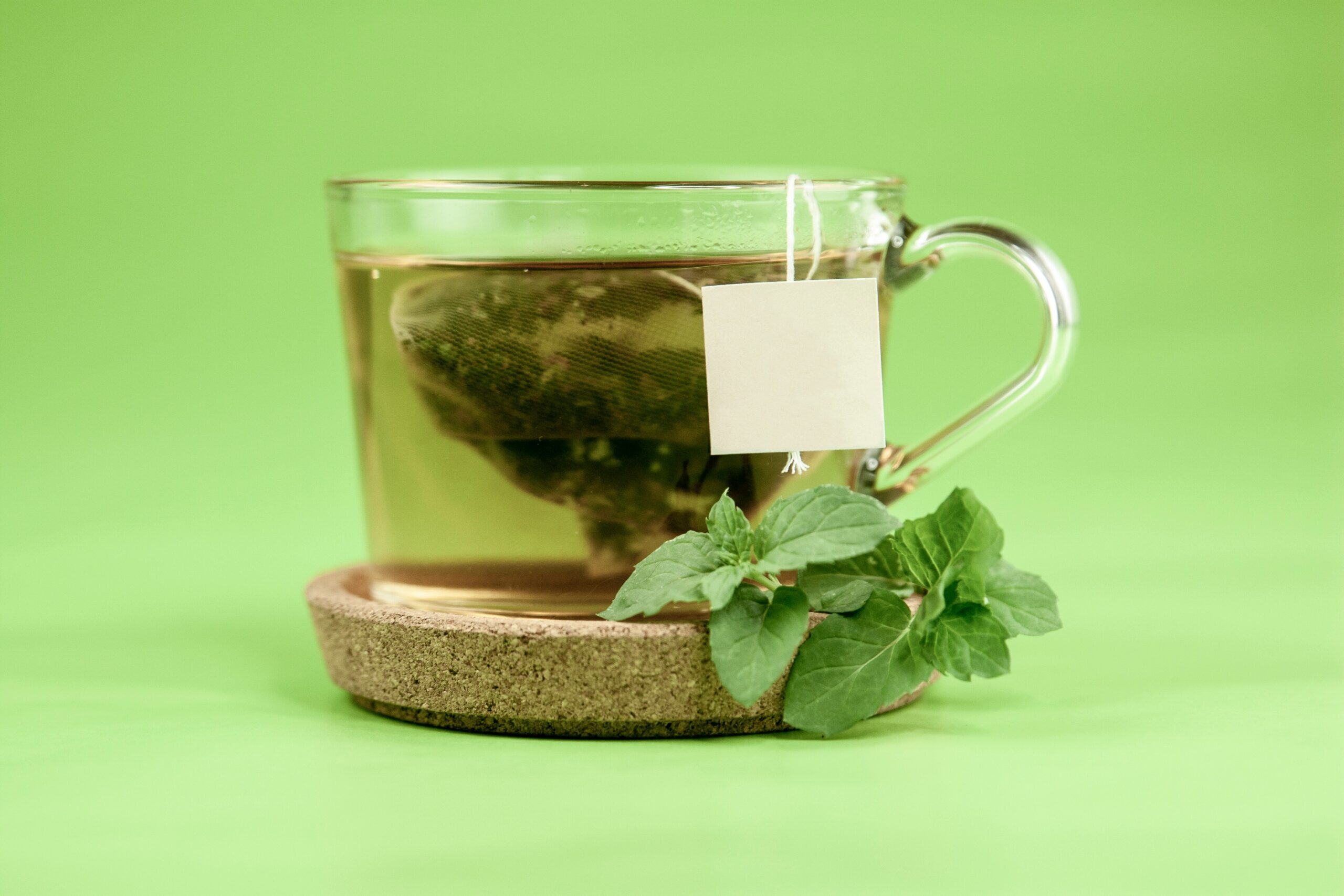
What Are Herbal Drinks for Anxiety?
Herbal drinks are beverages made from plants, flowers, roots, seeds, or leaves that have traditionally been used to support health and relaxation. Unlike regular tea made from Camellia sinensis, many herbal drinks are naturally caffeine-free, making them a popular choice for those seeking calmness.
Some herbs contain natural compounds that may promote relaxation, reduce stress, and improve sleep quality. However, they are not a replacement for professional medical treatment, especially for moderate or severe anxiety disorders.
Do Herbal Drinks Really Help?
The answer is yes—but with realistic expectations.
Research suggests that certain herbs may help reduce mild anxiety symptoms, encourage relaxation, and improve sleep. However, the effects are usually gentle rather than dramatic. Furthermore, individual responses vary depending on factors such as overall health, lifestyle, dosage, and consistency.
In other words, herbal drinks work best as part of a healthy lifestyle rather than as a standalone solution.
Best Herbal Drinks for Anxiety
1. Chamomile Tea
Chamomile is perhaps the most popular herbal drink for relaxation.
It contains antioxidants known as apigenin, which may interact with brain receptors that encourage calmness. Additionally, chamomile may improve sleep quality, making it especially beneficial for individuals whose anxiety worsens at night.
Benefits:
- Encourages relaxation
- Supports better sleep
- May reduce mild anxiety symptoms
- Naturally caffeine-free
2. Lemon Balm Tea
Lemon balm belongs to the mint family and has been used for centuries to reduce nervousness and stress.
Studies suggest that lemon balm may help improve mood, decrease anxiety, and enhance cognitive performance during stressful situations.
Benefits:
- Promotes relaxation
- Helps reduce stress
- May improve focus
- Pleasant citrus flavor
3. Lavender Tea
Lavender is widely recognized for its calming aroma. However, drinking lavender tea may also contribute to relaxation.
Some studies indicate that lavender can help decrease anxiety levels while improving sleep quality.
Benefits:
- Supports emotional balance
- Helps reduce restlessness
- Encourages deeper sleep
4. Ashwagandha Tea
Ashwagandha is considered an adaptogenic herb, meaning it may help the body respond more effectively to stress.
Research suggests that regular use may lower cortisol—the body’s primary stress hormone—which can contribute to reduced anxiety over time.
Benefits:
- Supports stress management
- May reduce cortisol levels
- Improves overall resilience
5. Passionflower Tea
Passionflower has traditionally been used to calm nervousness and improve sleep.
Some evidence indicates it may increase levels of gamma-aminobutyric acid (GABA), a brain chemical that promotes relaxation.
Benefits:
- Helps reduce nervous tension
- Supports restful sleep
- May encourage mental calmness
6. Peppermint Tea
Although peppermint does not directly treat anxiety, its refreshing aroma and soothing properties may help reduce tension and mental fatigue.
Additionally, it can ease digestive discomfort that often accompanies stress.
Benefits:
- Refreshes the mind
- Supports digestion
- Helps relieve physical tension
How Herbal Drinks May Reduce Anxiety
Although different herbs work in different ways, many provide calming effects by:
- Supporting healthy neurotransmitter activity
- Reducing stress hormone levels
- Encouraging better sleep
- Promoting relaxation through natural plant compounds
- Helping establish calming daily routines
Moreover, the simple act of preparing and slowly drinking a warm herbal beverage can itself become a mindful ritual that encourages relaxation.
Are Herbal Drinks Safe?
Generally, herbal drinks are considered safe for most healthy adults when consumed in moderation. Nevertheless, they are not completely risk-free.
Certain herbs may interact with medications, including:
- Blood thinners
- Antidepressants
- Sedatives
- Blood pressure medications
- Diabetes medications
Additionally, some herbs are not recommended during pregnancy or breastfeeding.
Therefore, it’s always wise to consult a healthcare professional before regularly using herbal remedies, particularly if you have an existing medical condition.
Tips for Getting the Best Results
If you’d like to try herbal drinks for anxiety, consider these practical tips:
- Drink them consistently rather than expecting instant results.
- Choose caffeine-free varieties, especially in the evening.
- Pair herbal tea with meditation or deep breathing.
- Maintain a healthy sleep schedule.
- Exercise regularly.
- Limit excessive caffeine and alcohol intake.
- Stay hydrated throughout the day.
Furthermore, using herbal drinks as part of a broader self-care routine often produces better results than relying on them alone.
When Herbal Drinks Aren’t Enough
While herbal beverages may ease occasional stress, persistent anxiety should not be ignored.
You should seek professional support if anxiety:
- Lasts for several weeks or months
- Interferes with work or relationships
- Causes panic attacks
- Leads to severe sleep problems
- Results in feelings of hopelessness
Fortunately, effective treatments such as therapy, lifestyle changes, and medication are available when needed.
Frequently Asked Questions
What is the best herbal drink for anxiety?
Chamomile, lemon balm, lavender, and passionflower are among the most commonly recommended herbal drinks for mild anxiety and relaxation.
How quickly do herbal drinks work?
Some people feel calmer within 30 to 60 minutes. However, many herbs provide better results after consistent use over several weeks.
Can I drink herbal tea every day?
For most healthy adults, moderate daily consumption is considered safe. Nevertheless, it’s important to follow product instructions and consult your healthcare provider if you’re taking medications.
Do herbal drinks replace anxiety medication?
No. Herbal drinks should be viewed as complementary wellness tools rather than replacements for prescribed treatments or professional mental health care.
Final Thoughts
So, do herbal drinks for anxiety really help? The evidence suggests they can provide gentle support for relaxation, stress reduction, and improved sleep—particularly when combined with healthy lifestyle habits. Although they are unlikely to eliminate anxiety completely, they may become a valuable part of your daily wellness routine.
Ultimately, the best approach involves combining herbal drinks with good sleep, regular exercise, balanced nutrition, mindfulness, and professional guidance whenever necessary. By doing so, you’ll give both your mind and body the support they need to better manage everyday stress.

Hello!!
I’m Dr. Malini Bhat MD (Ayu); an Ayurvedic Doctor and a health blogger. Follow me on social media to get daily health tips which you can easily adapt to a healthy lifestyle.